
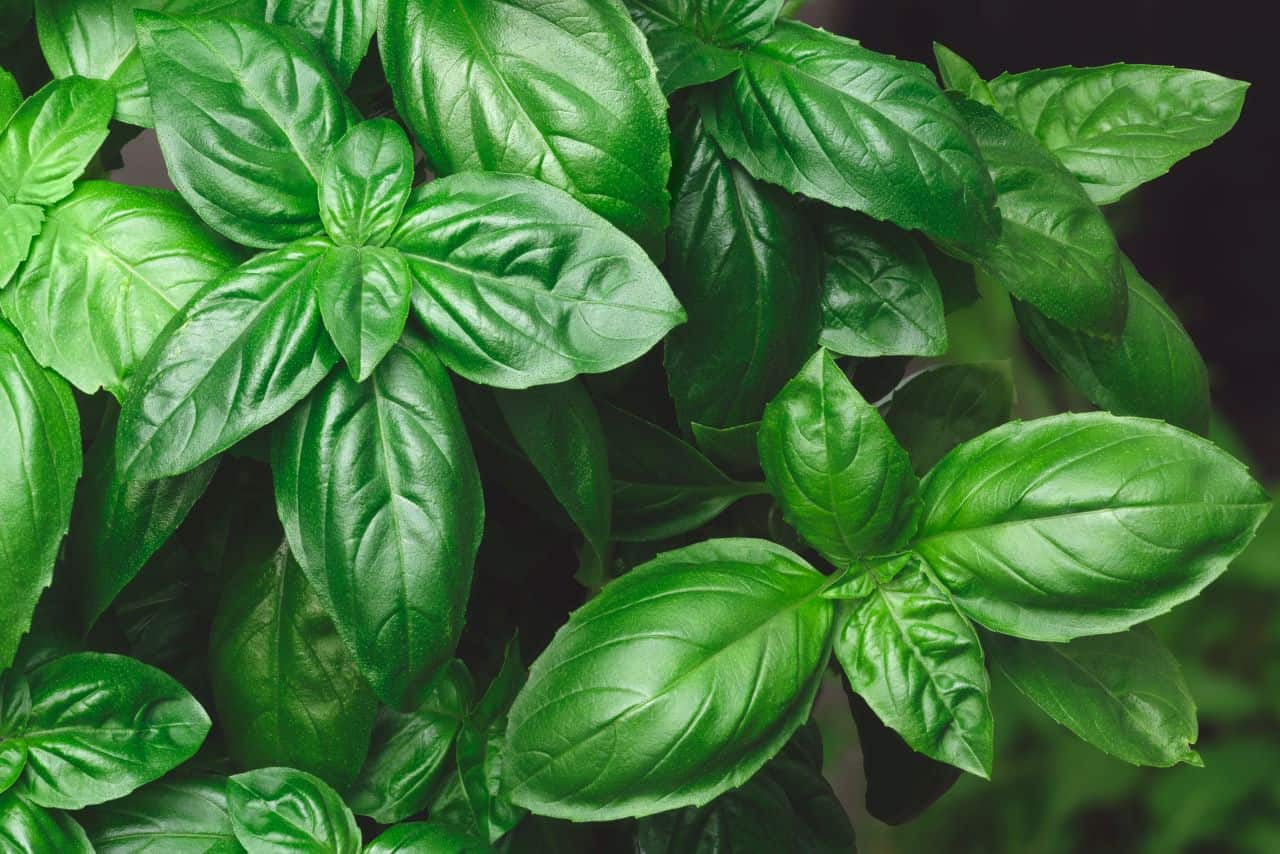
About Basil:
With its fragrant aroma and culinary versatility, sweet basil (Ocimum basilicum) is one of the most beloved plants for many home gardeners!
Basil is an incredibly versatile and flavorful herb that can be used in a wide variety of dishes. Growing your basil at home is not only easy but can also provide you with a steady supply of this delicious herb for your cooking needs.
Nutritional Benefits
Basil is rich in vitamins A, C, K, and B6 as well as minerals such as magnesium, calcium, and iron. Basil also provides beneficial plant compounds that possess antioxidant and anti-inflammatory properties which are essential for overall health. Basil leaves are a great source of dietary fiber which helps keep your digestive system healthy while aiding in weight loss efforts.
How to Plant Basil
If growing from seed, start with a good-quality Basil seed. Basil seeds should be obtained from a reputable seed source, as quality can vary from one seed company to another. The same goes for starter plants, select only the healthy-looking ones, and avoid sad-looking, long straggly plants.
Prepare your soil for planting Basil by making sure it is well-worked and free of weeds and rock. Basil prefers moist soil that has good drainage, so add some compost or peat moss to the soil if needed.
Basil is perfectly happy growing in containers or raised beds where good drainage is sometimes easier to achieve. To ensure optimal growth, the soil's pH should be slightly acidic to neutral - ideally between 6.0 and 7.5 on the scale.
Basil like the heat and will grow best in a location that gets plenty of sunshine, aim for 6 to 8 hours of full sun daily, though it can grow OK in partial sun, too.
Plant your seeds 2-3 inches apart, lightly covering them with 1/4 inch of soil. If you would like to plant your basil from starter plants, begin by digging a shallow hole at the recommended spaces below. Wet and gently loosen the roots of the starter and place them in the prepared area before watering generously.
When they start to sprout and have grown two or three pairs of true leaves, then thin out the seedlings so that you are left with one plant every 10-12 inches apart. For larger varieties though, increase this spacing to around 16-24 inches for optimal growth.
If growing in a pot select a pot at least 8 inches deep and wide. Basil is not deep-rooted but it needs room to spread its roots so pots deeper than 12 inches are even better.
Water the Basil plants regularly, making sure to not over-water them. Basil is a drought-tolerant plant, but it does need water to thrive.
As the Basil plants grow, you can start harvesting the leaves by snipping off the outside leaves and leaving the inner ones so that it will continue to produce new growth. Basil can be harvested repeatedly
When to Plant Basil
Don't be in a rush when it comes to basil. Without heat, this herb won't flourish!
For a head start on the growing season, begin sowing your seeds indoors six weeks before the last frost of spring.
To ensure optimal growth when transplanting outdoors, wait until the soil has warmed up to 70ºF (21°C) and nighttime temperatures remain above 50°F (10°C).
How to Grow Basil
Keep the soil evenly dampened, not soaking wet, yet not dry. Basil plants prefer to live in a moist environment without becoming waterlogged.
If your climate is hot, utilize mulch to keep the moisture in and suppress weeds around your plants. In the hot, arid summer months it is essential to give your plants a generous amount of water.
For optimal growth, use a 5-10-5 fertilizer sparingly throughout the season.
Once the seedlings have grown their first six leaves, clip them off at the second set. This will stimulate branching and encourage leaf production for harvesting later. Do this again when your plant has between 6-8 leaves on a branch before pinching off the center shoot after six weeks to prevent premature flowering - any flowers should be removed (unless toward the end of the season and you are planning on growing your seed)
If temperatures are expected to drop or frost is predicted, and you can't move your plants to avoid the frost make sure you harvest your basil beforehand as cold weather can damage (or kill) your plants.
Recommended Varieties
Popular varieties include sweet basil, Thai Basil, Genovese Basil, Lemon Basil, and Purple Basil.
Sweet Basil has a mild anise-like flavor that pairs well with tomato or eggplant dishes.
Thai Basil adds an exotic flavor to Asian cuisines such as stir fries or noodle dishes.
Genovese Basil (aka Italian Basil, my favorite) has a strong licorice flavor and is ideal for pesto sauces or Italian pasta dishes.
Lemon Basil offers a light citrusy taste perfect for fish recipes while
Purple Basil gives off intense aromas which pair nicely with salads or fruit desserts.
Cinnamon Basil,originally from Mexico, has an aroma reminiscent of cinnamon. Often served with legumes and spicy stir-fried veggies.
Each variety of basil offers something special to enhance your cooking experience!
How to Harvest Basil
Basil leaves can be harvested as soon as the plant is about 6 to 8 Inches (15 - 20cm) tall. It's best to pick the leaves at the peak of their flavor, which is when they are still young and tender, I find it best to pick early in the morning.
Once you start harvesting, it’s important to keep picking from your plants throughout the season. This will encourage them to produce more flavorful leaves and promote bushy growth rather than flowering. Even if you don't need the leaves pick them and store them, your plant will thank you for it.
When you need more than a few leaves of basil, simply snip off entire stems by cutting the plant from top to bottom with small scissors. Make sure your cut is about ¼-inch above each node (where the plant's side shoots and leaves emerge).
To ensure continued production of fresh new basil leaves in two to three weeks, avoid trimming off more than one-third of the total height at any given time.
If you pick regularly, six basil plants can produce 2 to 3 cups of leaves per week
Pests and Diseases
Fusarium wilt
Fusarium wilt is a nasty disease that predominantly attacks sweet basil varieties, although other types of basil are still at risk. Its symptoms include stunted growth, wilting leaves with yellowing edges, dark spots or streaks on the stem, and exceedingly twisted stems altogether leading to leaf fall.
This fungus-induced infection can be spread through infected soil or seeds from already contaminated plants; however, there is no known cure for fusarium wilt - the only option is to discard all affected plants immediately!
Bacterial Leaf Spot
The unwelcome basil disease is caused by Pseudomonas cichorii, a bacterium that produces dark-colored spots on the leaves and streaking of the stems. Infected soil particles can splash onto your basil plants, leading to bacterial leaf spots; unfortunately, there's no cure for it. However, you can ensure minimal damage by supplying sufficient air circulation and watering carefully so that contaminated soil is not splashed on the foliage.
Downy Mildew
Have you noticed yellow leaves on your basil plants, accompanied by a fuzzy grey growth along the undersides? If so, it's likely Downy Mildew is at work. This relatively new disease has only been present for a few years and loves wet conditions; therefore to combat it reduce overhead watering and ensure optimal air circulation as well as drainage for your Basil plants.
Other issues to watch out for include:
- Root rot,
- Nitrogen deficiency,
- Slugs, Caterpillars,
- Thrips & Aphids
Wrap Up
Basil is a fragrant and versatile herb used to enhance the flavor of many dishes. Knowing how to grow, harvest, and protect Basil from pests and diseases will ensure that you get the best out of your Basil plants - we hope our article helped!