


Small space permaculture turns balconies, patios, and small yards into productive systems that grow food, save water, and support local wildlife without needing more land.
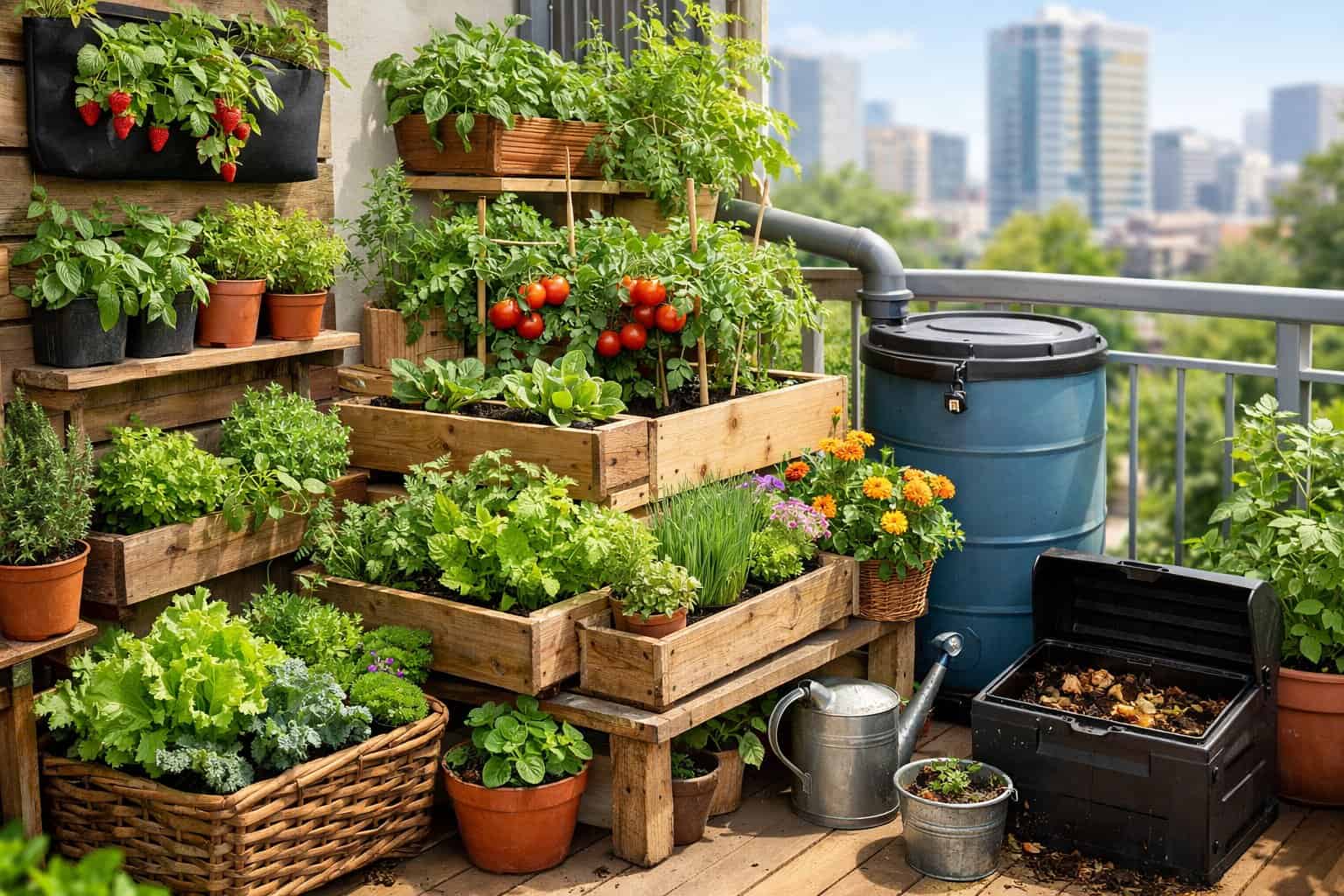
You look at a small balcony or tight yard and wonder if it can do more than hold a few pots. City noise hums, space feels limited, and gardening can seem out of reach. That feeling pulls many people toward simpler, smarter ways to grow.
Permaculture in small spaces means you design your space to work like a natural system, so even a few square feet can grow food, reuse resources, and support living soil. You stack plants, guide water where it matters, and let nature do part of the work. I remember the first time I tried this and forgot to plan sunlight, which taught me how much design matters.
That brings us to why small space permaculture works so well. You focus on what you use most, grow up instead of out, and mix plants that help each other. Once you see how much fits into a small area, the space starts to feel generous.
Key Takeaways
- Small spaces can support productive, living systems
- Smart design increases yield without extra work
- Simple choices support soil, water, and wildlife
Understanding Permaculture in Small Spaces
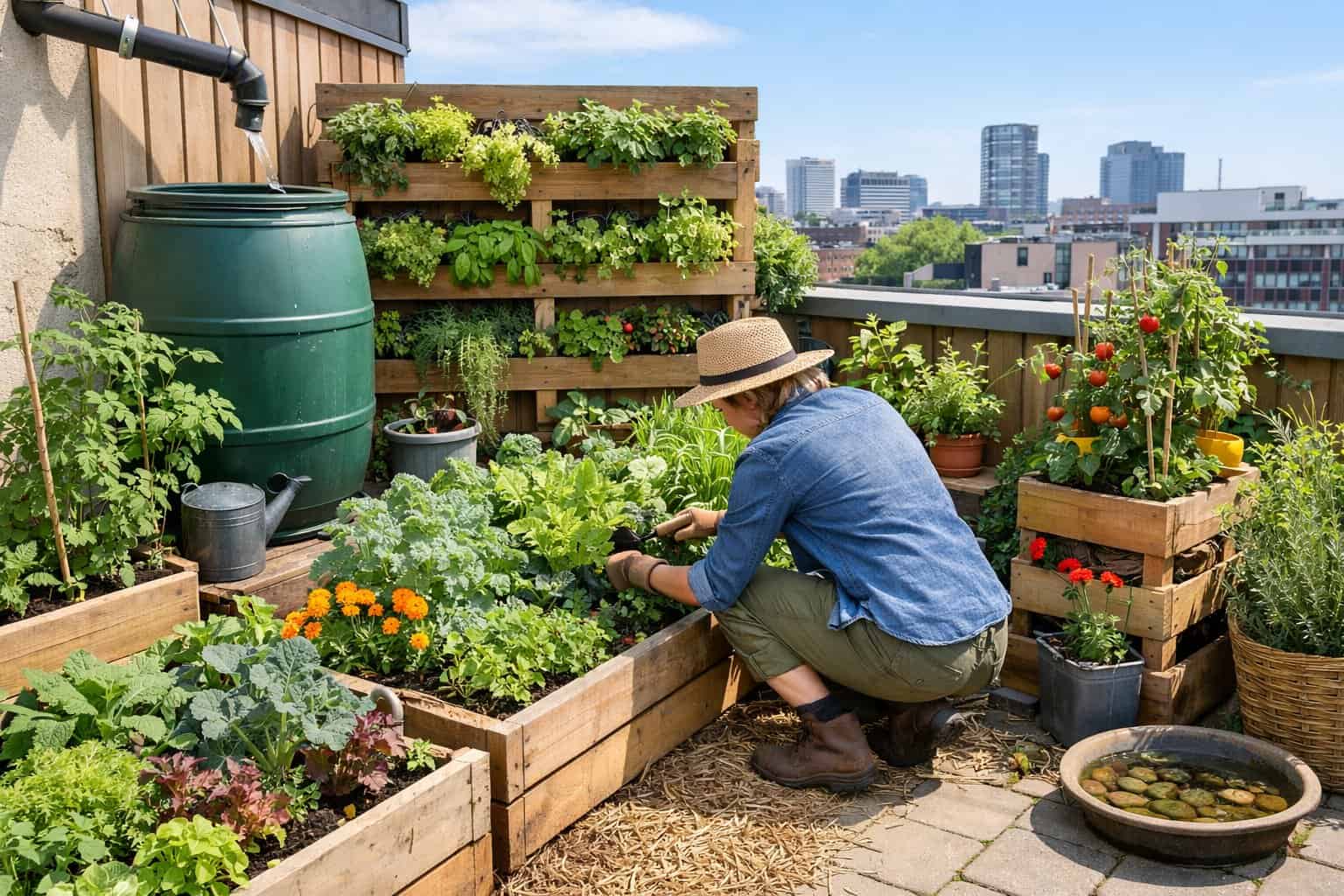
Permaculture in small spaces focuses on smart design, clear ethics, and daily choices that turn tight areas into productive systems. You work with limits like light, containers, and time to build a steady, eco-friendly garden that fits your life.
Defining Permaculture Principles
Permaculture principles guide how you plan and manage a small space permaculture setup. You start by observing sun, shade, wind, and water flow. If you’ve ever tried growing herbs on a balcony and watched half of them fail, you already know why this step matters.
You then design for efficiency. In urban permaculture, that often means vertical growing, stacked planting, and multi-use features. A trellis can support beans, shade greens, and cool a wall at the same time.
Design also favors feedback. When something works, you repeat it. When it fails, you adjust fast. [Personal anecdote placeholder: first time I planted tomatoes in deep shade and wondered why they never flowered.]
• Observe daily patterns before planting
• Use each element for more than one purpose
• Start small and change one thing at a time
Core Ethics: Earth Care, People Care, Fair Share
That brings us to the ethics behind permaculture design. Earth Care means protecting soil, water, and insects, even in a backyard permaculture setup. You avoid bare soil and reduce waste because damaged soil slows everything else.
People Care focuses on you and others using the space. Paths stay clear. Plants stay reachable. A self-sustaining garden only works if you enjoy tending it.
Fair Share sets limits. You take what you need and return the rest through compost, seed saving, or sharing harvests. A helpful beginner tip: leaving some plants unharvested supports pollinators and seed cycles without extra work.
Benefits of Permaculture Design in Tight Areas
Once you’ve got that down, the benefits show up fast. Small scale permaculture often needs less water because dense planting shades soil. Fewer inputs save money and time.
You also gain resilience. If one crop fails, another fills the gap. That matters in urban permaculture, where heat and wind can change fast.
Design clarity reduces daily effort. Instead of constant fixes, you follow simple systems that repeat each season.
• Higher yields per square foot (0.09 sq m)
• Lower water and fertilizer use
• Stronger plant health with fewer pests
These gains turn limited space into a reliable, eco-friendly garden you can manage with confidence.
Designing Your Small Permaculture Garden
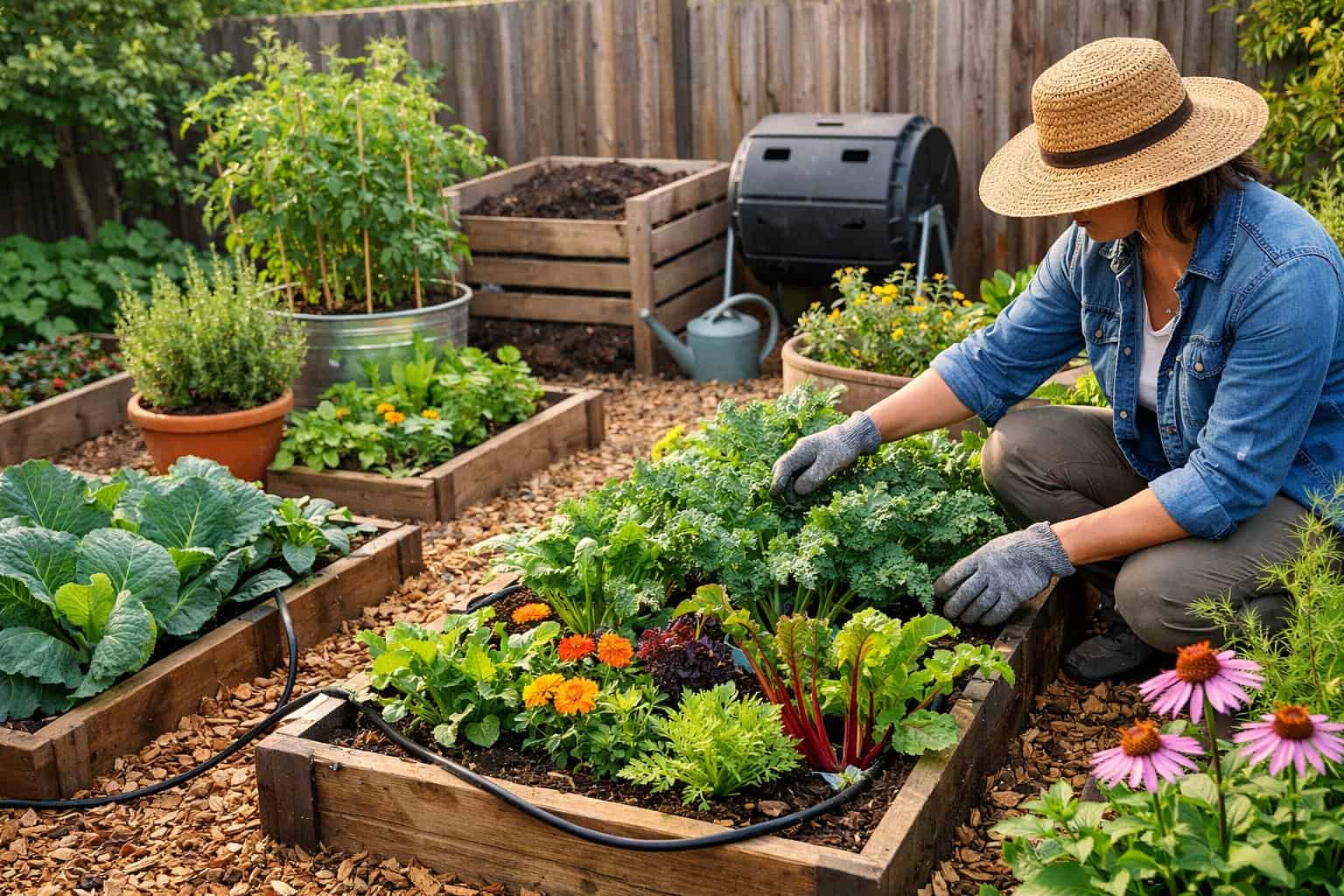
Good design turns a tight space into a productive garden that feels calm and useful. You do this by placing plants with purpose, noticing small climate shifts, and choosing elements that serve more than one role.
Permaculture Zone Planning for Compact Spaces
Permaculture zone planning helps you decide where things go based on how often you use them. In small spaces, zones stack closely, so placement matters more than size.
Start by putting daily-use plants where you can reach them fast. Herbs, salad greens, and compost bins belong near the door or kitchen window. Less-used plants, like berries or storage crops, can sit farther out, even if that distance is only a few steps.
If you’ve ever planted mint in the far corner and forgot to water it—[personal anecdote placeholder: first time I planted basil too far from the door and never harvested it]—you already get the idea. Observe and interact with your space before planting.
• Sketch your space and mark high-traffic paths
• Place water-hungry plants within hose or tap reach
• Group plants by care needs, not just type
Surprising tip: In very small gardens, zone planning saves more time than it saves space.
That brings us to how sun and shade shift across those zones.
Choosing the Right Layout and Microclimates
Every small permaculture garden has microclimates. Walls hold heat. Corners block wind. Balconies create strong urban microclimates that change by season.
Watch how sun moves for a few days. Note hot spots, shady patches, and areas that stay damp after rain. These details shape a productive garden more than square footage.
Once you spot patterns, match plants to place. Leafy greens prefer cooler shade. Fruiting plants need the warmest spots. In apartments, even railing height can change wind exposure.
• South-facing walls (north-facing in Australia) trap heat
• Concrete and brick release warmth at night
• Overhangs create reliable shade zones
Key tip: Treat microclimates like separate mini beds, even if they sit one foot (30 cm) apart.
Here’s where it gets easier when you choose elements that do double duty.
Optimizing Space with Multi-Functional Elements
Multi-functional elements keep small permaculture techniques efficient. Each item should solve more than one problem.
A trellis can support beans, shade lettuce, and block harsh wind. A rain barrel stores water and warms it for roots. Raised beds define paths, improve soil, and create sitting edges.
Think in layers and systems, not objects. This mindset builds micro-ecosystems that support themselves over time.
• Vertical supports grow food and manage light
• Containers move to chase sun or avoid heat
• Living ground covers protect soil and suppress weeds
Helpful tip: If an item only serves one purpose, it may not earn its space in a small garden.
Smart Growing Techniques for Maximum Yield
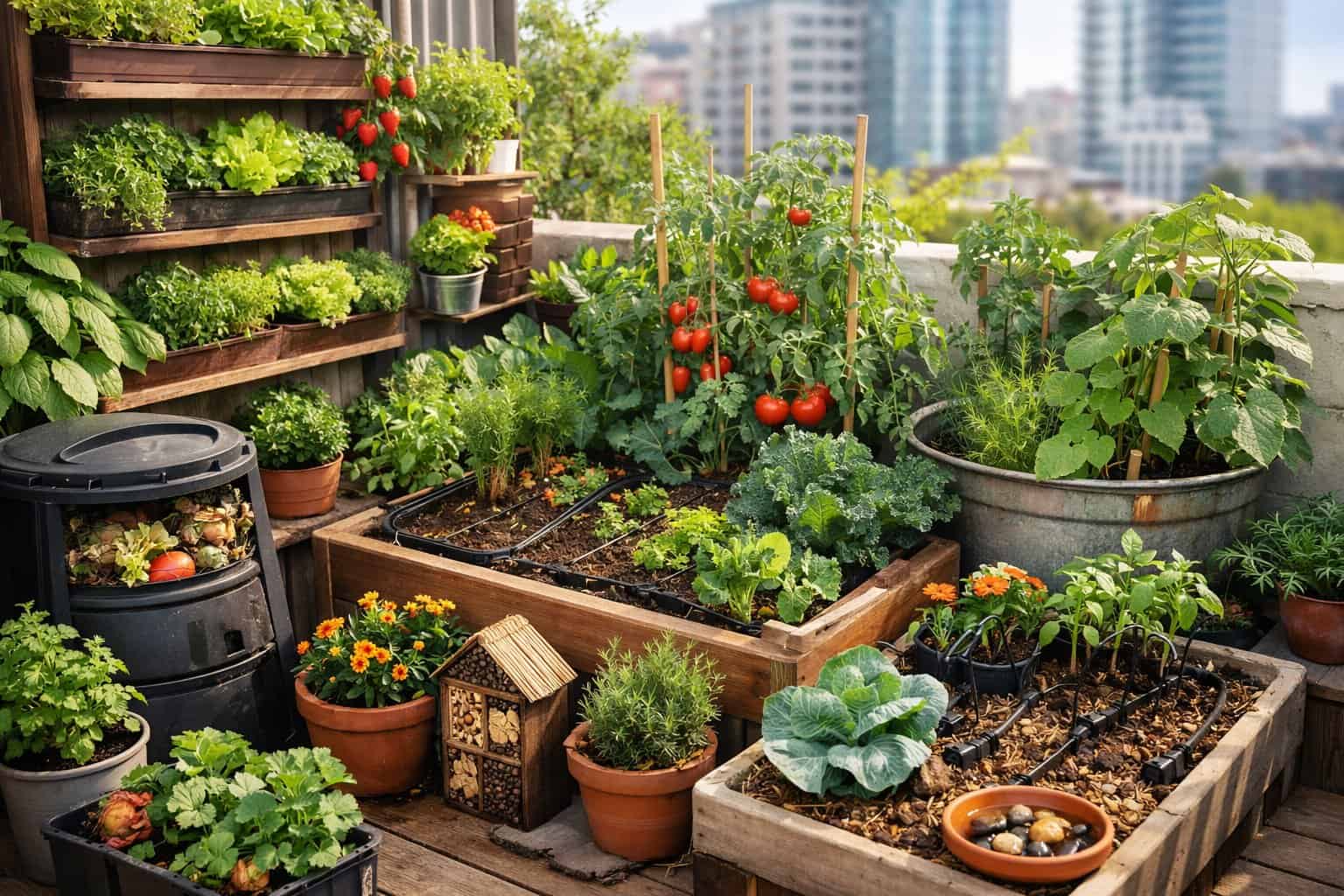
Small spaces reward careful planning and the right tools. You can grow more food by stacking plants upward, choosing containers that manage water well, and building soil that feeds crops for years.
Vertical Gardening and Trellises
Vertical gardening lets you turn walls, fences, and railings into growing space. Trellises support crops like peas, beans, cucumbers, and cherry tomatoes, which frees up ground space for roots and greens.
If you’ve ever tried to grow vines on the ground, you know they sprawl fast. Lifting them improves airflow and cuts disease risk. Simple materials work well, like wire panels, bamboo, or nylon netting.
• Anchor trellises firmly so wind does not tip them
• Place tall crops on the north side to avoid shading shorter plants
• Train vines early with soft ties to prevent snapped stems
Bold tip: Flat trellises against sunny walls warm faster, which helps early growth in cool seasons.
[personal anecdote placeholder: the first time I tied tomatoes too late and broke a main stem]
That brings us to growing without soil beds at all.
Container Gardening and Planters
Container gardening gives you full control over soil, water, and placement. You can move pots to chase sun or shelter plants during heat waves or storms.
Choose containers at least 12 in / 30 cm deep for vegetables. Shallow pots dry out fast and limit roots. Hanging baskets work best for herbs, strawberries, and trailing greens.
Self-watering planters reduce daily watering and prevent stress. Biodegradable pots help with seedlings because you can plant them directly into larger containers or raised beds.
• Use light-colored pots to reduce heat buildup
• Add mulch to slow water loss
• Pair containers with cold frames or small greenhouses for early starts
Bold tip: A single self-watering planter can save several gallons (15–20 L) of water each week.
[personal anecdote placeholder: when I forgot to water a pot during a hot weekend]
Once you’ve got that down, permanent beds make daily care easier.
Raised Beds and Sheet Mulching
Raised beds improve drainage, warm soil faster, and keep paths clear. Beds 6–12 in / 15–30 cm tall suit most crops and reduce bending.
Sheet mulching builds soil without digging. You layer cardboard, compost, and organic matter directly on the bed. Roots grow down while weeds stay buried.
• Lay cardboard with edges overlapped
• Add compost 2–3 in / 5–8 cm thick
• Top with straw or leaf mulch to hold moisture
This method pairs well with container planting and works inside greenhouses or cold frames.
Bold tip: Sheet-mulched beds often need less watering after the first month.
[personal anecdote placeholder: the first time cardboard broke down faster than expected]
Plant Selection and Companion Planting Strategies
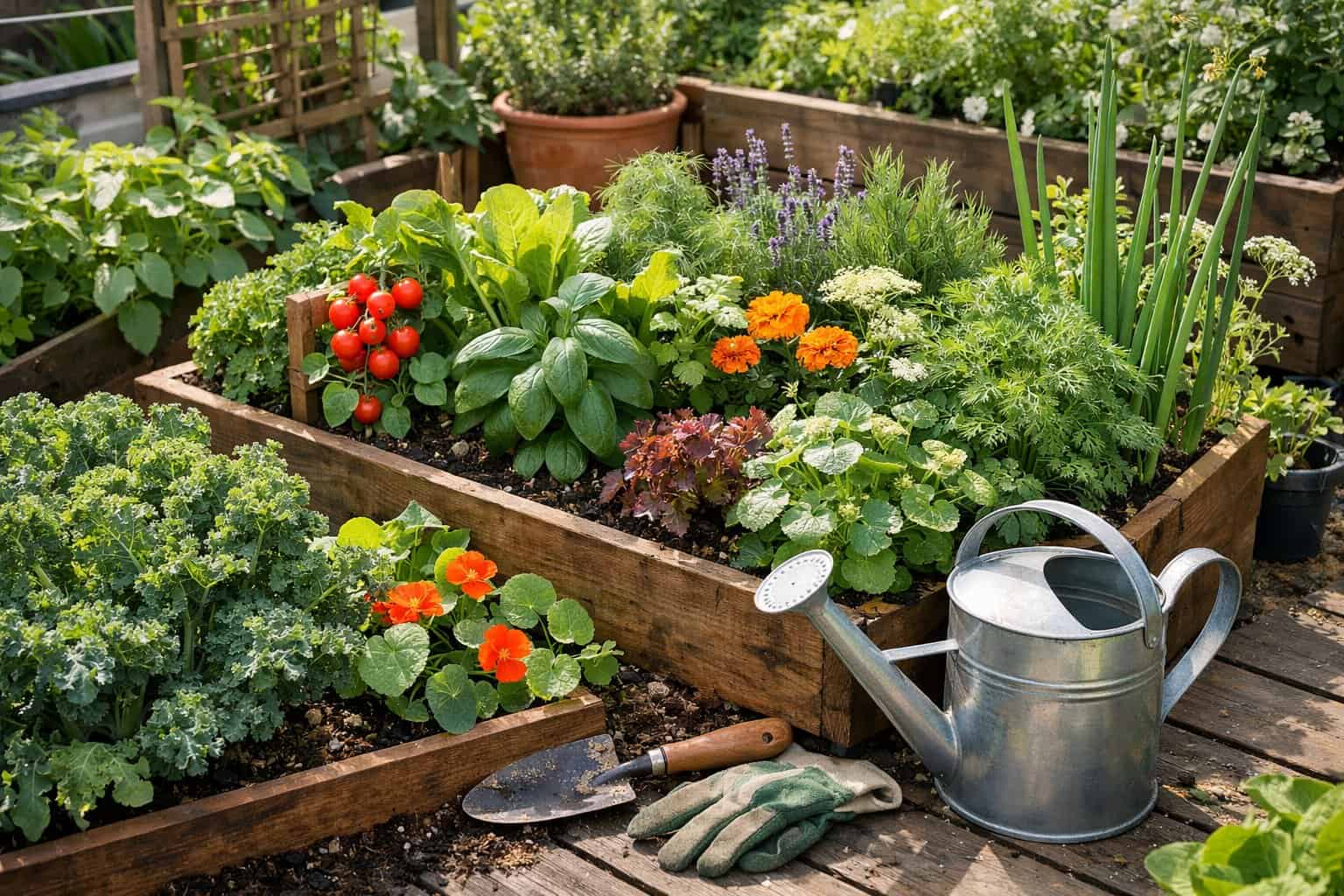
Smart plant choices and thoughtful pairings let you grow more food in less space. By mixing edible plants, perennial plants, and tight companion planting, you can build a small, steady system that supports itself.
Picking Productive Edible and Perennial Plants
Start with plants that earn their space. In small gardens, every pot and bed matters. Focus on edible plants you use often, like leafy greens, herbs, and compact vegetables.
Perennial plants give long-term value because you plant once and harvest for years. Dwarf fruit trees and small fruit trees fit well in courtyards and large containers. Blueberries work well in pots if you keep the soil acidic.
Native plants also help. They handle local weather better and need less care once established. If you’ve ever tried growing lettuce that bolted fast, you know how frustrating poor plant choice can be. [personal anecdote placeholder: the first time I planted full-size corn in a tiny raised bed]
That brings us to spacing and growth habits. Choose plants with shallow roots or upright growth so you can layer them without crowding.
Layering with Plant Guilds and Ground Covers
Once you’ve got that down, think in layers. Plant guilds group plants that support each other, much like a small food forest. A dwarf fruit tree can anchor the system.
Around it, add support plants: • Leafy greens for quick harvests
• Herbs to attract helpful insects
• Ground covers to protect soil
Ground covers like strawberries or creeping thyme reduce weeds and hold moisture. They also make use of space that often sits bare.
The classic three sisters planting shows this idea in action, even at a smaller scale. Corn grows up, beans climb, and squash shades the soil. You can adapt this pattern with trellised peas, compact tomatoes, and low squash in containers.
One helpful tip: in tight spaces, ground covers often produce more food than bare mulch.
Companion Planting for Small Spaces
Here’s where it gets easier. Companion planting helps plants share space without fighting for it. Good pairings improve growth and reduce pests.
Try these reliable matches: • Tomatoes with basil or chives
• Carrots with leafy greens
• Fruit trees with clover or herbs
Succession planting keeps beds active. As one crop finishes, another moves in. This works well with fast crops like spinach or lettuce.
Companion planting shines in containers and balconies. You can mix plants in one pot as long as they share water and light needs. With practice, your small space starts to feel productive instead of crowded.
Soil Building and Organic Matter Management
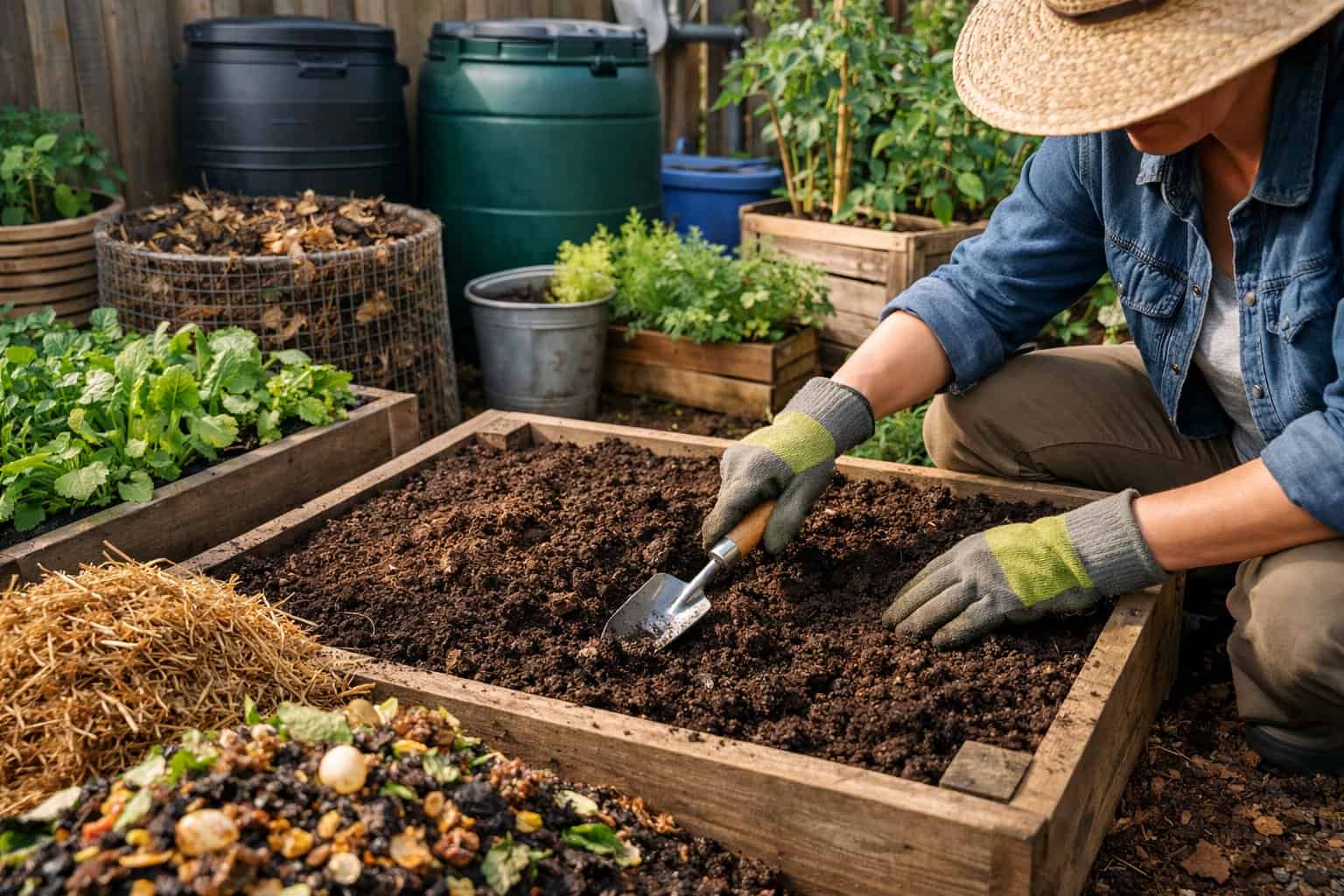
Healthy soil supports steady growth in tight spaces. You build it by adding organic matter, feeding soil life, and keeping soil covered so it stays in place and active.
[personal anecdote placeholder: first time I tried to grow herbs on a balcony, the soil dried out fast and plants stalled]
Boosting Soil Health and Fertility
Soil health starts with organic matter. In small gardens, this matters even more because roots share limited space. Compost, leaf litter, and fine wood chips feed microbes that release nutrients slowly.
Once you’ve got that down, think about structure. Mixing in aged compost improves drainage in containers and helps raised beds hold water. That balance supports soil fertility without constant feeding.
You can also add small amounts of biochar. Pre-soak it in compost tea so it does not pull nutrients from the soil. In deeper beds, hugelkultur logs at the base store moisture and break down over time.
Tip: One inch (2.5 cm) of compost added each year does more for long-term soil building than frequent liquid feeds.
Composting, Worm Farming, and Bokashi
That brings us to turning waste into soil. Composting works even in apartments with tight space. A sealed bin under a sink or on a balcony handles food scraps with little smell when managed well.
Vermicomposting uses worms to break down scraps into vermicompost. You harvest castings that boost soil health in pots and seed trays. Plants respond fast because nutrients stay plant-ready.
Bokashi fills the gap if you cook often. It ferments meat and dairy scraps that compost bins reject. After fermenting, you bury the mix in soil or add it to compost to finish breaking down.
Quick setup options: • Worm bin: 1–2 lb (0.5–1 kg) worms for a small household
• Bokashi bucket: airtight, drained weekly
• Compost bin: layered greens and browns, kept moist
Supporting Soil Erosion Control
In small spaces, erosion shows up as washed-out pots or compacted beds. Bare soil causes most of the trouble. Mulch fixes that fast.
Mulching with straw, shredded leaves, or bark slows water flow and shields soil life. Even a thin layer helps. In containers, mulch also limits heat stress during summer.
Cover crops like clover work in larger planters. They hold soil, add organic matter, and protect roots during fall (autumn). When cut and left in place, they feed the soil without digging.
Soil stays where it belongs when you keep it covered and alive.
Start with one habit this week. Add compost, set up worms, or mulch one pot. Small steps build strong soil.
Water Conservation and Sustainable Resource Use
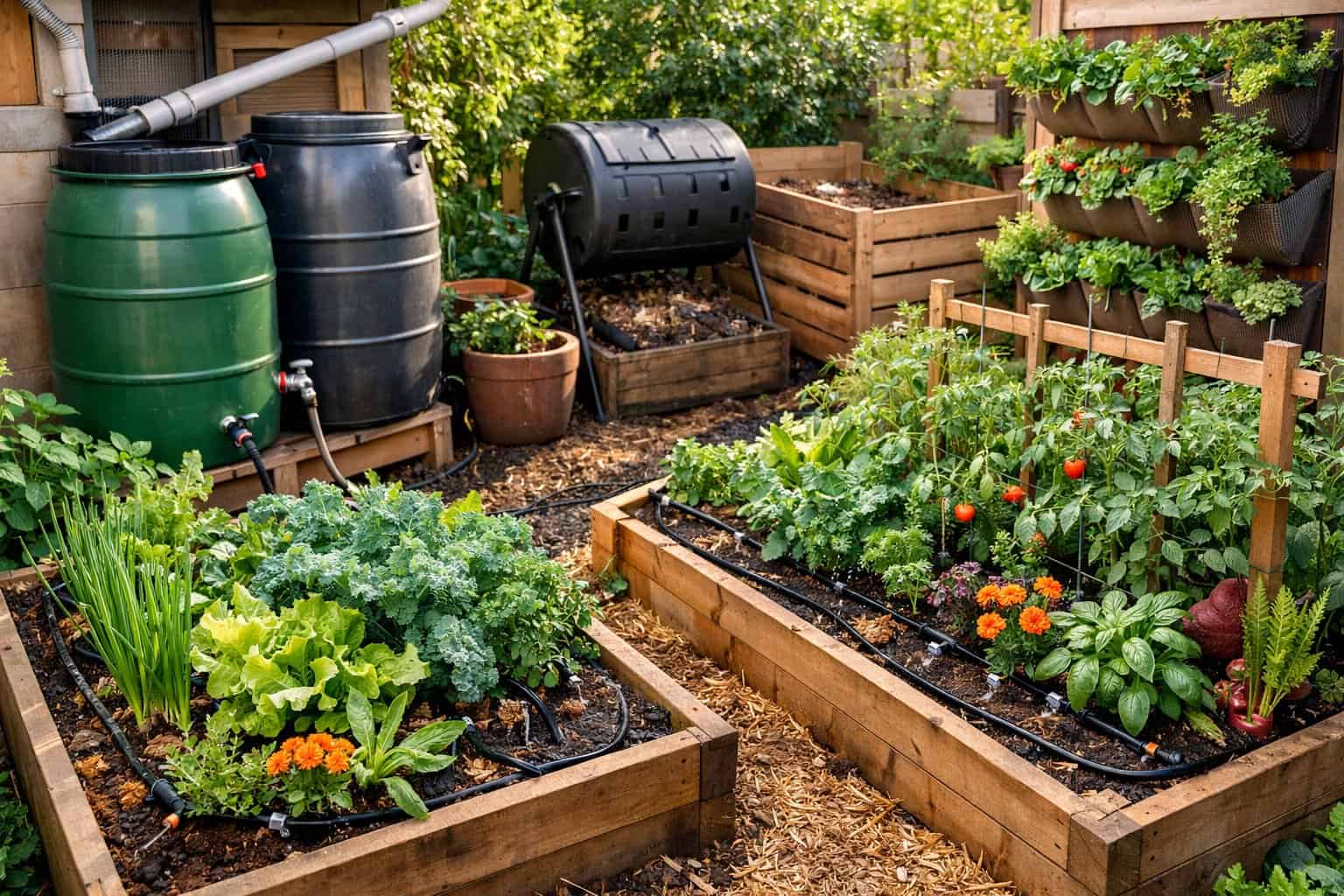
Small-space permaculture works best when you treat water and materials as limited resources. Smart water harvesting, simple irrigation, and careful reuse help you grow more food with less effort and waste.
Rainwater Harvesting and Drip Irrigation
Rainwater harvesting starts with simple tools. A rain barrel placed under a downspout can collect 40–80 gallons (150–300 liters) from a single storm. Even one barrel reduces tap water use for containers and raised beds.
Drip irrigation and soaker hoses deliver water right to plant roots. That cuts runoff and evaporation, which matters in hot summers. You can connect drip lines to a rain barrel using gravity if the barrel sits at least 12–18 inches (30–45 cm) above the soil.
• Use a filter screen to keep debris out
• Water early in the morning to reduce loss
• Check lines often for clogs or leaks
Personal anecdote placeholder: the first time I set up drip irrigation, I forgot to level the barrel and learned quickly why water pressure matters.
Tip: A simple timer on a drip system can cut water use by 30–50% compared to hand watering.
That brings us to the materials you use to build these systems.
Using Recycled Materials Wisely
Small spaces reward creative reuse. Recycled materials lower costs and reduce waste without hurting function. Old food-grade buckets work as planters. Scrap wood can frame beds or support vertical growing.
Choose sustainable materials that last outdoors. Untreated wood, metal shelving, and reused bricks hold up better than thin plastic. When plastic makes sense, reuse what you already have instead of buying new.
• Reuse nursery pots inside decorative containers
• Turn glass jars into seed-starting covers
• Use broken concrete as path edging
Avoid painted or treated wood where food grows. Once you’ve got that down, water flow across your space matters just as much.
Creating Rain Gardens and Managing Greywater
A rain garden catches runoff and lets it soak into the soil. In small yards, a shallow dip 6–8 inches (15–20 cm) deep can handle roof or patio water. Plant it with deep-rooted grasses or flowering plants that handle wet and dry cycles.
Greywater systems reuse water from sinks or laundry for irrigation. In small homes, a simple hose from a washing machine can water fruit trees or shrubs. Use mild soap and spread water evenly to avoid buildup.
• Keep greywater below the soil surface
• Rotate watering areas to protect soil
• Pair with swales to slow and spread flow
Swales and even small-scale keyline design help move water where plants need it most, even in tight spaces.
Supporting Biodiversity and Natural Pest Control
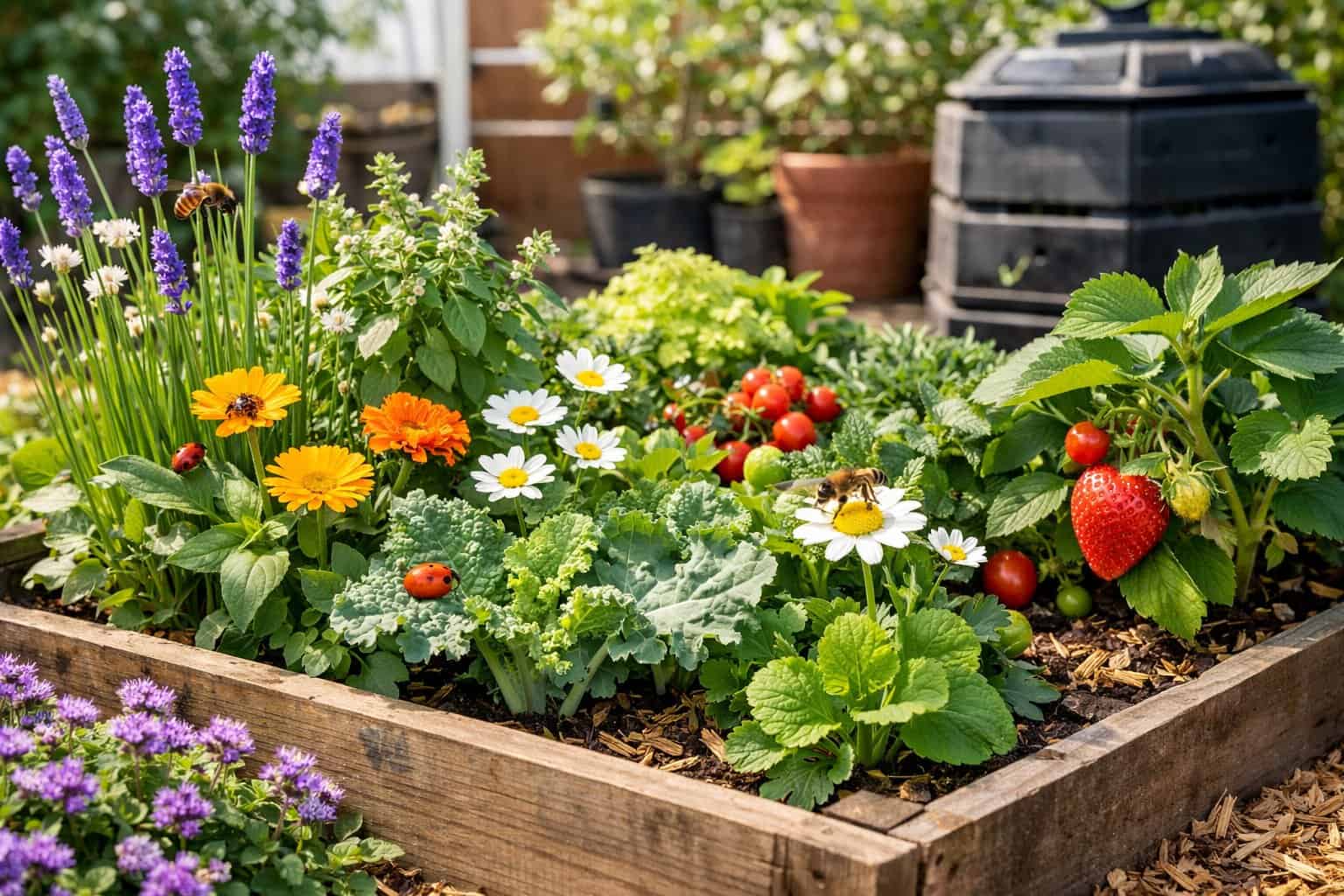
Small-space permaculture works best when you invite helpful life in and let it do the work. Diverse plants, simple shelters, and smart planting choices support pollinators, reduce pest control needs, and turn even a balcony into a wildlife habitat.
Attracting Pollinators and Beneficial Insects
Bees, butterflies, and other pollinators need food and safe places to rest. You can support them with a short list of reliable plants and simple spacing. Choose native flowers, herbs, and small shrubs that bloom at different times.
• Plant nectar-rich herbs like basil, thyme, and rosemary
• Add flowers such as marigold or calendula
• Let a few plants flower instead of harvesting everything
If you garden in a community garden, cluster similar plants together. This helps pollinators find them faster. I remember the first time I forgot to plant flowers with my vegetables, and my harvest dropped fast.
Tip: Leave one shallow dish of water with stones so insects can land safely.
Practical Natural Pest Management Techniques
Once you’ve got pollinators visiting, natural pest management gets easier. Beneficial insects like ladybugs and lacewings eat aphids, mites, and other pests. You attract them by avoiding sprays and growing variety.
Use these low-effort methods first:
• Interplant vegetables with herbs to confuse pests
• Hand-pick pests early, once a week
• Use fine mesh covers during peak pest weeks
But there’s a catch. Some leaf damage is normal. A few holes mean your system works. In shared spaces like community gardens, talk with neighbors so everyone avoids harsh chemicals that break natural pest control.
Building a Wildlife-Friendly Microhabitat
That brings us to shelter. Small wildlife needs places to hide, nest, and overwinter. You can build this in less than 1 sq ft (0.1 sq m).
Add one or two of these:
• Insect hotels with holes 3–8 mm wide
• A birdhouse sized for local species
• A log or pot turned on its side for shade
Place shelters near plants, not in open wind. This setup supports birds, beneficial insects, and long-term balance. It also boosts community engagement when others see life returning and ask how you did it.
Frequently Asked Questions
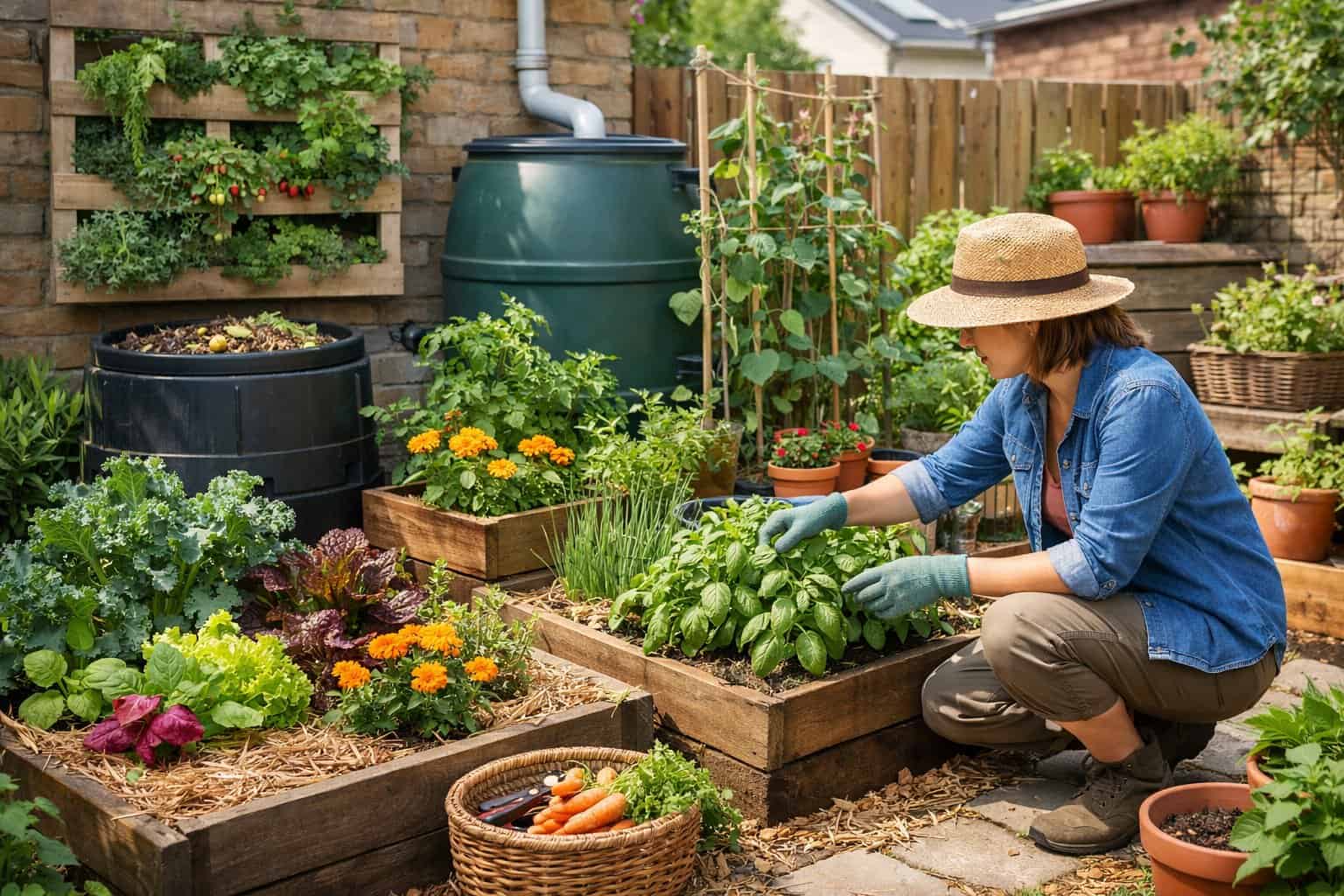
Small-space permaculture works when you observe light and water, stack plant roles, reuse waste, and grow upward instead of outward. These answers focus on balcony setups, tiny yards, and containers you can manage week by week.
How do you start a permaculture garden in a limited space such as an apartment balcony?
Start by watching your balcony for a full day. Note sun hours, wind, and where water drains after rain.
Once you’ve got that down, choose containers with drainage and place them where plants match the light. Herbs and greens handle partial sun, while tomatoes need full sun.
Begin with three elements that support each other: plants, mulch, and a simple water plan. Mulch cuts watering needs, and a small tray catches runoff for reuse.
• Pick 3–5 plants you use every week
• Use one deep container per plant, at least 10–12 inches (25–30 cm) deep
• Group pots to reduce wind stress
Surprising tip: dark pots store heat and help warm roots on cool nights.
[personal anecdote placeholder: the first time I tried to grow basil on a windy balcony]
What are some creative ways to maximize plant diversity in a small garden area?
Diversity grows when each plant fills a different role. Mix shallow-rooted greens with deeper-rooted plants in separate pots placed close together.
That brings us to timing. Stagger planting so one crop finishes as another starts, which keeps soil active without crowding.
You can also mix edibles and helpers. Flowers like nasturtiums pull in insects while covering bare soil.
• Pair one main crop with one helper plant
• Rotate fast crops every 30–45 days
• Use edges for trailing plants
Helpful tip: plants with different root depths compete less, even when pots sit side by side.
Can you share tips for composting in small spaces without attracting pests?
Small-space composting works best when it stays dry, sealed, and balanced. Worm bins and bokashi buckets fit under sinks or on balconies.
But there’s a catch. Smells start when food scraps outweigh dry material, so add shredded paper or cardboard each time.
Aim for a container no larger than 10–15 gallons (38–57 liters) to keep control easy.
• Bury scraps under dry material
• Avoid meat and oily foods
• Drain liquid weekly
Key tip: freezing food scraps first reduces odor and pest interest.
How do you incorporate vertical gardening to enhance your small space permaculture?
Vertical growing starts with sturdy support. Use trellises, wall planters, or rail-mounted pockets that handle weight when wet.
Once you’ve got that structure, place climbers like beans or cucumbers on the sunniest side. Shade-tolerant plants sit below.
Vertical setups also create cooler zones under leaves, which helps greens last longer in summer.
• Secure supports to walls or rails
• Train plants early, not after tangling
• Check fasteners every month
Important tip: always anchor vertical frames to prevent tipping in wind.
What are the easiest permaculture principles to implement for someone with a tiny yard?
Start with observation and mulching. These two steps alone cut work and water use fast.
Next, stack functions. A single plant can feed you, shade soil, and attract insects.
Design paths and beds so you reach everything without stepping on soil.
• Observe before planting
• Mulch all bare soil
• Grow up, not out
Beginner tip: mulch solves more problems than fertilizer in small yards.
How can you maintain a healthy mini-ecosystem in a small permaculture plot through the seasons?
Seasonal care means small adjustments, not big resets. In summer, add shade and water early. In fall (autumn), refresh mulch and plant cool crops.
Winter shows you structure. Notice sun angles and protect roots with thicker mulch.
Spring brings it together. Compost feeds soil life, and pests stay balanced when plants stay healthy.
• Adjust watering by season
• Replant gaps within two weeks
• Leave some leaf litter
Useful tip: consistent soil cover keeps microbes alive year-round.