
For a tasty Asian twist in your kitchen, you can't go wrong with some homegrown Asian greens!
These little superstars are quick and easy to grow - just give them a little love and plenty of water for the best results. Step by Step Instructions Here
Not only do they grow quickly and require minimal effort, but their nutrient-packed leaves can turn your cooking into something truly special.
In just four short weeks you could be harvesting enough baby greens to make delicious soups, stir-fries, or salads with that unmistakable freshness that's hard to beat.
Asian Green Varieties
The Asian green group includes a variety of delicious, leafy vegetables!
All the parts can be eaten so don't shy away from trying new dishes featuring this amazing veggie assortment!
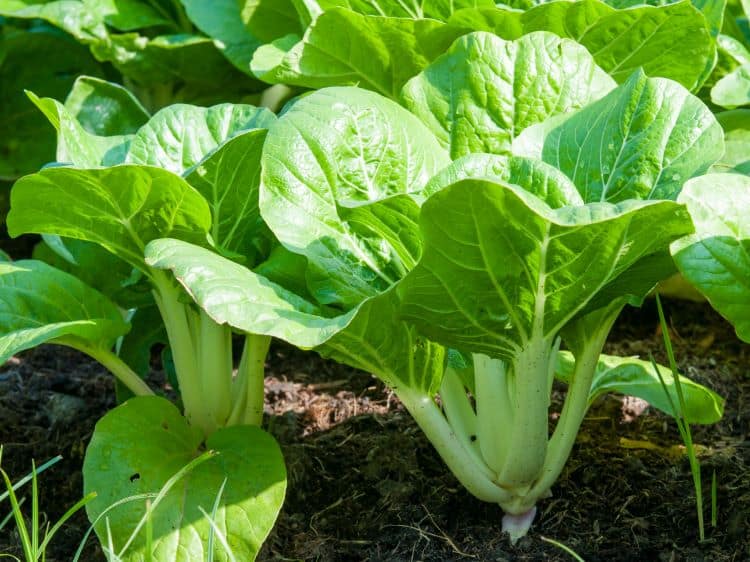
- pak choi and bok choi - What is the difference? Bok choy is also known as pak choi or bak choi, a vegetable of the Brassica rapa species and part of the mustard family. Throughout the United Kingdom, it is known as pak choi, in Australia and the US, it's referred to as bok choy - it is the same plant.
- Choy sum can be translated as "heart of the vegetable". It produces small yellow flowers and is also known as Chinese flowering cabbage.
- Tatsoi is truly unique with its tiny, glossy leaves forming a delicate rosette that hugs the ground.
- For something really special, check out Gai lan or Chinese broccoli - it produces regular broccoli-looking foliage which gives way to a thick central flower stalk.
- Wombok or Chinese cabbage is a staple in Asian cooking that is well worth a try. Its head looks similar to European green cabbage, only more elongated, and its crunchy leaves have a very pleasant flavor.
Friends In The Garden
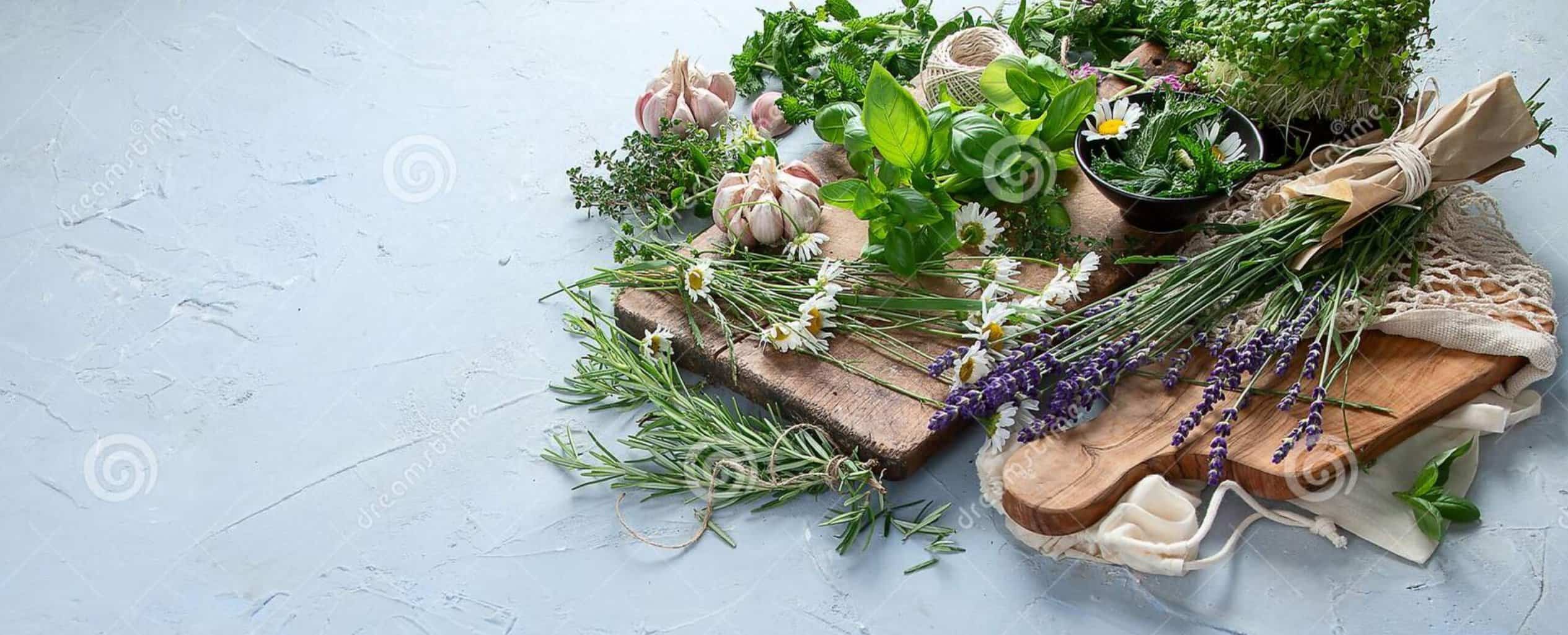
Asian greens are surprisingly undemanding friends for your garden, balcony, or any sunny spot you can think of! These nutrient-packed veggies happily thrive in mild conditions and don't even need all day sun - just four hours is enough.
From autumn to spring is the ideal period for planting in most regions, and even during summer you can still have a successful harvest by providing shade protection on hot days.
To ensure your seed gets the perfect beginning, incorporate some organic matter and a small amount of fertilizer into the soil before sowing. Asian Greens are shallow-rooted and great for pots, so there's plenty of flexibility to work with whatever space you have available.
For the best harvest, stagger your sowing so that there's something fresh in the veggie patch every few weeks. I'll sometimes transplant any overcrowded seedlings but most of them stay put and once they reach 10cm tall (around 3-4 weeks) it's a great time to enjoy some delicious 'baby greens'.
By 8 or 10 weeks you should have plenty ready for harvesting (10 - 12 weeks for Wombok) - just don't leave them too long otherwise they can become tough!
Occasionally, I choose to keep a few plants in the ground for them to bloom and scatter their seeds so that I can gather and store some for future plantings.
Our Story
Lorem ipsum dolor sit amet, consectetur adipiscing elit, sed do eiusmod tempor incididunt ut labore et dolore magna aliqua. Ut enim ad minim veniam, quis nostrud exercitation ullamco laboris nisi ut aliquip ex ea commodo consequat. Duis aute irure dolor in reprehenderit in voluptate velit esse cillum dolore eu fugiat nulla pariatur. Excepteur sint occaecat cupidatat non proident, sunt in culpa qui officia deserunt mollit anim id est laborum.
Nibh tellus molestie nunc non blandit. Et sollicitudin ac orci phasellus egestas tellus rutrum tellus pellentesque. Nisl vel pretium lectus quam id leo in vitae. In eu mi bibendum neque egestas congue. Semper risus in hendrerit gravida rutrum quisque non tellus. Elementum pulvinar etiam non quam.
Step By Step
When deciding where to plant your Asian greens, pick a spot in the sun- except for extremely hot and arid regions/seasons where you may want to select an area that is shaded during the late afternoon summer months.
You will also require good quality soil with plenty of nitrogen-rich manure or compost as well as balanced fertilizer to promote extensive leaf growth!
To get the biggest, healthiest leaves, be sure to sow at the ideal time for your region (according to what is indicated on seed labels). Sowing out of season leads to an increased likelihood that crops will bolt due to increasing daylight.
Positioning plants in a shaded area reduces their ability to form flowers, but you can still reap plenty of individual leaves. Make sure to mulch around them and keep the soil hydrated; any stress will cause the plant to "bolt" and make its leaves unpleasantly bitter.
Growing Asian greens in containers, such as tatsoi, and bok choy is simple and can produce beautiful results. Maximize your yields with quality potting mix and balanced organic fertilizer for optimal results.
To guarantee the vibrancy of your plants, nourish them fortnightly with high-nitrogen compost teas or fish emulsion fertilizers – you'll be rewarded with a delicious array of mixed greens!
Asian greens are pretty pest and disease resistant due to their swift growth, which allows them to outpace many predators. To protect these plants from slugs or snails, use diatomaceous earth or beer traps. Additionally, for protection against cabbage white butterflies, you can apply veggie netting or Bt spray.
Growing Asian Greens in your backyard is an incredibly gratifying experience that provides you and the family with access to super fresh and nutrient-dense food!
Gets started today!