Zucchini is one of the easiest ways to get a big return from a small patch of garden. It grows fast, it’s generous, and it’s happy in the ground or a large pot if you keep up with water and feeding.
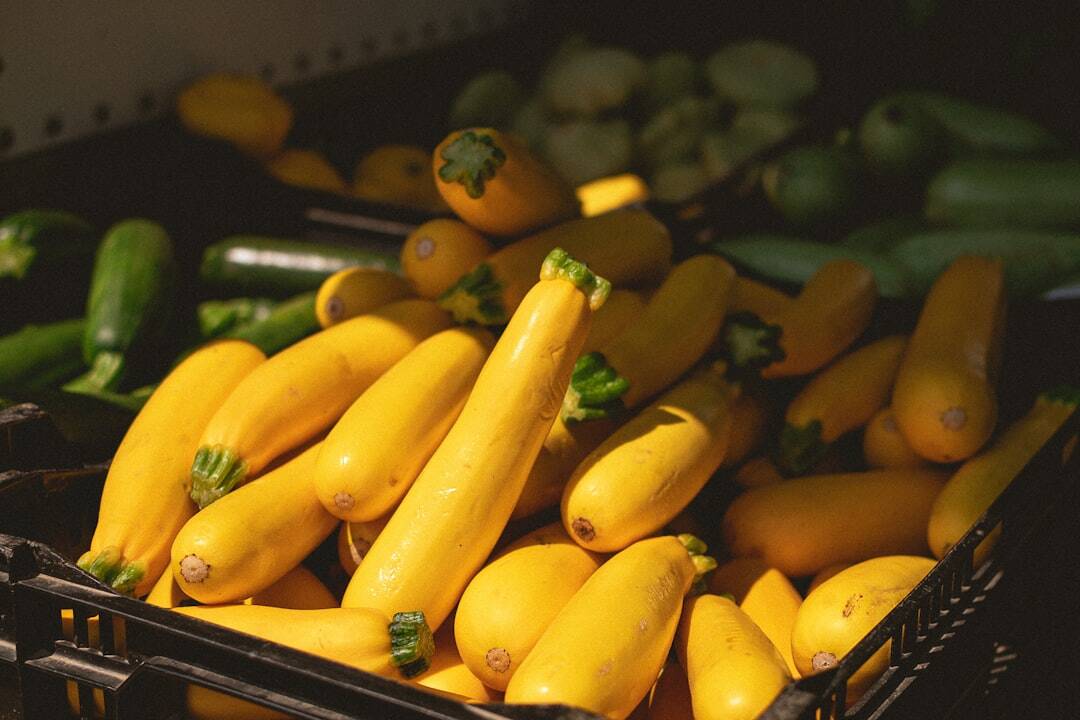
If you cook even a little, you’ll use it. Grilled, sautéed, baked into bread, shredded into fritters—zucchini always finds a job.
Quick Tips for Zucchini
Best Time To Plant
After last frost in spring; soil at least 60°F (16°C)
Sun / Lighting
Full sun, 6–8 hours per day
Spacing
18–24 in (45–60 cm) between plants; 1 plant per container
Soil Type / PH
Well-draining, compost-rich soil; pH 6.0–7.0
Container Info
Minimum 5-gallon (19 L) pot, at least 12 in (30 cm) deep
Propagation
Direct sow or transplant seedlings; seeds germinate quickly
Did you know: Light pruning plus staking improves airflow and can lift yields
About Zucchini
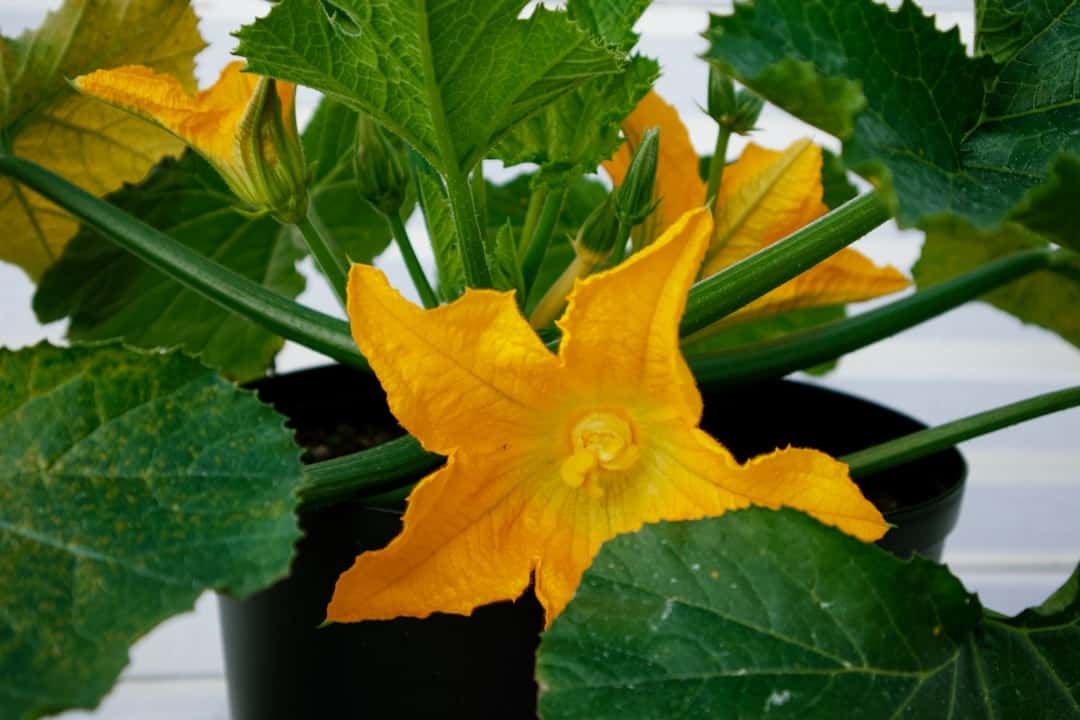
Zucchini is a summer squash: quick, productive, and fairly forgiving. The fruit and the flowers are both edible, and the best eating is always when the fruit is young and tender.
Zucchini Growth Habits
What it looks like: Most zucchini are bushy plants with big leaves that sprawl outward (they can still take up serious space).
Flowers and pollination: You’ll see male flowers on thin stems, and female flowers attached to a baby zucchini. Pollination usually happens in the morning because flowers open early and close fast.
Airflow matters: Crowding is where people get caught out—dense leaves stay damp, and that’s when mildew and rot move in.
Watering technique: Water at the base, not over the leaves, to reduce fungal problems.
Growing Zones for Zucchini
USA:
- Zones 3–10 (grown as an annual)
- Cool areas—start indoors or use row covers. Hot areas—mulch well and water consistently.
Australia:
- Temperate, subtropical, Mediterranean
- Mild winters—sow in early spring. Hot summers—aim for morning sun and afternoon shade.
Varieties Of Zucchini
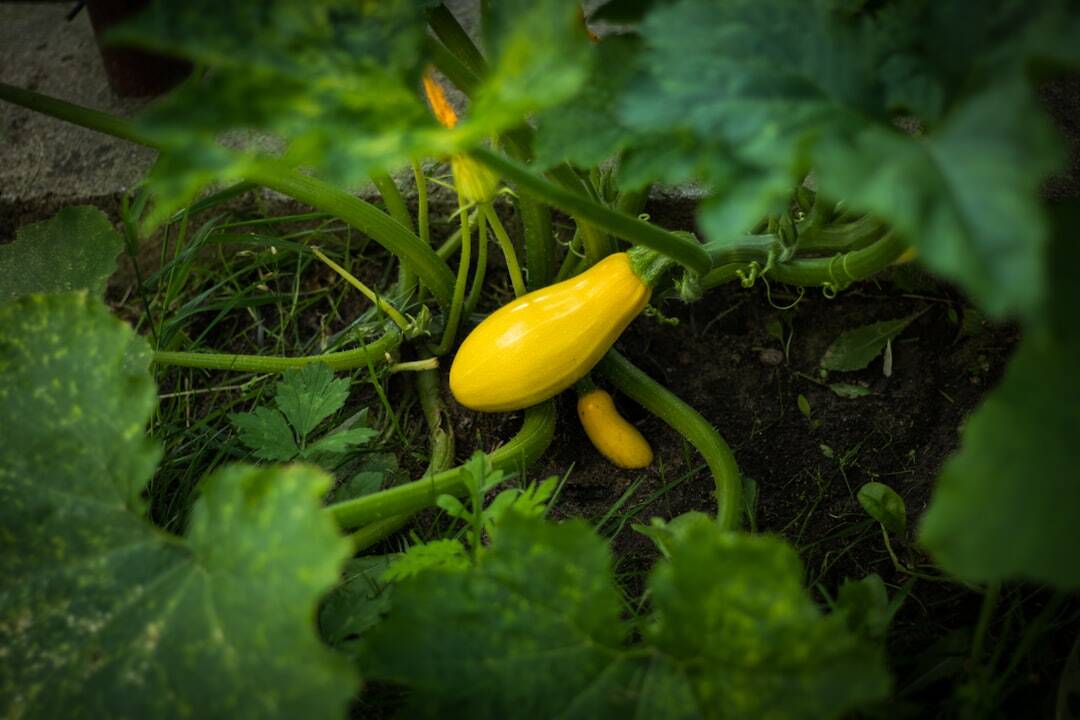
All zucchini are picked young, but the variety changes texture, flavor, and how they fit your space.
Black Beauty
Appearance: Dark green, classic shape
Flavor: Mild, slightly sweet
Best use: Grilling, sautéing, baking
Costata Romanesco
Appearance: Ribbed, striped
Flavor: Nutty, more robust
Best use: Raw slices, salads, roasting
Golden Zucchini
Appearance: Bright yellow
Flavor: Delicate, slightly buttery
Best use: Stir-fries, baking, pickling
Ronde de Nice
Appearance: Small, round, light green
Flavor: Gentle, creamy
Best use: Stuffing, roasting, soups.
Rampicante (unusual/rare)
Appearance: Long, curved, pale green; can be used young like zucchini or left to mature like a winter squash
Flavor: Sweet, slightly nutty
Best use: Thin slices for grilling, “noodles”
Quick Tips - Choosing a Variety
Match the variety to your season length (short summer = faster types)
Choose compact/bush types for pots
If mildew is common where you live, look for disease resistance
Growing two varieties gives you more kitchen options without much extra work


Planting Zucchini
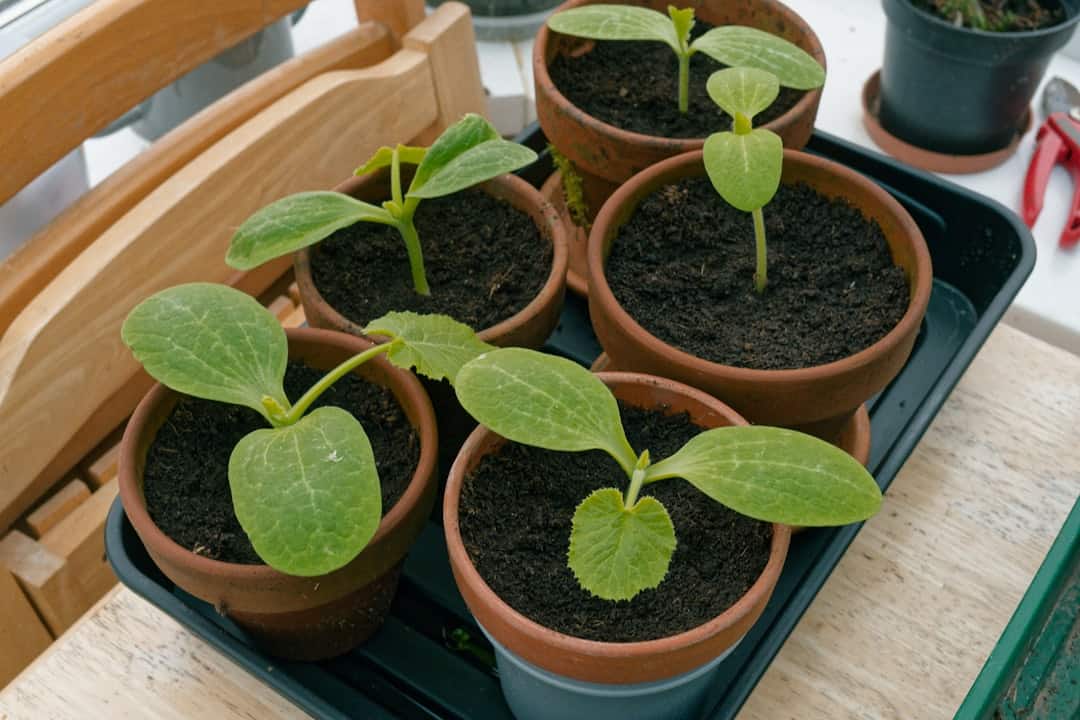
Zucchini success comes down to timing, sun, and space. Get those right and the plant usually does the rest.
When To Plant
Temperature first: Plant after frost risk has passed and soil is above 60°F (16°C).
Cool climates: Start seeds indoors 2–3 weeks before last frost, then harden off before planting out.
Mild climates: You can sow in succession through late spring and early summer for staggered harvests.
Cold soil warning: Zucchini hates chilly nights—slow growth early often leads to weaker plants later.
Where To Plant
Sun: Aim for 6–8 hours of direct sun.
Soil: Loose, rich, well-draining soil. If your ground stays wet, raised beds help.
Spacing: Give plants room. Crowding is the fastest way to invite mildew and pest pressure.
Crop rotation: Avoid planting where squash/cucumbers grew last season if you had pest or disease issues—those problems can hang around.
Container/Small-Space Growing
Container size: One plant per large pot—at least 5 gallons (19 L) and 12 in (30 cm) deep (bigger is better in hot weather).
Potting mix: Use a quality, free-draining potting mix (not garden soil).
Watering reality: Pots dry out quickly, especially in wind and heat—check moisture often.
Vertical option: A sturdy stake or tomato cage can keep leaves off the ground and improve airflow. Compact varieties make this much easier.
How To Plant
Direct sow (simplest):
• Plant seeds 1 in (2.5 cm) deep
• Sow 2–3 seeds per spot, then thin to the strongest seedling
• Space planting spots about 3 ft (90 cm) apart if you’re giving the plant full room
Transplanting seedlings:
• Plant after frost, once nights are reliably warm
• Set the seedling at the same depth it was in the pot
• Water in well
Germination and early care: Seeds usually sprout in 5–10 days in warm soil. Keep soil evenly moist, not soggy. Mulch (straw, sugarcane mulch, or compost) helps stabilize moisture and temperature.
Propagation
Zucchini is grown from seed. Cuttings aren’t worth your time.
Seed saving note: If you grow more than one variety, they can cross-pollinate, so saved seed may not come true. For most gardeners, fresh brought seed each season is the reliable option.
Care And Maintenance Of Zucchini
Once zucchini is growing, your main jobs are steady moisture, steady feeding, and keeping the plant open enough for airflow.
Watering Needs
Fertilizer
Pruning
Zucchini Problems And How To Fix Them
Most zucchini issues fall into three buckets: pests, disease, and pollination/watering mistakes.
Pests
Squash bugs
Symptoms: Wilting, yellow spots, clusters of dark eggs under leaves
What to do: Hand-remove bugs and eggs, use row covers on young plants, clear debris where they hide
Squash vine borers
Symptoms: Sudden wilt, sawdust-like frass near the stem base, hollowed stems
What to do: Remove borers if found, mound soil over lower stems to encourage new roots, use row covers early
Cucumber beetles
Symptoms: Chewed leaves, stunted growth, beetles present
What to do: Handpick, reduce weeds, consider insecticidal soap, use row covers early (remove once flowering for pollination)
Note on animals: In many areas of the US and Australia, zucchini isn’t a top target—but hungry rabbits or ground critters will still take a bite, especially when fruit is young and tender.
Diseases
Powdery mildew
Symptoms: White, powdery coating on leaves
What to do: Improve airflow, water at the base, remove worst leaves, use organic options like neem oil or potassium bicarbonate if needed
Downy mildew
Symptoms: Yellow patches on top of leaves, gray fuzz underneath
What to do: Remove infected leaves, avoid overhead watering, choose resistant varieties if this is common in your region
Bacterial wilt
Symptoms: Sudden wilt, often in hot weather
What to do: Remove and bin affected plants, control cucumber beetles, rotate crops
Growing Problems
Blossom end rot
Symptoms: Dark, sunken spot on blossom end of fruit
What to do: Even out watering, mulch, and avoid major moisture swings so the plant can take up calcium consistently
Poor pollination
Symptoms: Small fruit shrivels and drops, misshapen zucchini
What to do: Plant pollinator-friendly flowers nearby, avoid spraying insecticides during bloom, hand-pollinate if needed (male flower to female flower)
Yellowing leaves or fruit drop
What to do: Confirm sun (6–8 hours), check drainage (roots hate sitting wet), and feed with a balanced fertilizer if growth is stalling
Harvesting Zucchini
Zucchini can go from “perfect” to “giant club” very quickly, especially in warm weather. Regular picking keeps the plant producing.
When To Harvest
Best size: 6–8 in (15–20 cm) long for tender skin and small seeds.
Baby zucchini: Around 4 in (10 cm) for a sweeter flavor and delicate texture.
Harvest rhythm: Check daily once fruiting starts—zucchini hides under leaves and grows fast
How To Harvest
Hygiene tip: If you’re dealing with disease, wipe or wash blades between plants to avoid spreading it.
Storing Zucchini
Refrigerator storage
Duration: Up to 1 week
How: Store unwashed in a bag (slightly open for airflow) in the crisper drawer
Freezing
Duration: 3–4 months
How: Slice or dice, blanch/steam 2–3 minutes, cool, pat dry, freeze airtight
Vacuum sealing + freezing
Duration: 6–12 months
How: Dice, vacuum seal, freeze (best for big harvests)
Dehydrating
Duration: Up to 1 year
How: Slice thin, dry fully, store airtight in a cool, dark place
Preservation Tips
Don’t wash before fridge storage—moisture speeds spoilage
Date-label frozen and dried batches
Use frozen zucchini straight from the freezer in cooked dishes
Benefits and Uses of Zucchini
Zucchini’s strength is that it disappears into meals when you want it to—and stands up as a side dish when you don’t.
Cooking With Zucchini
• Grill or sauté with olive oil, garlic, salt, and lemon
• Roast slices or chunks until lightly browned
• Eat raw: thin ribbons in salads (especially ribbed varieties)
• Add to eggs: omelets, frittatas, scrambled eggs
• Bake with it: zucchini bread, muffins, pancakes
• Stretch meals: layer into lasagna or casseroles, or spiralize into “zoodles”
Kitchen habit that helps: If you’re drowning in zucchini, grate it, squeeze out excess moisture, and freeze in recipe-sized portions. It’s a gift to your future self.
Family Recipes
Classic zucchini bread: Moist, quick, and a reliable way to use extra fruit.
Grilled zucchini slices: Lengthwise slices, oil, seasoning, quick grill—done.
Cheesy zucchini fritters: Grated zucchini + eggs + cheese + a little flour, pan-fried.
Stuffed zucchini boats: Hollow, fill, bake—great for using up larger fruit.
Aussie zucchini slice: Eggs, onion, cheese, zucchini—an easy lunchbox classic.
Frequently Asked Questions
What are the best conditions for planting zucchini seeds?
Warm soil (at least 60°F / 16°C), full sun, and compost-rich, free-draining soil. Plant after frost.
How often should I water zucchini?
Aim for 1–1.5 in (25–40 mm) weekly, adjusted for heat and wind. The goal is consistent moisture, not wet feet. Water at the base.
What support do zucchini need if growing vertically?
A sturdy stake, tomato cage, or trellis, plus soft ties for the main stem. Vertical growing improves airflow and keeps fruit off the ground.
How do I prevent common problems?
Space plants, mulch, water at the base in the morning, and remove problem leaves early. If pests are common, use row covers early and remove once flowering.
What’s proper spacing for maximum yield?
18–24 in (45–60 cm) between plants is a good working range, with extra space helpful in humid climates. One plant per large container.
How do I know when to harvest?
Pick at 6–8 in (15–20 cm) for the best eating. Harvest often—leaving big fruit on the plant slows new production.
Wrap Up
Become a Model.
Book your session now!