

Tarragon’s a flavorful herb, famous for its fresh, slightly licorice taste. It’s a favorite for home cooks and gardeners alike.
You can grow tarragon at home if you pick the right variety, plant it in well-draining soil, and give it lots of sunlight.
Whether you want to jazz up your cooking or just want something a little different in your herb patch, tarragon’s a solid pick—especially if you’re new to gardening.
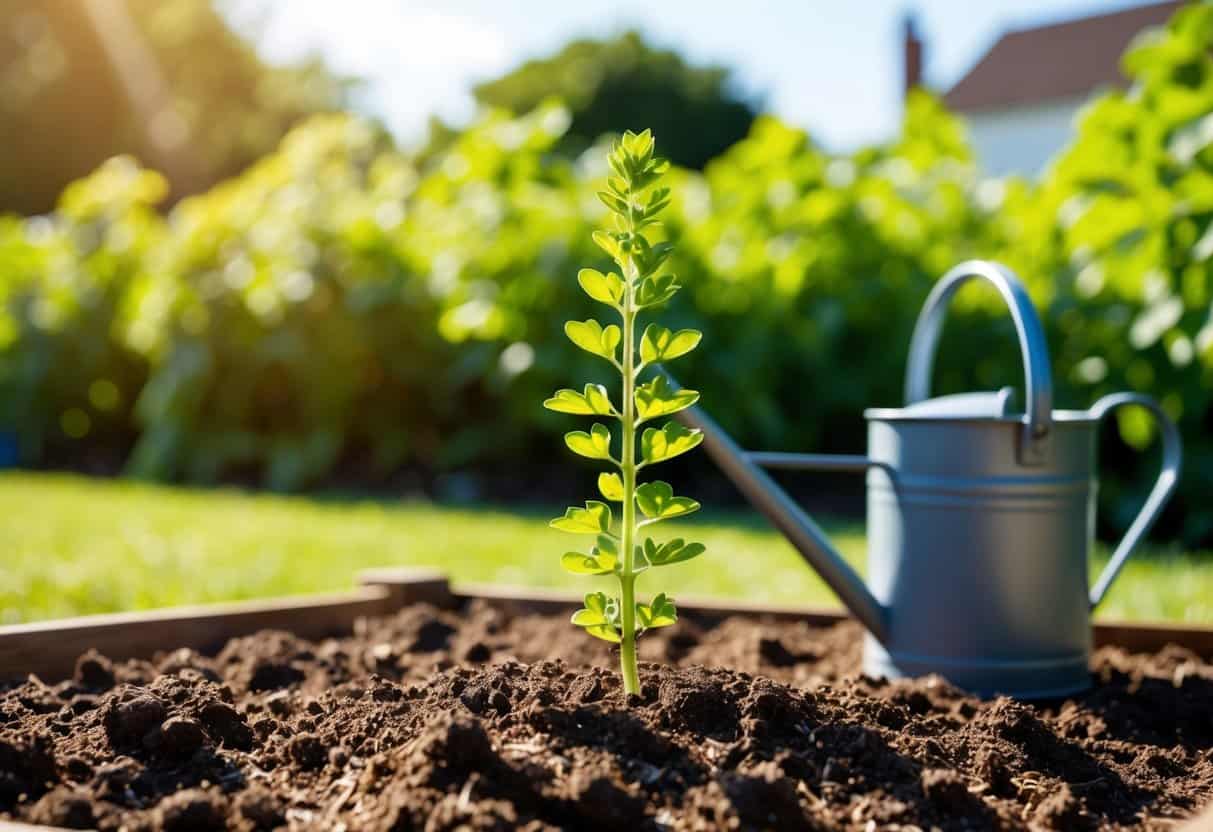
If you like growing herbs or want to play with new flavors in your kitchen, this little guide will help you get tarragon started, from planting all the way to harvest.
Quick Tips for Tarragon
Best Time To Plant
Spring (after frost); Autumn in mild climates
Sun / Lighting
Full sun (at least 6 hours/day)
Spacing
18–24 in (45–60 cm) apart
Soil Type / PH
Sandy, well-drained; pH 6.5–7.5
Container Info
Minimum 8 in (20 cm) pot; well-drained, avoid waterlogged trays
Propagation
French tarragon: stem cuttings/division (cannot grow from seed); Russian tarragon: seed or cuttings
My first time growing French tarragon, was in an old plain clay pot on my sunny porch. It kept my homemade chicken salad tasting fresh all summer!
About Tarragon
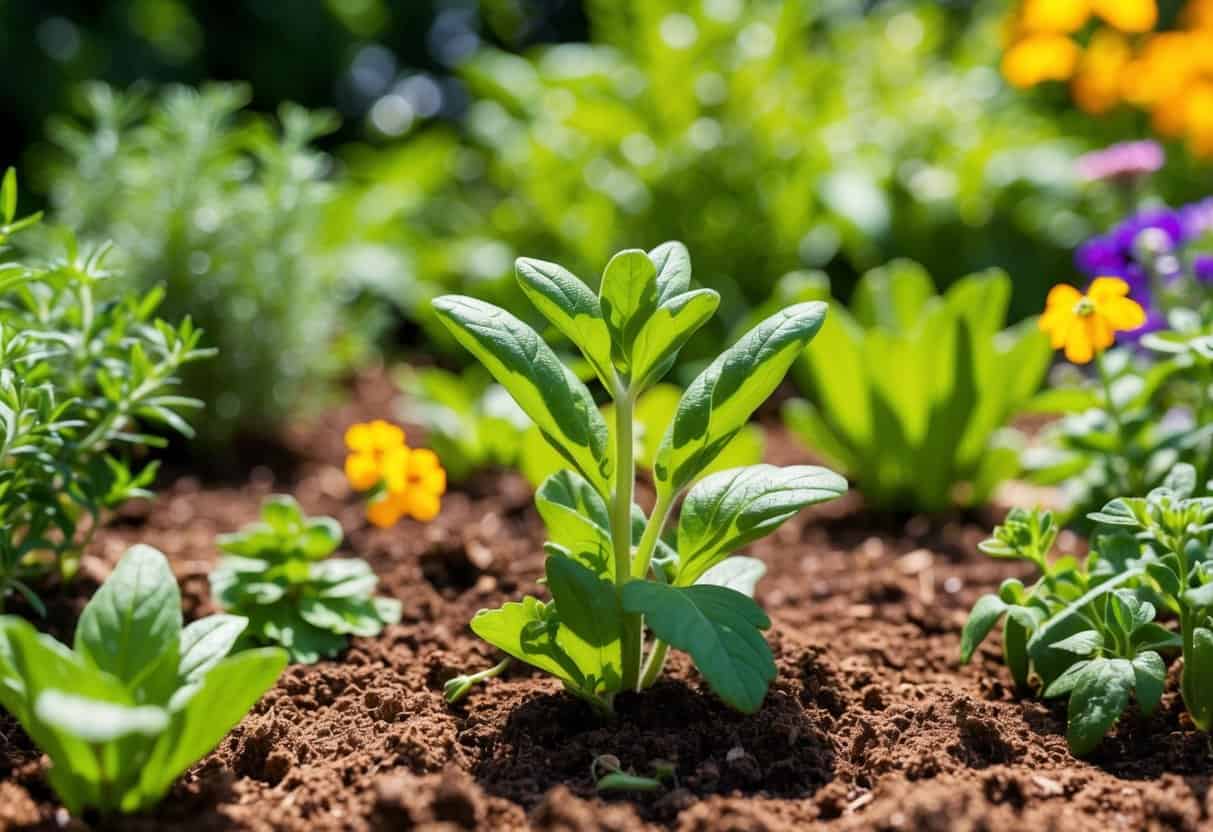
Tarragon (Artemisia dracunculus) is a perennial herb with slender, aromatic leaves and a subtle anise flavor. Gardeners love it for its culinary uses and the way it brings pollinators buzzing into the yard.
French tarragon is the go-to for cooking. Russian tarragon is tougher to kill but doesn’t have as much flavor. Both types add a gentle, herbal note to sauces, soups, and chicken dishes.
Tarragon Growth Habits
Tarragon grows as a bushy, upright perennial. If you give it what it needs, it’ll stick around for years.
The thin, glossy leaves smell strongest in summer. It pops up in spring and can shoot up to 24–36 inches (60–90 cm) tall by midsummer, spreading about 12–15 inches (30–38 cm).
Don’t expect flashy blooms. French tarragon’s flowers are usually sterile, so you can’t really grow it from seed.
You’ll need to start it from cuttings or divisions. It loves full sun but can handle a bit of shade.
Well-drained, sandy soil is best—wet, heavy soil is a no-go. In cooler spots, you’ll want to protect it from hard frosts, since French tarragon isn’t the hardiest.
Give your tarragon some space for air flow. That keeps mildew at bay and helps the plant stay healthy.
Growing Zones for Tarragon
USA:
- Zones 4–8, cool to mild climates
- French tarragon is perennial in these zones; mulch in colder areas for winter protection. In warmer zones, provide afternoon shade in summer.
Australia:
- Temperate and Mediterranean climates
- Thrives in mild, dry conditions; avoid humid tropical areas. Plant in well-drained soil and protect from excessive summer heat.
Varieties Of Tarragon
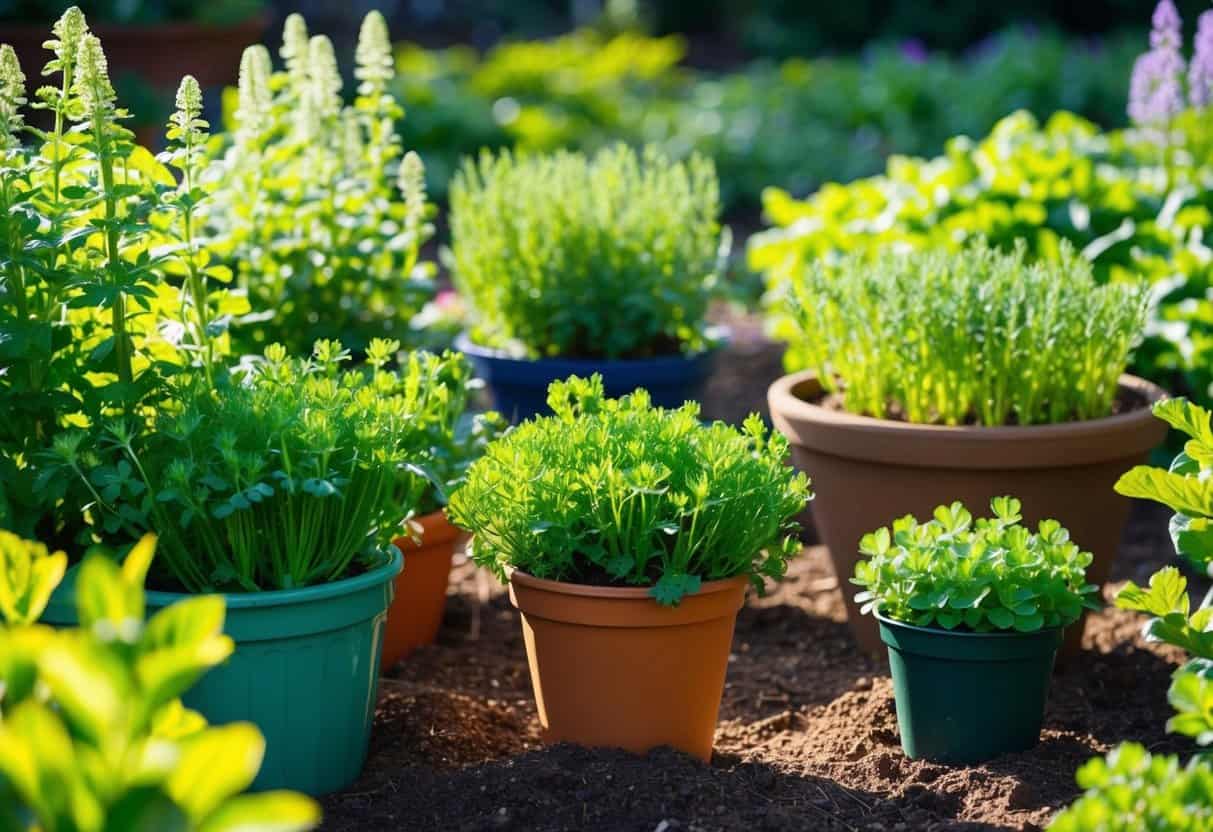
There are a few types of tarragon you’re likely to see in home gardens. Each has a different look and taste, so it’s worth thinking about what you want before you plant.
French Tarragon
Appearance: Slender stems, narrow and smooth bright green leaves.
Flavor: Classic licorice or anise, bold but not too much.
Best Use: The top pick for cooking—think sauces, chicken, and fish.
Russian Tarragon
Appearance: Taller and more sprawling, with broader, rougher leaves.
Flavor: Milder and sometimes grassy or a little bitter.
Best Use: Hardy in the garden or for making tea, but not as tasty for fancy recipes.
Mexican Tarragon
Appearance: Small, golden-yellow flowers and shiny, dark green leaves.
Flavor: Sweet, with anise notes and a hint of floral.
Best Use: Good for hot places and as a stand-in for French tarragon in recipes or teas.
Rare: Spanish Tarragon (Tagetes lucida)
Appearance: Bushy, small leaves, yellow-orange blossoms.
Flavor: Sweet, with a light touch of licorice and cinnamon.
Best Use: Sometimes used in desserts or liqueurs; handles heat well.
When you’re picking a variety, consider your climate and what you like to cook. French tarragon doesn’t grow from seed, so you’ll need a plant or cuttings. Russian and Mexican types are easier to start from seed and don’t mind hot, dry weather.
Choosing Tarragon for Your Garden
French tarragon is for classic recipes—buy plants, not seeds.
Russian tarragon is tough, grows from seed, and does well in rougher spots.
Mexican tarragon loves heat and brings color with its blooms.
If you can, taste the leaves before you plant—everyone has their favorite.


Planting Tarragon
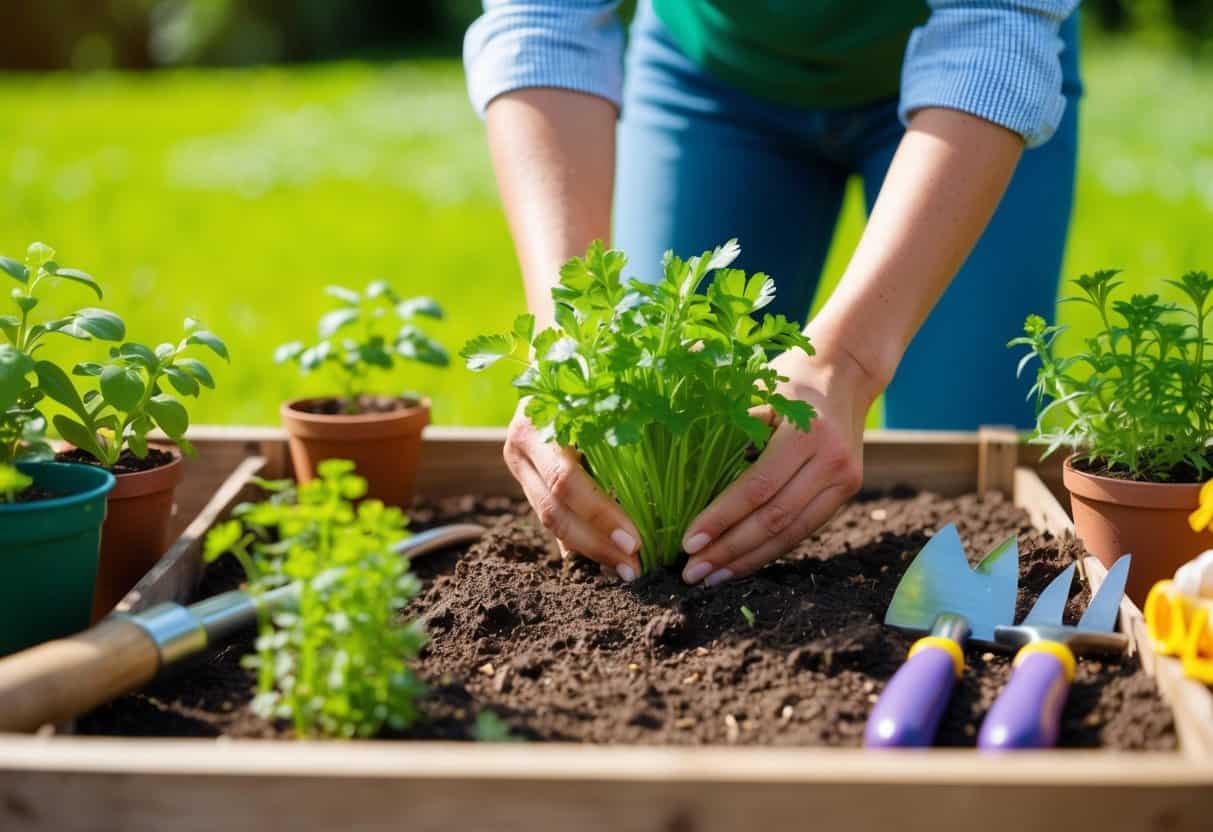
Tarragon likes good timing, a sunny spot, and soil that drains well. Deciding between seeds or plants, setting up containers, and learning how to start new plants will get you off to a good start.
When To Plant
Plant tarragon after the last frost in spring—cold snaps can really mess up new growth.
In cooler areas, wait until late spring when nights stay above 50°F (10°C). In places with mild winters, early fall works too.
If you’re starting from seed, sow indoors about 6–8 weeks before your final frost.
Harden off seedlings for at least a week before putting them outside.
If you want French tarragon, you’ll need to buy a plant or get a division—seeds won’t give you the real deal.
Where To Plant
Tarragon wants a warm, sheltered spot with full sun—six hours a day at least.
Use well-drained soil; sandy or loamy is best. Avoid heavy clay or spots where water hangs around after rain. That’s a recipe for root rot.
Add compost, but skip manure or super rich fertilizers.
Aim for a soil pH around 6.5–7.0.
Pick a spot out of strong wind—tarragon stems can be a bit flimsy.
If your ground stays soggy, go for raised beds or toss in some sand to help drainage.
Container/Small-Space Growing
Tarragon’s happy in containers, so it’s perfect if you’ve only got a patio or balcony.
Use a pot at least 12 inches (30 cm) wide with drainage holes.
Fill it with regular potting soil mixed with sand or perlite for drainage.
Make sure your pot gets plenty of sun during the day.
Water only when the top inch of soil feels dry. Don’t let the pot sit in water.
Every couple years, divide or re-pot to keep it vigorous.
Growing in pots also keeps tarragon from spreading everywhere and makes harvesting a breeze.
How To Plant
Your planting method depends on whether you’re using seed, a transplant, or a division. French tarragon? Skip the seeds—go for a plant or division if you want that classic taste.
Seed Sowing (for Russian tarragon):
- Sprinkle seeds thinly on moist, well-drained soil indoors.
- Just barely cover with soil or vermiculite.
- Keep warm (65–70°F / 18–21°C) and moist. Germination takes about 10–14 days.
- Move outside after frost is gone.
Transplants or Divisions:
- Space plants 18–24 in (45–60 cm) apart.
- Dig a hole just big enough for the roots.
- Plant at the same depth as the pot.
- Water well, then let the soil dry a bit between watering.
Firm the soil and mulch to keep weeds down and moisture in—just don’t pile mulch against the stems.
Propagation
French tarragon needs to be divided or grown from cuttings, since seeds don’t really work.
Division:
- In early spring, dig up a mature plant.
- Gently split the root ball so each piece has a stem and roots.
- Replant right away at the same depth.
Stem Cuttings:
- In late spring or early summer, snip a healthy 4–6 inch (10–15 cm) shoot.
- Remove lower leaves, dip the end in rooting hormone if you want.
- Stick it in moist, sandy potting mix.
- Cover with a plastic bag or dome until roots show up—usually in 2–3 weeks.
If you’re growing Russian tarragon, seeds work, but the flavor’s not as strong. For the best taste and plant health, stick with divisions or cuttings.
Care And Maintenance Of Tarragon
Tarragon needs steady but not fussy attention. Water deeply but don’t drown it, feed it a little, and trim it now and then to keep it bushy and flavorful.
Watering Needs
Tarragon likes dry conditions. It struggles in soggy soil.
Too much water can cause weak growth or even root rot. Let the soil mostly dry out between watering, then water deeply.
Mulch lightly with coarse sand or fine gravel for better drainage and cooler roots.
Fertilizer
Tarragon isn’t a heavy feeder. Rich soil or too much fertilizer makes it spindly and less tasty.
Skip high-nitrogen fertilizers—they’ll give you lots of leaves, but not much flavor.
Pruning
Regular pruning keeps tarragon bushy. It also gives you more tender shoots for cooking.
Every 2–3 years, dig up and divide your plants in spring to keep them vigorous and flavorful.
Tarragon Problems And How To Fix Them
Tarragon can run into a few issues, but most are avoidable with the right care. Good airflow, smart watering, and the right soil make a big difference.
Pests
Aphids
Symptoms: Tiny green or brown bugs on stems or leaves. Leaves might look curled, sticky, or stunted.
Solution: Rinse plants gently with water or spritz with soapy water. Ladybugs are great helpers for aphid control.
Spider Mites
Symptoms: Fine webs under leaves. Leaves turn yellow or get speckled.
Solution: Mist plants to raise humidity. Wipe leaves with a damp cloth or spray with neem oil. Remove badly affected leaves.
Animals (Deer, Rabbits, Birds)
Symptoms: Chewed stems or missing leaves.
Solution: In the US and Australia, rabbits and deer usually ignore tarragon, but birds might nibble new shoots. Use netting or covers if you spot damage.
Diseases
Root Rot
Symptoms: Yellow leaves, wilting, slow growth, mushy roots if soil stays wet.
Solution: Don’t overwater. Use well-draining soil or raised beds. Make sure pots have drainage holes and don’t sit in water.
Downy Mildew
Symptoms: Gray fuzz under leaves. Leaves may yellow and fall off.
Solution: Water early in the day and only at the base. Space plants for better airflow. Remove and toss infected leaves.
Powdery Mildew
Symptoms: White powdery spots on leaves.
Solution: Prune for airflow, avoid wetting leaves, and use a baking soda spray if it spreads.
Growing Problems
Yellow Leaves
Symptoms: Leaves turn yellow, usually from too much water or poor drainage.
Solution: Check drainage and only water when the top inch of soil feels dry.
Slow Growth
Symptoms: Thin stems or barely any new leaves.
Solution: Tarragon likes soil that isn’t too rich. Don’t over-fertilize, and give it sun.
Limp Stems
Symptoms: Wilting stems, often from soggy soil or sudden cold snaps.
Solution: Let soil dry out a bit between watering. Bring pots inside if frost is coming.
Spot & Fix Tarragon Problems
Always check soil moisture before watering.
Look for pests weekly and get rid of them early.
Remove bad leaves as soon as you see trouble.
Give your tarragon enough space for good airflow.
Harvesting Tarragon
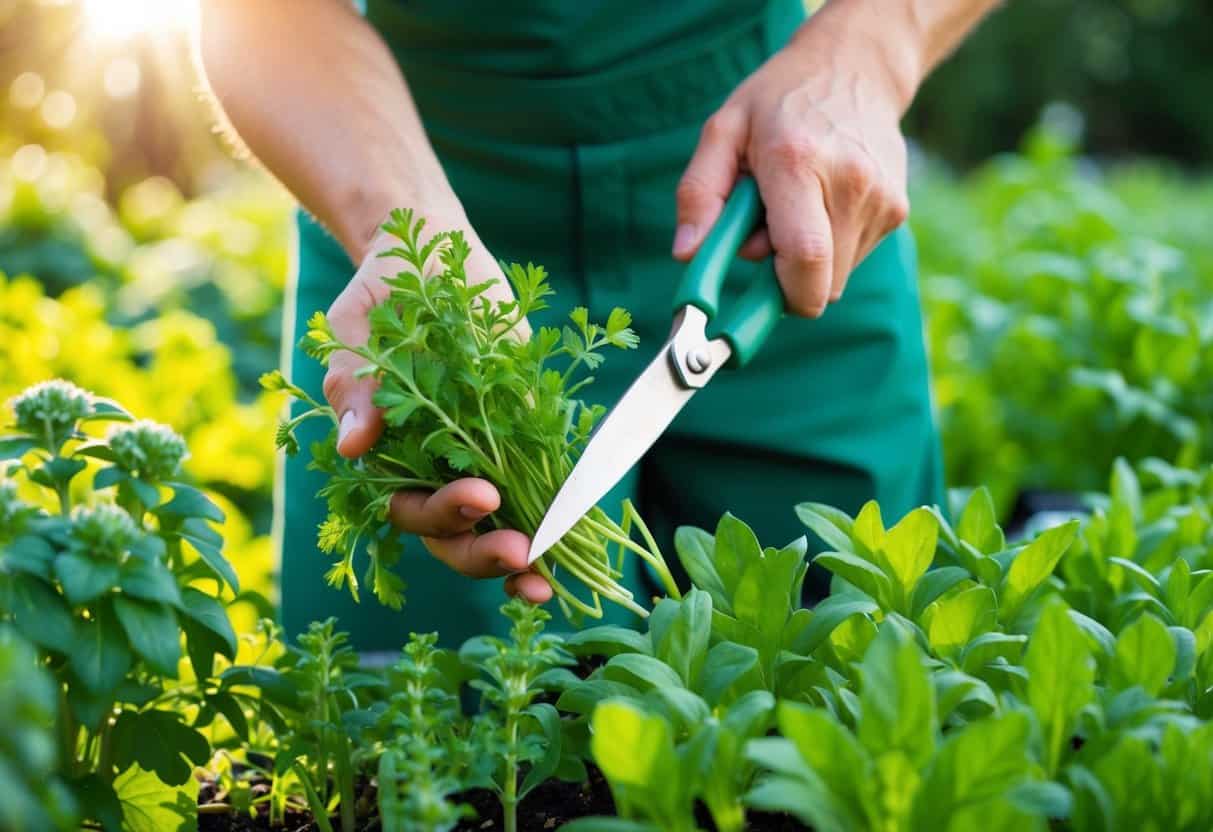
Tarragon’s aromatic leaves are at their best when picked young and fresh. The right harvest timing really matters if you want full flavor and healthy plants for next year.
When To Harvest
You can start picking tarragon leaves from late spring until early autumn. Wait until the plant is about 8 inches (20 cm) tall and has plenty of leafy shoots.
For the best taste, harvest before it starts to flower. Leaves are most tender and full of oils just before blooming.
If you get cold winters, stop harvesting about a month before your first frost so the plant can wind down.
Tips for perfect timing:
- Pick in the morning, after the dew dries but before the heat kicks in.
- Don’t take more than one-third of the plant at a time. That way, it regrows well.
- Harvest a little at a time from early summer through late August for a steady supply.
How To Harvest
Use clean, sharp scissors or shears to avoid damaging stems. Cut sprigs just above a set of leaves—this keeps the plant bushy and compact.
Step-by-step harvesting:
- Hold a stem and snip the top 4–6 inches (10–15 cm) just above a leaf node.
- If you just want a few leaves, pinch them off with your fingers.
- Take sprigs as needed, or cut a bunch if you want to dry some for later.
Best-practice tips:
- Remove any yellow or damaged leaves as you go.
- To dry tarragon, bundle stems and hang them upside down in a warm, dry spot with airflow.
- Always use clean tools to prevent spreading disease.
Storing Tarragon
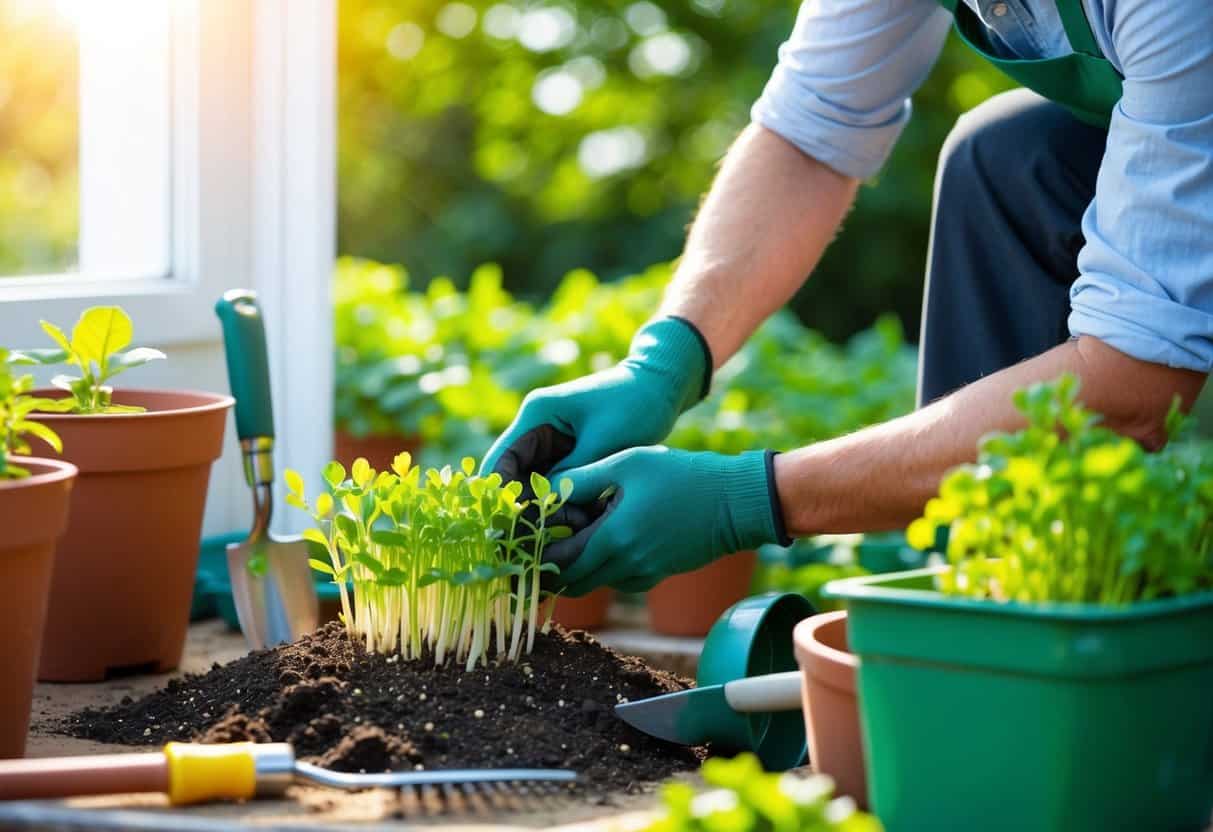
After harvesting, keeping tarragon flavorful and fresh is key. There are a few good ways to store it, depending on when you plan to use it
Tarragon Storage Methods
Fresh Refrigeration
Duration: Up to 1 week
Best For: Daily cooking, salads, or as a garnish
Wrap stems in a damp paper towel and tuck them in a plastic bag in your fridge’s crisper.
Freezing
Duration: 3 to 6 months
Best For: Keeping the fresh taste for soups, sauces, or cooked dishes
Chop leaves and freeze in ice cube trays with water or olive oil, then store cubes in a sealed bag.
Drying
Duration: Up to 1 year
Best For: Long-term storage, spice mixes, or tea
Hang bunches upside down in a cool, dry spot out of the sun. Once dry, crumble leaves into an airtight container and keep somewhere dark.
Herb Vinegar or Oil
Duration: Up to 6 months
Best For: Salad dressings, marinades, or seasoning
Put clean, dry sprigs in a bottle of white wine vinegar or a mild oil. Store in a cool, dark cupboard.
Preservation Tips
Always use clean, dry tarragon for storage.
Label containers with the date so you know how fresh it is.
Keep dried tarragon away from heat and moisture for the best flavor.
Benefits and Uses of Tarragon
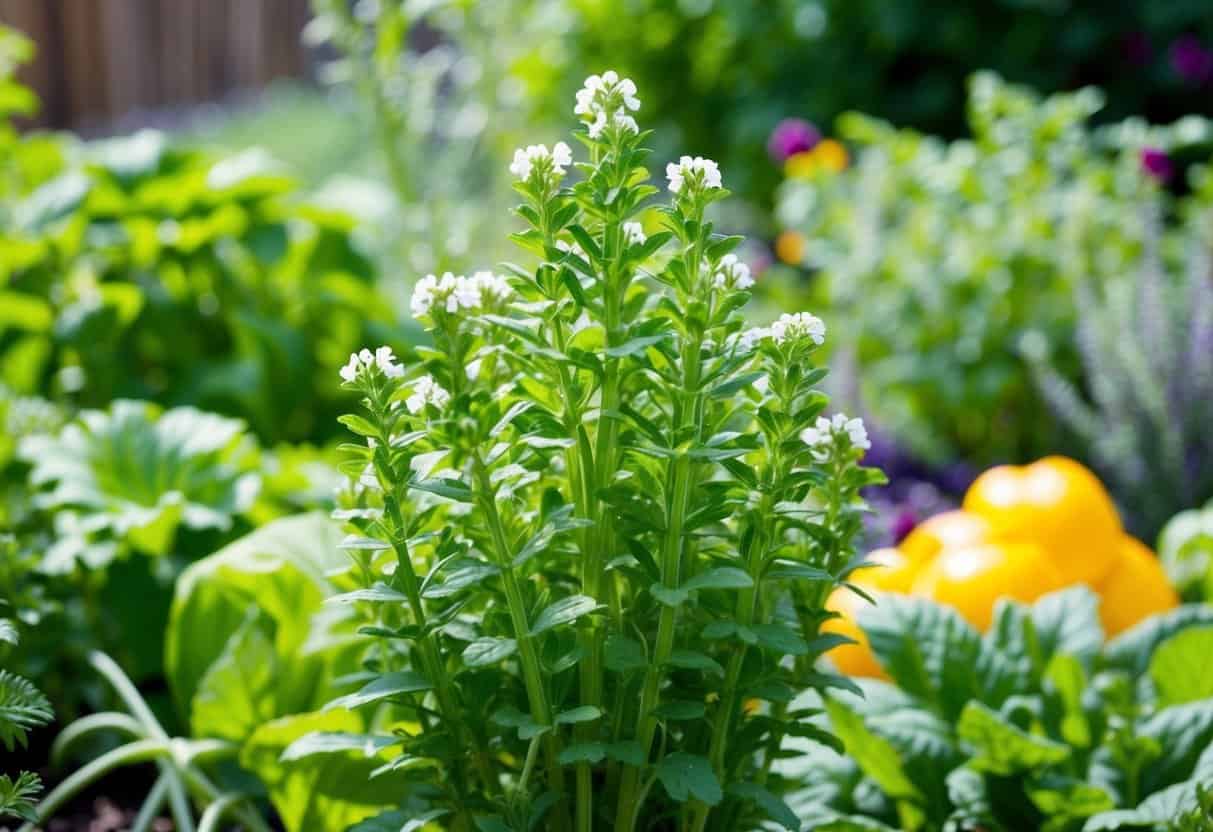
Cooking With Tarragon
Tarragon’s taste is a little sweet, almost anise-like. It’s a classic match for:
- Chicken
- Eggs
- Fish
- Vinegars and mustards
Add fresh tarragon to salads, swirl it into creamy sauces, or sprinkle as a garnish on veggies. It’s essential for French Béarnaise sauce and fines herbes blends.
For storage, snip leaves and wrap them in a damp paper towel in a sealed bag in the fridge—good for up to a week. You can freeze or dry them, but honestly, some flavor fades that way.
Try infusing vinegar with tarragon for dressings, or mix chopped leaves into butter. It’s great on warm bread or grilled corn if you’re feeling adventurous.
Family Recipes
Here are some favorite ways families in the US and Australia use tarragon in everyday cooking:
Creamy Tarragon Chicken
Pan-sear chicken breasts, then simmer them with cream, Dijon mustard, and a handful of chopped fresh tarragon. The sauce is rich, and honestly, it's hard not to sneak a spoonful before serving.
Egg Salad with Tarragon
Stir chopped tarragon into egg salad. It adds a fresher, almost surprising aroma—way more interesting than the usual.
Tarragon Potato Salad
Toss boiled baby potatoes with Greek yogurt, tarragon, and chives. It's a lighter, brighter take on the classic side, and honestly, it disappears fast at picnics.
Grilled Fish with Tarragon-Lemon Butter
Serve grilled white fish with a quick sauce of butter, lemon zest, and minced tarragon. It’s simple but feels a little fancy.
Herbed Vinegar (Australian-Style)
Steep a sprig of fresh tarragon in white wine vinegar. Use it as a salad dressing base or a marinade—just a little goes a long way.
Try This: Sprinkle fresh tarragon over oven-roasted carrots or beets in the last few minutes of cooking. It gives a gentle, herby finish that’s kind of addictive
Frequently Asked Questions
Tarragon is a versatile herb that can be tricky to start, but honestly, it's pretty easy to care for once it's settled in. Things like propagating from cuttings, container care, and companion planting can help you succeed—indoors or out.
Can you describe the process of propagating tarragon from cuttings?
Take softwood cuttings (about 4–6 inches / 10–15 cm) in late spring or early summer. Use clean, sharp scissors and snip just below a leaf node.
Remove the lower leaves and dip the cut end in rooting hormone powder. Pop it into moist potting mix and cover with a clear plastic bag to keep humidity up.
Keep the pot in a bright, indirect spot until you see new growth. Mist as needed so the soil stays damp, but don’t let it get soggy.
What steps should you follow to successfully grow tarragon from seeds?
Only Russian tarragon will grow from seed, since French tarragon makes sterile flowers. Sow seeds thinly on the surface of damp seed-starting mix.
Lightly cover with a sprinkle of soil. Keep the tray somewhere warm (about 65–70°F / 18–21°C) and mist gently to keep things moist.
Once seedlings have a few true leaves, thin them out or transplant to their final spots after the last frost.
What are some tips for growing tarragon indoors to have a year-round supply?
Pick a sunny windowsill—aim for at least 6 hours of light per day. If that’s not happening, a grow light works too.
Plant tarragon in a pot with drainage holes using a free-draining potting mix. Turn the pot every few days so it grows evenly (plants lean toward the light, don’t they?).
Feed monthly with half-strength liquid fertilizer. Trim stems often to keep it bushy and avoid that floppy look.
Which companion plants thrive beside tarragon in a garden?
Tarragon gets along with most veggies, but especially loves hanging out with eggplant, tomatoes, and peppers. People often say it helps keep certain pests at bay, so it’s a handy herb to tuck into a mixed bed.
Nearby, you can plant other herbs like thyme, parsley, or oregano. They all like plenty of sun and soil that drains well.
Just steer clear of putting tarragon next to plants that need a ton of water. It’s not a fan of soggy roots.