

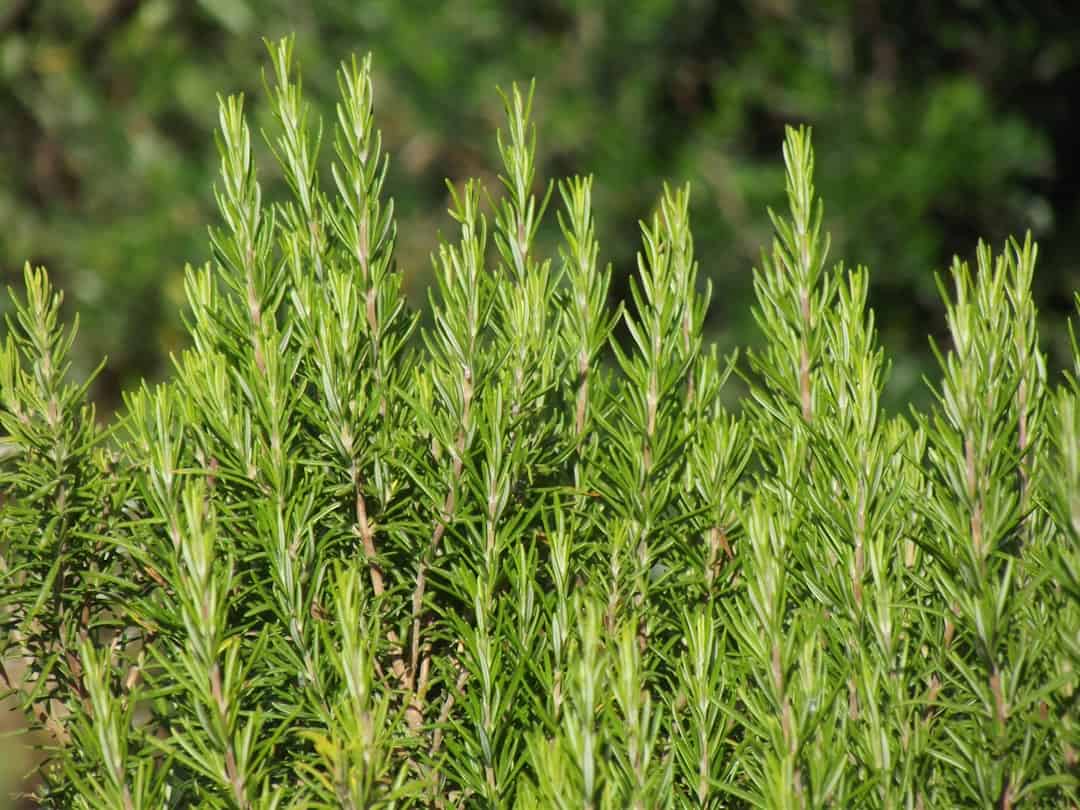
Thinking about growing a herb that's both tasty and easy? Rosemary might be just the thing. It's tough, grows easily from cuttings or young plants, and suits beginners or anyone curious about fresh flavors.
With a handful of simple steps, you'll have rosemary on hand all year. Doesn't matter if your space is a backyard or just a sunny balcony.
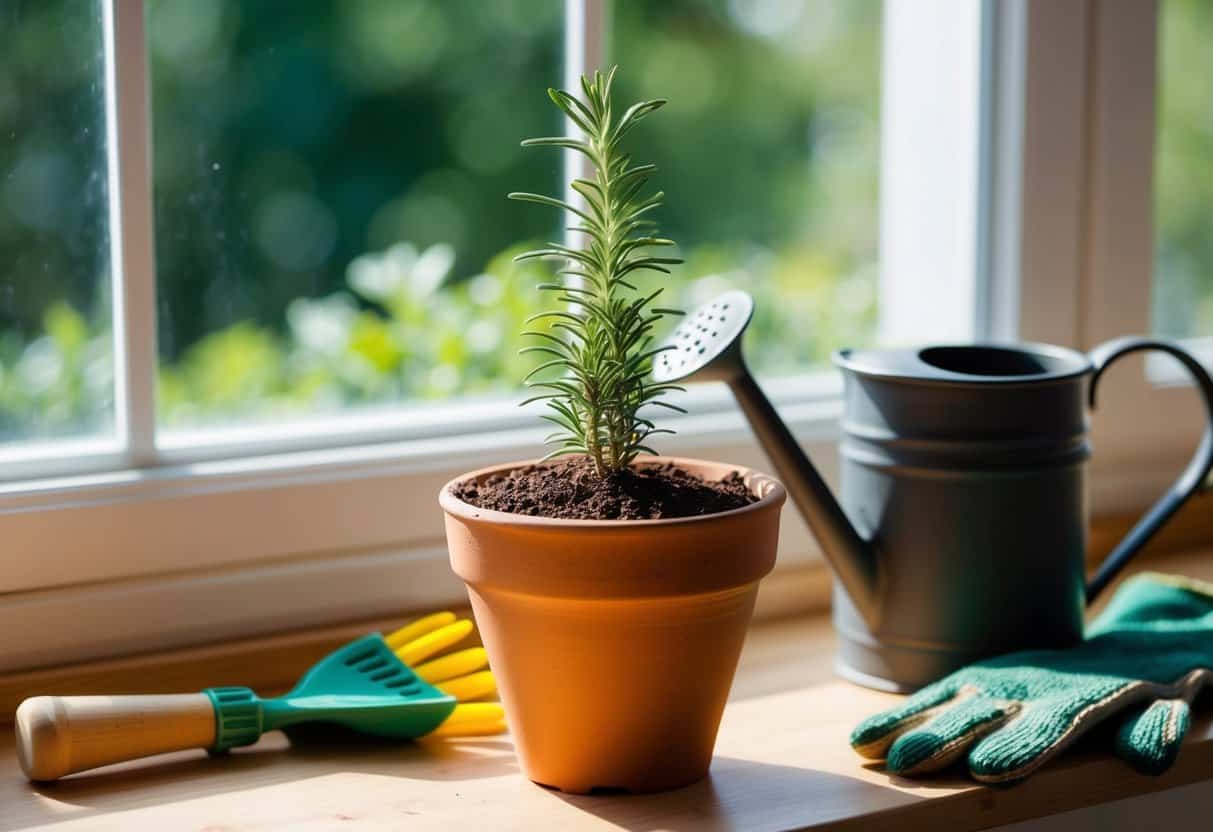
Rosemary's scent is kind of addictive, and those needle-like leaves look good in any pot or bed. It's useful for cooking, but honestly, sometimes I just like having it for the look and smell.
I grew my first rosemary from a cutting on the windowsill. Even now, grabbing a sprig for cooking feels like a small, everyday luxury.
Quick Tips for Rosemary
Best Time To Plant
Spring (after last frost) or fall (autumn) in mild climates
Sun / Lighting
Full sun (6–8 hours daily)
Spacing
118–24 in (45–60 cm) between plants
Soil Type / PH
Well-drained, sandy soil; pH 6.0–7.0
Container Info
Pot at least 6 in (15 cm) deep and 12 in (30 cm) wide, good drainage
Propagation
Cuttings or nursery-grown seedlings (seeds are slow to start)
About Rosemary
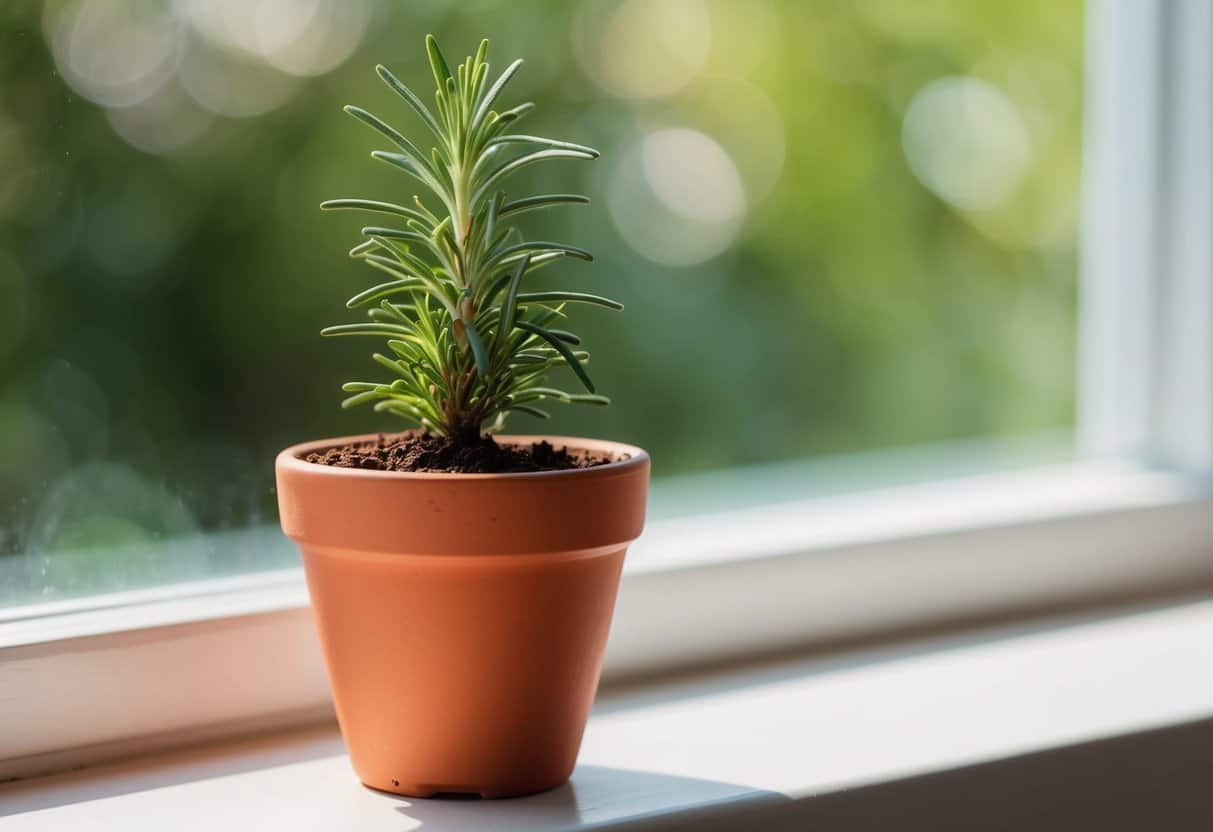
Rosemary (Rosmarinus officinalis) is a woody, evergreen perennial. It's a Mediterranean herb—aromatic, tough, and surprisingly versatile.
Rosemary Growth Habits
Rosemary grows into a bushy, upright shrub. The needles stay green year-round, and the plant loves warmth, sun, and soil that drains fast.
Spring kicks off the growing season when days hit 55–80°F (13–27°C). Once it settles in, rosemary shrugs off drought but hates soggy roots.
First year? Expect slow, steady growth while roots get established. The plant gets woodier over time and adds a piney scent to your garden or windowsill.
Prune it now and then to keep it healthy and encourage fresh, tender shoots.
Growing Zones for Rosemary
USA:
- Zones 7–10, mild to warm climates.
- Grows as a perennial in these zones; in colder areas (zone 6 and below), grow in pots and bring indoors for winter or provide heavy mulch.
Australia:
- Temperate, Mediterranean, and subtropical.
- Thrives in mild, dry climates; protect from heavy frosts and ensure good drainage.
Varieties Of Rosemary
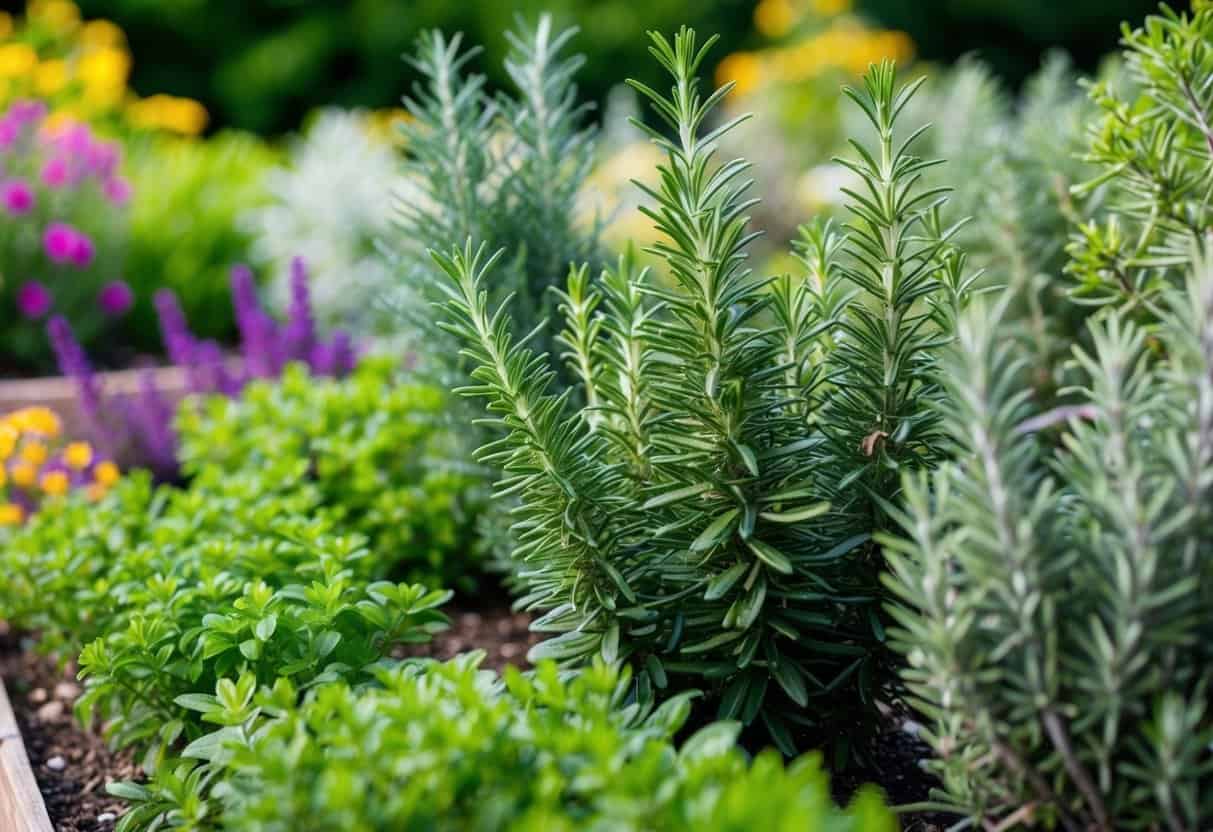
There are quite a few rosemary varieties, and each has its own look or taste. Most stay green all year and can bloom blue, white, or even purple.
Some types grow upright and tall; others sprawl low and wide. You can go classic or try something a little different—depends what you like.
Tuscan Blue (Salvia rosmarinus ‘Tuscan Blue’)
Appearance: Upright growth, deep green needle-like leaves, and bright blue flowers.
Flavor: Strong, classic rosemary aroma with a slightly sweeter note.
Best Use: Roasts, grilled meats, and as an ornamental hedge.
Arp (Salvia rosmarinus ‘Arp’)
Appearance: Upright, bushy plant with gray-green leaves and pale blue flowers; known for its cold hardiness.
Flavor: Robust, piney, and slightly lemony.
Best Use: Cold-climate gardens, stews, and marinades.
Prostrate (Trailing) Rosemary (Salvia rosmarinus ‘Prostratus’)
Appearance: Low-growing, trailing habit with soft green leaves and pale blue flowers.
Flavor: Milder than upright types, with a gentle piney taste.
Best Use: Ground cover, hanging baskets, and edging; also good for cooking.
Spice Island (Salvia rosmarinus ‘Spice Island’)
Appearance: Upright, compact form with rich green leaves and blue flowers.
Flavor: Especially aromatic and flavorful, with a spicy kick.
Best Use: Culinary dishes where a bold rosemary flavor is desired, such as breads and rubs.
Miss Jessopp’s Upright (Salvia rosmarinus ‘Miss Jessopp’s Upright’)
Appearance: Upright, compact form with rich green leaves and blue flowers.
Flavor: Especially aromatic and flavorful, with a spicy kick.
Best Use: Culinary dishes where a bold rosemary flavor is desired, such as breads and rubs.
Choosing the right rosemary? It kind of depends on what you want. If you need something tough for outdoor cooking, ‘Arp’ is a solid pick.
For small spaces or hanging pots, ‘Prostratus’ might be your best friend. If you’re in it for the flowers, ‘Lady in White’ or ‘Majorca Pink’ are lovely.
Tips For Variety Selection
Upright types are great for hedges or cooking
Prostrate types suit ground cover or hanging pots
Flower color can be blue, white, or purple—pick your favorite
Rare options like ‘Lady in White’ add a bit of flair
Match your plant to your local climate (see the table above for zones)


Planting Rosemary

Starting rosemary is pretty straightforward. You can use seeds, cuttings, or young plants from the nursery. Just get the timing right, pick a sunny spot, and make sure your soil or pot drains well.
When To Plant
Put rosemary outside when days stay above 55°F (13°C)—usually springtime. Wait until after the last frost, but before the heat of summer, so the plants can settle in.
If you want a head start, start seeds or cuttings indoors 6–8 weeks before the last frost.
Nursery seedlings? Plant when nights are warmer than 45°F (7°C). In mild climates, early fall (autumn) can also work.
Indoors, rosemary can grow any time—just give it lots of light.
Seeds are slow and need patience. Cuttings or young plants are much quicker to establish.
Where To Plant
Rosemary wants strong sun—aim for 6–8 hours a day. The roots like it dry, and air flow matters too.
Pick a spot with sandy or loamy soil that drains well. Avoid areas where water collects after rain—rosemary hates wet feet.
Raised beds or slopes help if your soil is heavy.
Space plants at least 2 ft (60 cm) apart for good air movement.
Container/Small-Space Growing
Rosemary does great in pots or containers, especially if you don't have much space. Containers make it easier to control soil and avoid root rot.
Go for a pot with drainage holes, at least 12 in (30 cm) wide and as deep as you can manage.
Mix regular potting soil with some coarse sand or perlite for drainage.
Let the soil dry a bit between watering, then soak thoroughly.
Put the pot somewhere sunny—a balcony, deck, or windowsill is perfect.
Give the pot a turn every now and then so the plant grows evenly, especially indoors.
How To Plant
You can start rosemary from seed, cuttings, or nursery seedlings. Each method has its quirks.
From seed:
- Press seeds onto well-drained soil—don’t cover them too much.
- Mist gently and keep warm (about 70°F/21°C).
- Germination can take 2–3 weeks or more.
- Thin out weak seedlings as they sprout.
Planting seedlings or nursery plants:
- Dig a hole just a bit wider than the root ball.
- Place the plant at the same depth it was in the pot.
- Fill in with soil and firm gently.
- Water lightly—don’t drown it.
For cuttings:
- Snip a non-flowering stem about 4 in (10 cm) long.
- Strip the leaves off the lower half.
- Dip in rooting hormone if you like, though it’s optional.
- Stick it in moist, well-drained mix and cover loosely with plastic.
- Roots show up in 2–4 weeks; then you can transplant.
Propagation
Most folks go with cuttings—they root fast and you know what you’re getting.
To propagate with cuttings:
- Take a healthy tip, 4–6 in (10–15 cm) long.
- Remove the lower leaves.
- (Optional) Dip in rooting hormone.
- Plant in a small pot with moist, well-draining soil.
- Cover loosely to keep humidity up.
- Set in a warm spot out of direct sun.
Roots usually pop up in about 3 weeks. Once new growth appears, take off the cover and treat it like any young rosemary.
Seed propagation notes:
Seeds can be unpredictable and slow. You might get a little more variety in growth and scent, but patience is key. Thin out the weaker seedlings. Cuttings, on the other hand, give you a clone of the parent—no surprises.
Care And Maintenance Of Rosemary
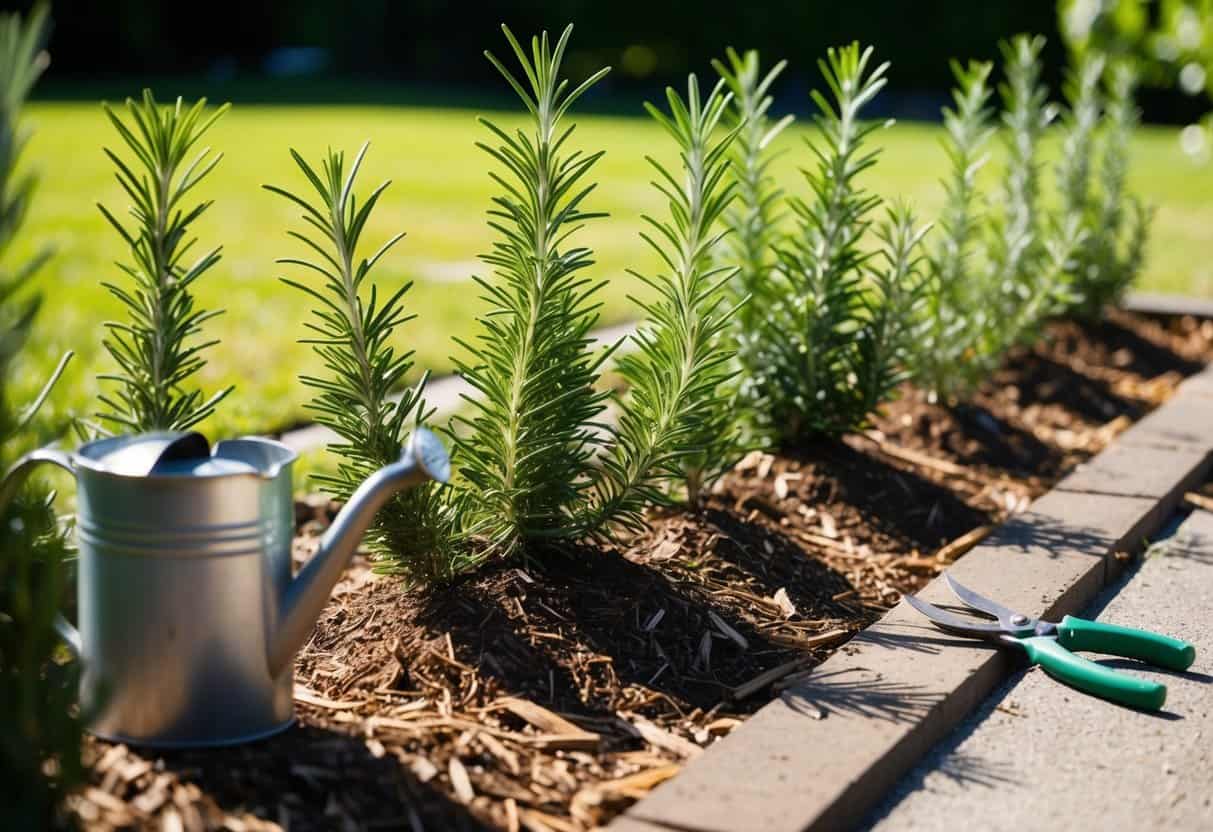
Rosemary doesn't ask for much. Stick to simple care—water when dry, don’t fuss with fertilizer, and prune to keep it bushy and tidy.
Watering Needs
Rosemary needs less water than most herbs, making it a great drought-tolerant pick for sunny gardens. The plant likes to dry out between waterings—its roots will rot if they sit in soggy soil.
In warmer months, check the soil every few days by sticking your finger about an inch (2.5 cm) down. If it feels dry, water deeply.
Growing rosemary in containers? Make sure there are drainage holes. Terra cotta pots are a good bet since they let soil dry out faster.
Fertilizer
Rosemary isn’t a heavy feeder. Too much fertilizer can actually make the flavor weaker and the plant leggy.
Healthy rosemary gets what it needs from good, well-drained potting mix or garden soil. If your plant looks pale or isn’t growing much, a little natural compost can help.
Too much fertilizer leads to floppy stems and a weaker plant. Less is almost always better.
Pruning
Pruning shapes your rosemary, encourages new growth, and keeps it from turning woody inside. Spring or after your last frost is the best time, but you can trim for harvest year-round.
Snipping what you need for the kitchen also counts as pruning. Two birds, one stone.
Rosemary Problems And How To Fix Them
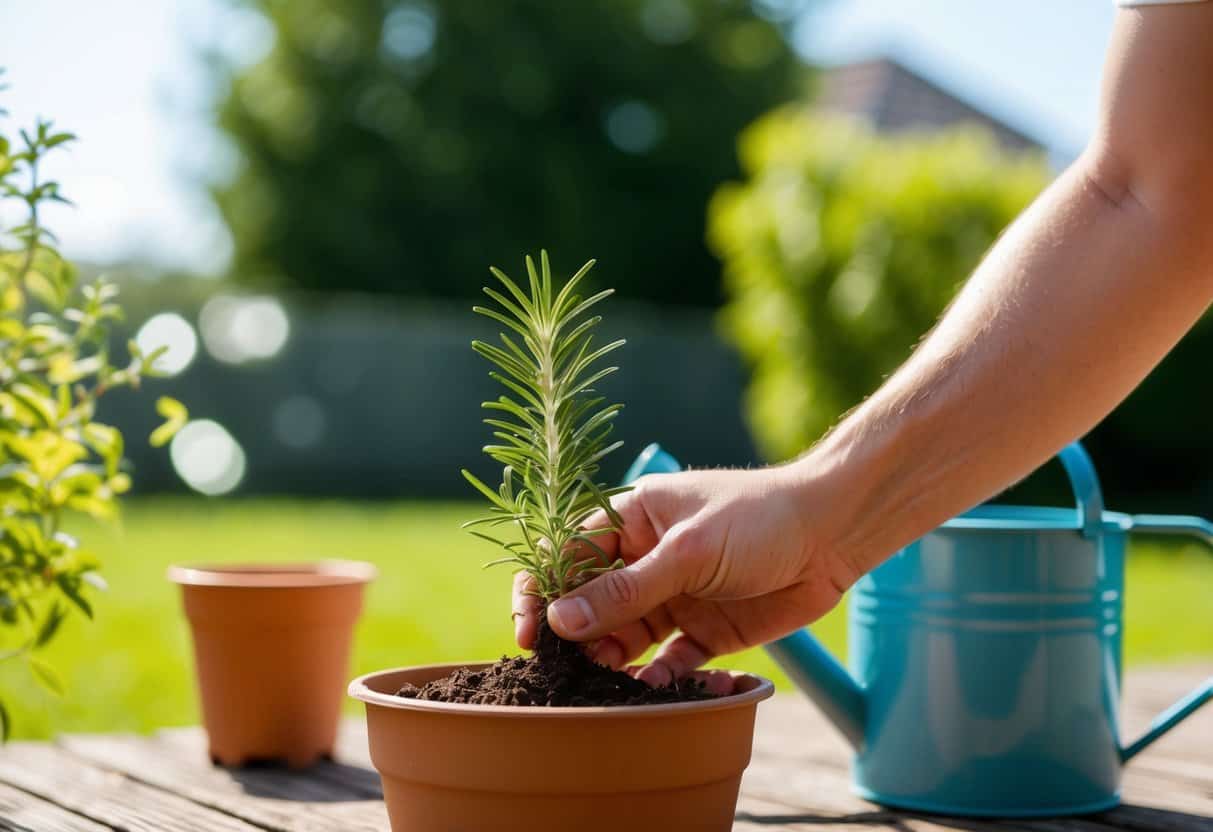
Rosemary’s pretty tough, but it’s not invincible—especially indoors or in winter. You might run into pests, diseases, or issues like overwatering, freezing, or yellow leaves
Pests
Rosemary is fairly pest-resistant, but a few bugs can cause issues, especially indoors or in stressed plants.
Aphids
Symptoms: Clusters of tiny green, black, or brown insects on new growth; leaves may curl or feel sticky.
Solution: Spray with a strong jet of water, use insecticidal soap, and encourage beneficial insects like ladybugs.
Spider Mites
Symptoms: Fine webbing on leaves, yellow speckles, or dry, stippled foliage—especially in hot, dry conditions.
Solution: Increase humidity, rinse leaves regularly, and use insecticidal soap if needed.
Whiteflies
Symptoms: Tiny white insects that fly up when the plant is disturbed; sticky residue on leaves.
Solution: Use yellow sticky traps, rinse plants, and introduce beneficial insects if possible.
Check your rosemary regularly, especially if growing indoors or in greenhouses.
Diseases
Most rosemary diseases are related to excess moisture or poor air circulation.
Root Rot
Symptoms: Wilting, yellowing leaves, and mushy, brown roots; plant may collapse suddenly.
Solution: Ensure really good drainage, avoid overwatering, remove and discard seriously affected plants.
Powdery Mildew
Symptoms: White, powdery coating on leaves and stems.
Solution: Improve air circulation, avoid overhead watering, and remove infected parts promptly.
Botrytis (Gray Mold)
Symptoms: Gray, fuzzy mold on stems or leaves, often after cool, damp weather.
Solution: Remove affected parts, increase airflow, and avoid crowding plants.
Water rosemary at the base and let the soil dry out between waterings to prevent most fungal issues.
Growing Problems
Rosemary is generally easy-going, but a few environmental factors can slow it down.
Yellowing Leaves
Symptoms: Lower leaves turn yellow or drop off.
Solution: Check for overwatering or poor drainage; rosemary prefers to dry out between waterings.
Leggy or Sparse Growth
Symptoms: Stems are long and weak, with fewer leaves.
Solution: Move to a sunnier spot—rosemary needs at least 6 hours of direct sunlight. Prune regularly to encourage bushiness.
Winter Damage
Symptoms: Browning or blackening of leaves after frost or cold snaps.
Solution: Protect plants with mulch, bring pots indoors, or cover with frost cloth in cold weather.
For the healthiest rosemary, give it full sun, well-drained soil, and avoid over-watering. Regular pruning keeps plants dense and productive.
Harvesting Rosemary

For the best flavor, timing and method matter. Healthy rosemary gives you a steady harvest for cooking year-round if you know when and how to cut
When To Harvest
You can pick rosemary pretty much any time once your plant is big enough. For peak flavor, cut in late spring or summer—right before or as it starts to flower, when the oils are strongest.
Look for young, green stems with a strong aroma. These taste best.
Don’t strip old, woody parts—they don’t regrow well and can weaken the plant. Wait until branches are at least 8–12 inches (20–30 cm) long with healthy tips.
Usually, after its first full season outside, the plant’s ready for a bigger harvest. For everyday use, just snip a few sprigs at a time, but never take more than a third of the plant at once.
How To Harvest
Use sharp scissors or hand pruners. Cut 4–6 inch (10–15 cm) sprigs from the tips, aiming for soft, green growth.
For the best flavor, harvest mid-morning after the dew dries but before the heat kicks in.
Prune regularly to shape the plant and boost your harvest over time.
Storing Rosemary
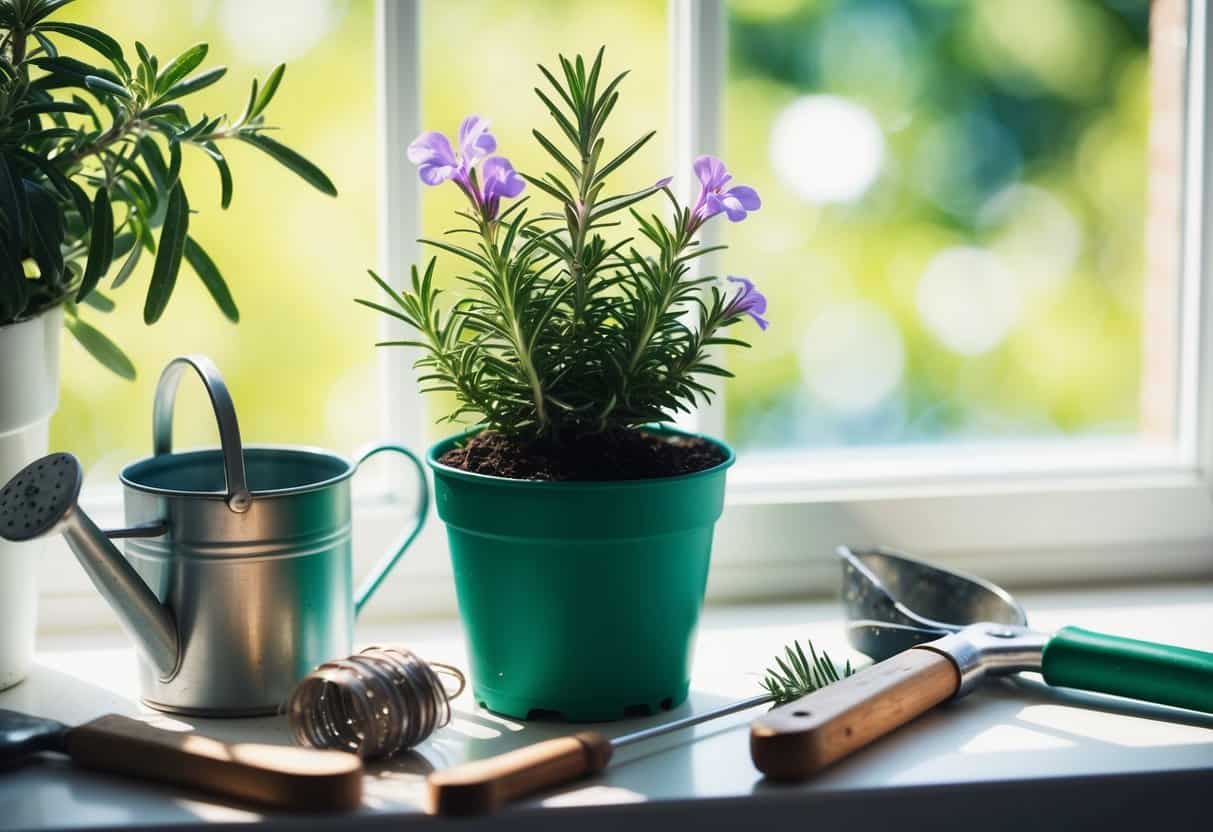
Proper storage keeps rosemary’s bold aroma and flavor ready for your kitchen, whether you’re using it right away or saving some for later. Here’s how to make the most of your harvest:
Refrigerator Storage
Duration: 1–2 weeks
Best For: Fresh use in roasts, marinades, and breads
Wrap rosemary sprigs in a damp paper towel and place them in a plastic bag or airtight container in the fridge. Alternatively, stand the stems upright in a glass of water and cover loosely with a plastic bag.
Freezing
Duration: Up to 6 months
Best For: Cooking, soups, stews, and baked dishes
Strip the leaves from the stems and freeze them in ice cube trays with a little water or olive oil. Once frozen, transfer cubes to a freezer bag for easy use.
Drying
Duration: 6–12 months
Best For: Long-term storage and seasoning blends
Tie rosemary stems into small bunches and hang them upside down in a warm, dry place until the leaves are crisp. Store dried rosemary in an airtight jar away from light and heat.
Properly stored rosemary means you’ll always have that savory, piney flavor on hand—no matter the season!
Benefits and Uses of Rosemary
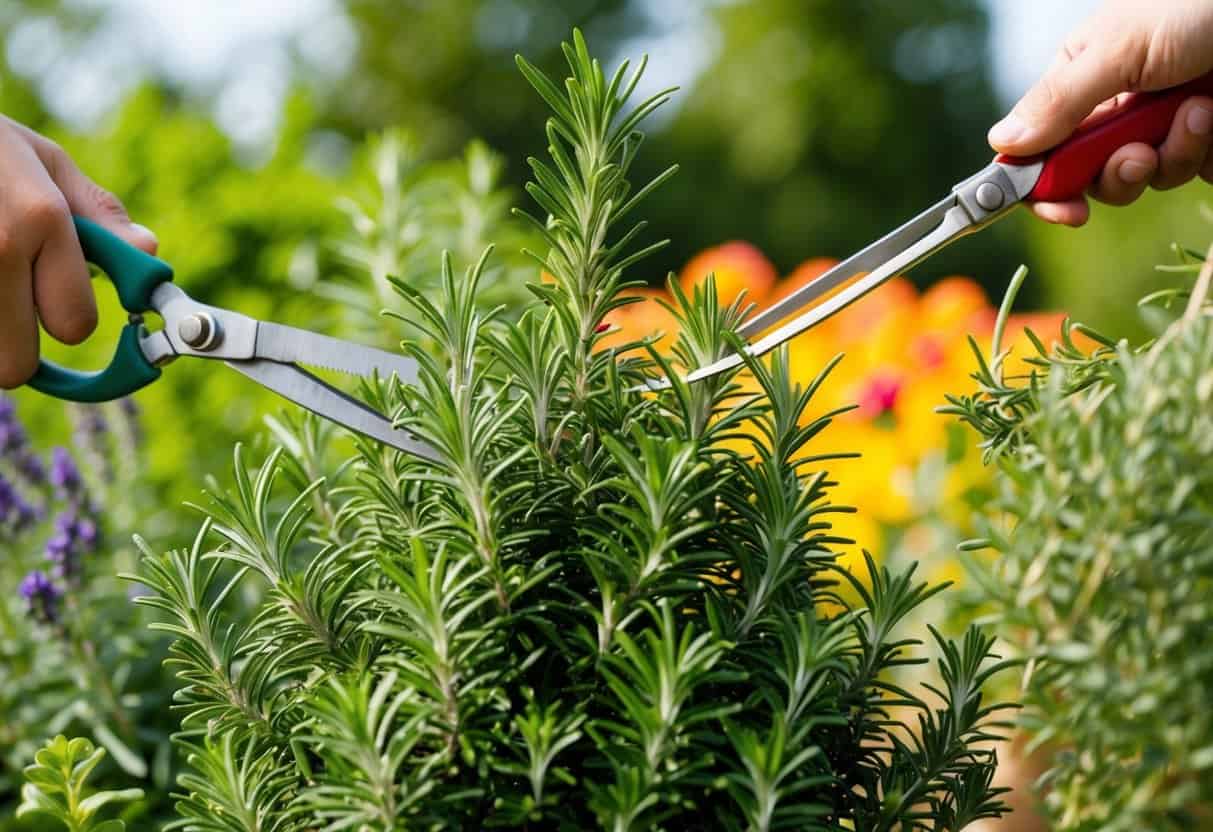
Rosemary stands out for its rich aroma and the punch it brings to food, fresh or dried. It’s a simple way to brighten up your family’s dinners and homemade treats, honestly.
Cooking With Rosemary
Fresh rosemary brings an earthy, piney flavor to food. Toss whole sprigs with roasted lamb, chicken, or potatoes for a real boost.
Chopped rosemary works well in bread dough. It’s also great stirred into soups and beans.
If you’re into homemade sauces, try adding a bit to tomato or cream-based recipes. It’s a small touch that goes a long way.
Rosemary’s good for tea too. Steep fresh or dried leaves for a soothing, herbal drink with a gentle kick.
The plant’s flowers attract bees and other pollinators, so it’s a win for gardens.
Family Recipes
Rosemary pops up in all sorts of classic meals. It adds depth, or sometimes just a fresh, woodsy twist.
Easy Rosemary Lemon Chicken
Mix rosemary, lemon, garlic, and olive oil. That’s your marinade—bright, punchy, and simple.
Classic Bean and Rosemary Soup
Simmer white beans with onion, garlic, and rosemary. It’s hearty and comforting, especially on cold days.
Rosemary Garlic Breadsticks
Bake dough with chopped rosemary and garlic. You’ll end up with soft, fragrant breadsticks—hard to resist, honestly.
Homemade Rosemary Butter
Blend soft butter with minced rosemary. Spread it over cooked meats or steamed veggies for a quick upgrade.
Try This:
Steep rosemary sprigs in hot water, chill, and stir into lemonade. It’s an easy way to make a refreshing drink that feels a little fancy.
Frequently Asked Questions
Growing rosemary can start small—just a pot on your balcony or a patch in your yard. There’s something satisfying about those sturdy green stems reaching for the sun.
You’ll catch that familiar, woodsy scent every time you brush past. Each season, you’ll notice something new, whether it’s fresh growth or those fragrant sprigs ready for the kitchen.
What tips do you have for successfully growing rosemary indoors?
Pick the sunniest window you’ve got—rosemary craves light. If that’s not enough, a grow light works too.
Let the soil dry out a bit between watering. Avoid drafts and dry air; a pebble tray with water under the pot can help with humidity.
What's the best way to harvest rosemary without harming the plant?
Use sharp scissors or pruners and cut just above a leaf node. Never take more than a third of the plant at once.
Pick in the morning after the dew dries. Regular harvesting actually encourages bushier growth, so don’t be shy.
Could you explain how to grow rosemary in colder climates?
If you live somewhere with harsh winters, rosemary can be tricky. Most folks find it easier to grow the plant in pots, so you can just bring it inside before things get icy.
Set your pots by a sunny window, or even under a grow light if you’ve got one. Rosemary likes a lot of light, especially during those gloomy winter months.
Want to risk leaving it outside? You’ll need to cover the plant with a frost cloth. Mulching the base pretty heavily helps trap a bit of warmth, too.
Some varieties are a bit tougher and can handle a light frost. Still, I wouldn’t push your luck if it gets really cold where you are.