

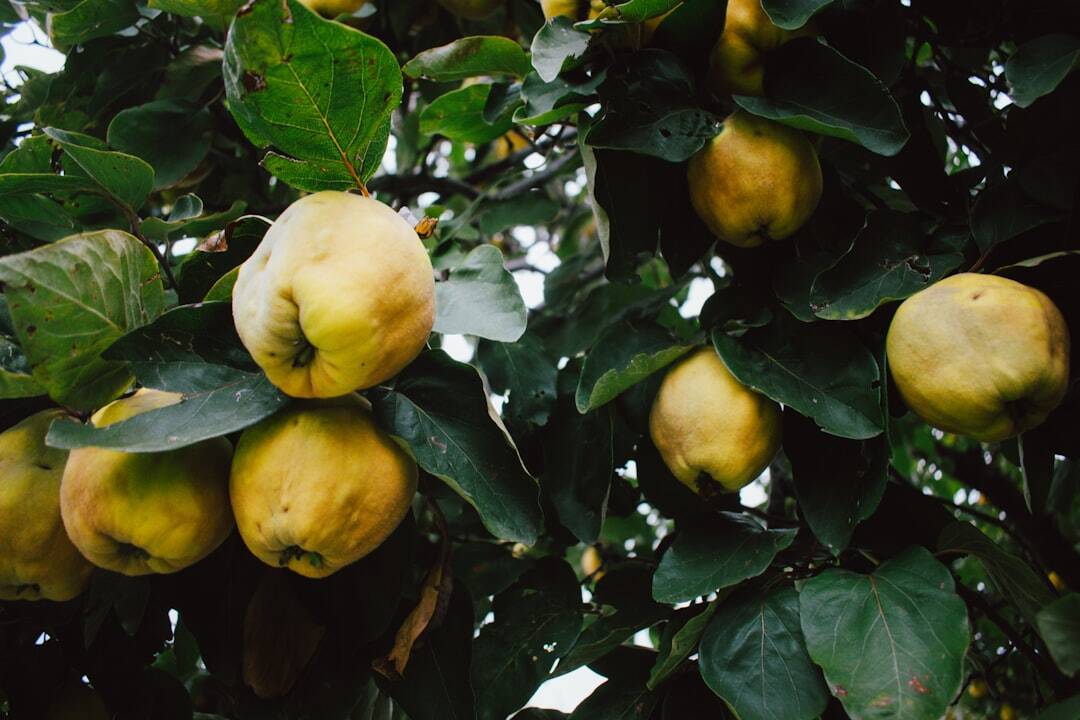
Ever thought about growing your own fruit for homemade jams, cozy desserts, or even savory dishes? Quinces are small, good-looking trees that don’t ask for much and give you something truly special—fragrant, golden fruit with a flavor that’s hard to describe until you’ve tried it.
You can grow quinces at home by planting them in a sunny, sheltered spot and giving them a bit of attention throughout the year.
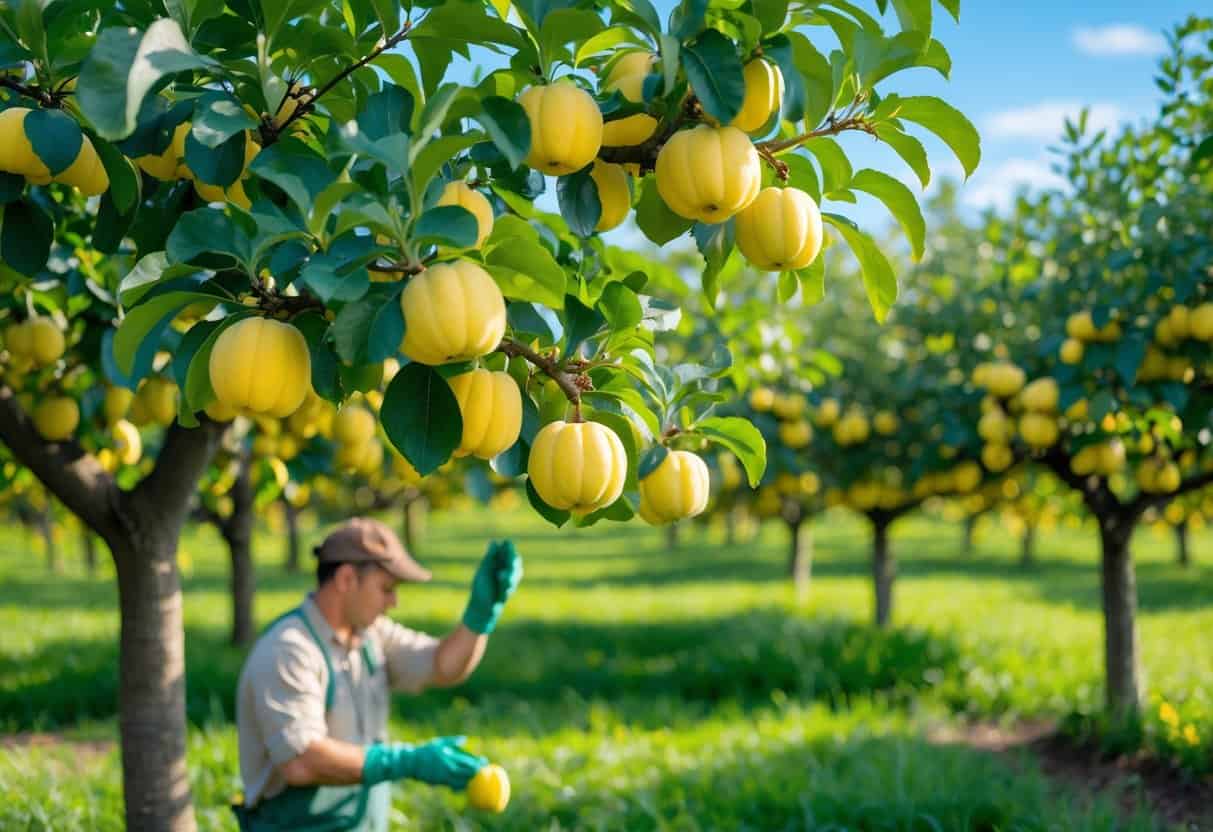
Quinces are a treat for beginner gardeners and anyone who loves to cook. Their spring blossoms are beautiful, and the golden, pear-shaped fruit in autumn is a real reward.
If you want a fruit tree that’s low-hassle but generous, quince is honestly a top pick.
Quick Tips for Quinces
Best Time To Plant
Fall (autumn) to early spring, while dormant (November–March in most climates)
Sun / Lighting
Full sun, with some shelter from cold winds
Spacing
5 feet (4.5 m) apart for trees
Soil Type / PH
Moist, well-draining loam; pH 6.0–7.0
Container Info
Large container: at least 18–24 inches (45–60 cm) diameter and depth; 15–20 gallons (55–75 L); ensure excellent drainage
Propagation
Grafted trees (most reliable); softwood or hardwood cuttings for experienced growers; seeds can be used but fruit is variable
When I planted my first quince, I was honestly surprised how quickly it took off in a sunny corner. The fruit kept all winter, and the scent filled the house—homemade jam never tasted so good.
About Quinces
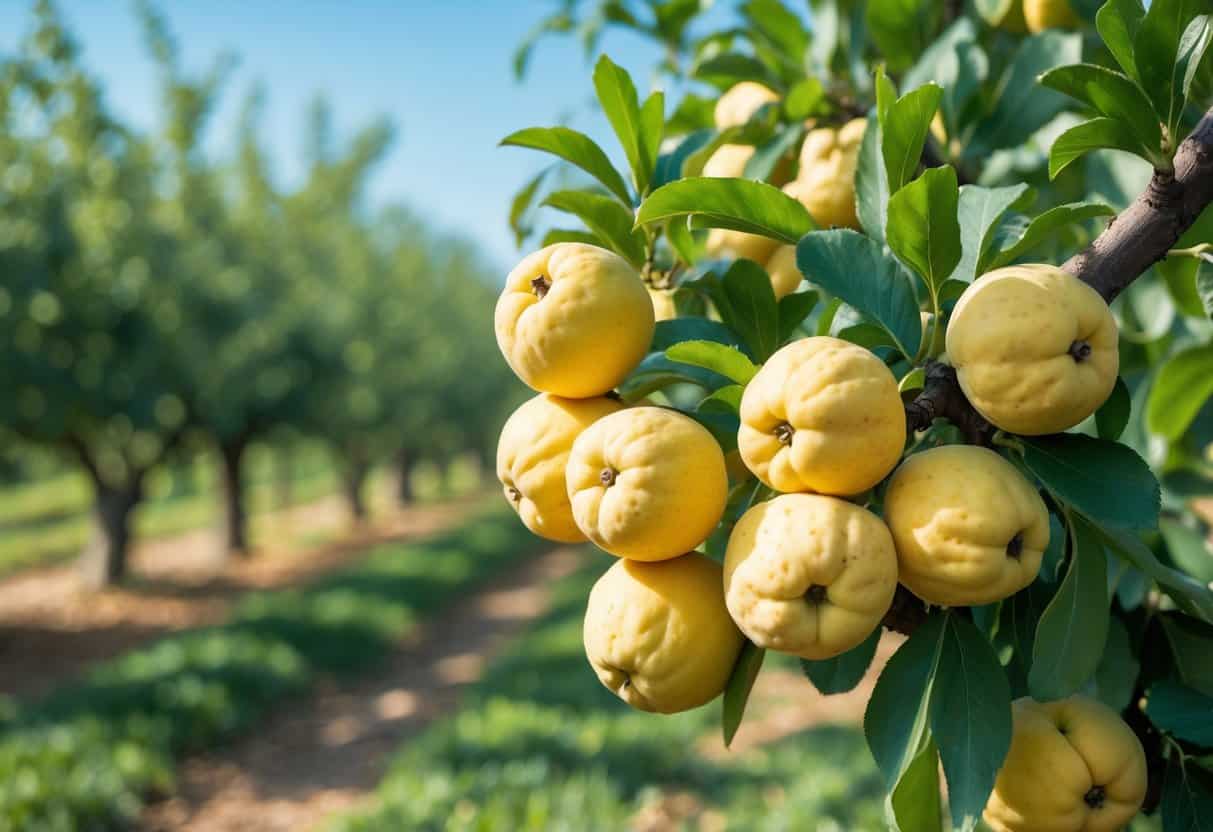
Quinces are tough, old-fashioned fruit that bring both flavor and a certain charm to the garden. They’re valued for their fragrant, golden fruit and their role in both sweet and savory recipes.
For best fruit set, prune lightly just after flowering—heavy pruning reduces the next year’s harvest.
Quinces Growth Habits
These are deciduous perennials, so they’ll live for years and drop their leaves in autumn. Each spring, you get a nice show of blossoms before the tree leafs out.
Quince trees love full sun and adapt to different soils, including clay and loam, as long as drainage is decent. They’re self-fertile, so you only need one to get fruit—convenient, right?
The trees have a sturdy, spreading shape with twisted branches. If you start with grafted stock, you’ll see fruit in just a few years.
While they like a sheltered spot, they’re tougher than you’d think—once settled in, they can handle drought and bounce back from cold snaps down to -15°F (-26°C) in many regions.
Growing Zones for Quinces
USA:
- Zones 5–9 as perennials.
- In colder areas, grow in the warmest, sunniest spot you have. In very hot zones, provide mulch and some afternoon shade if summers are harsh.
Australia:
- Temperate, Mediterranean, some Subtropical.
- In cooler or frosty regions, plant in a sheltered spot to protect early blossoms. In hot, dry areas, mulch deeply and water during dry spells.
Varieties Of Quinces
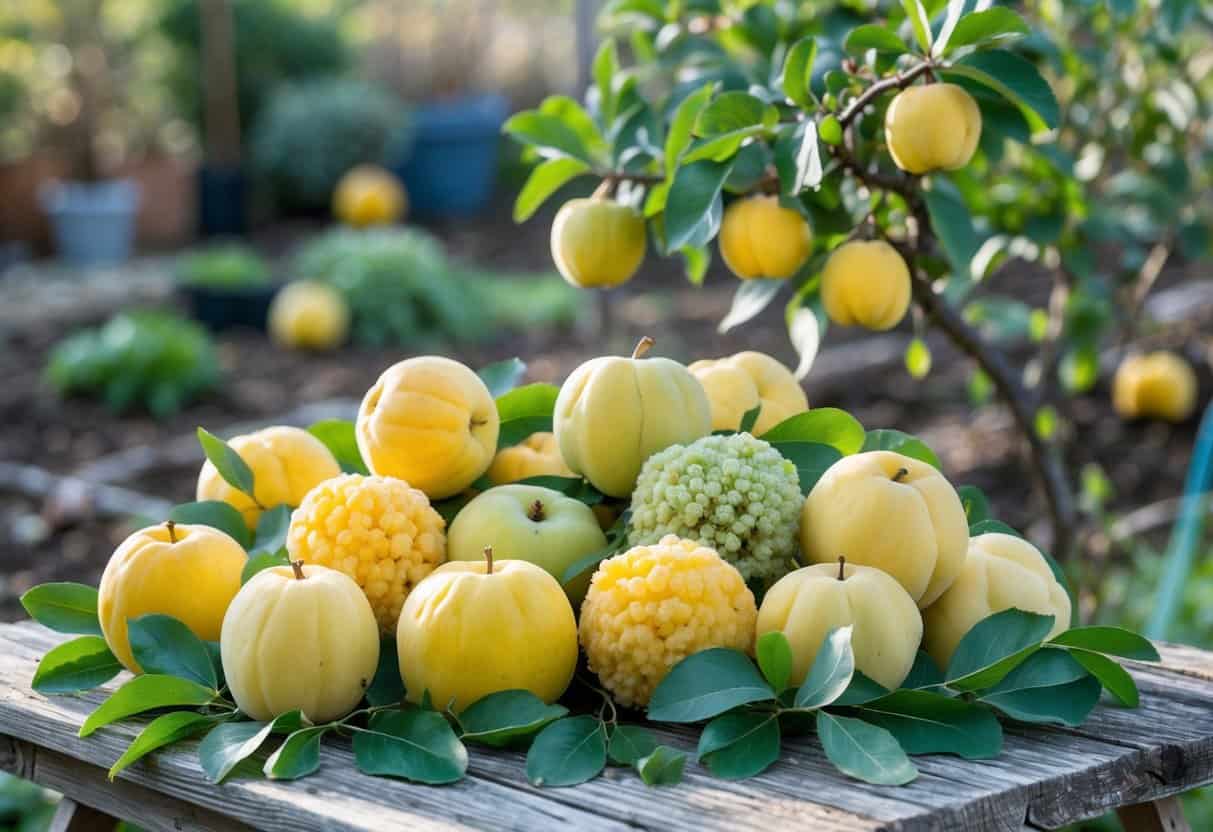
Picking a quince for your garden isn’t just about fruit—some are all about the flowers. Each variety brings something different to the table, whether it’s color, taste, or just pure garden style.
Cydonia oblonga
Appearance: Classic fruiting quince tree, oval yellow fruits, white to pale pink flowers in spring
Flavor: Tart and aromatic, softens up nicely when cooked
Best Use: Jams, jellies, baking, poaching
Chaenomeles speciosa (Flowering Quince)
Appearance: Shrubby, with bold red, pink, or white blooms early in spring, plus small hard fruit
Flavor: Super tart, not great raw
Best Use: Ornamental gardens, cut flowers, sometimes preserves
Texas Scarlet
Appearance: Compact shrub, bright red blossoms
Flavor: Not really for eating; fruit is tiny but can be cooked
Best Use: Low hedge, early spring color, wildlife
Chinese Quince (Pseudocydonia sinensis)
Appearance: Tree-like, striking mottled bark, big yellow fruit
Flavor: Firm and fragrant, a bit subtler than regular quince
Best Use: Cooking, shade, unique jams
Choosing the right quince really depends on your climate and what you’re after.
Quick Tips For Variety Selection
Decide if you’re after fruit or flowers.
For tight spaces, look for dwarf or compact types.
‘Texas Scarlet’ and Chaenomeles bring garden color.
‘Smyrna’ and Cydonia oblonga are best for fruit.
Make sure the variety matches your local winter and rainfall.


Planting Quinces
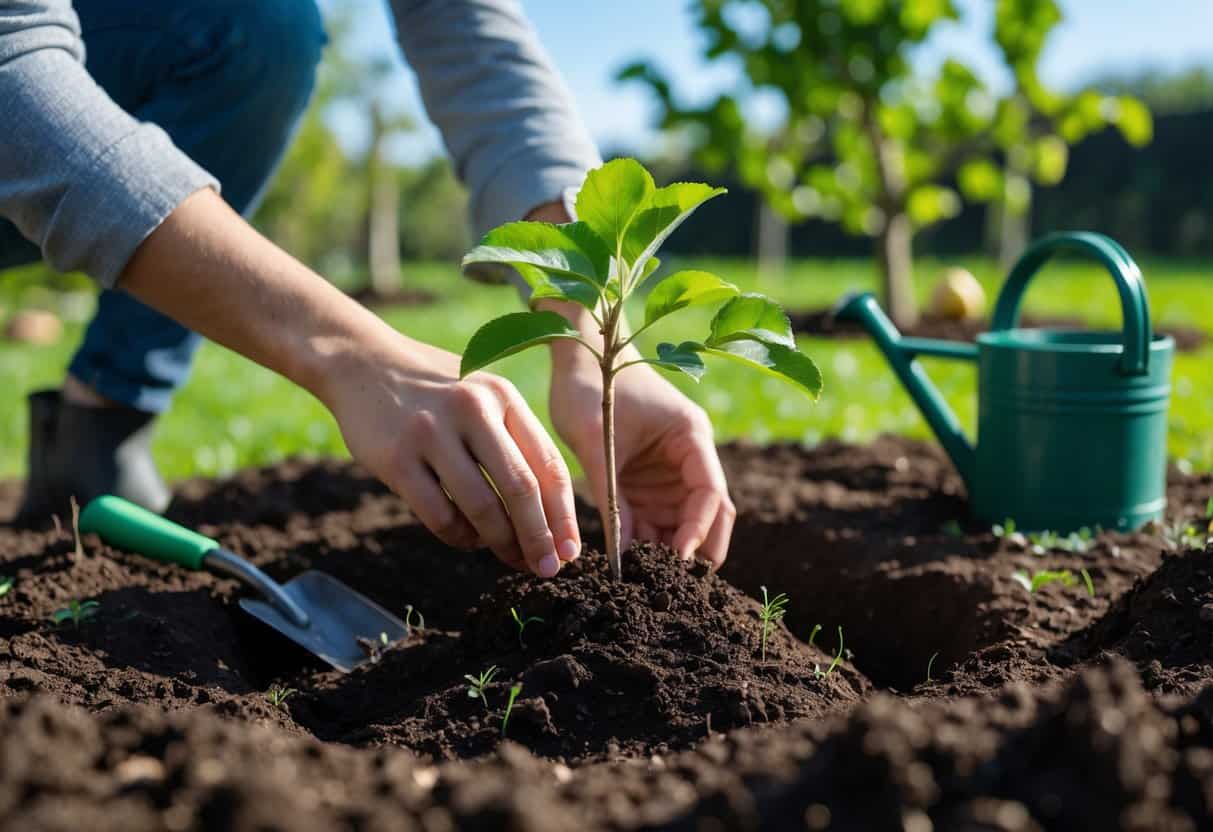
Quince trees give you fragrant fruit for cooking, jams, and jellies. Getting planting right makes a big difference for growth and harvest.
When To Plant
Early spring is usually best, just as the soil starts to warm and frost risk is gone. That way, roots settle in before summer heat.
In milder climates, planting in autumn can work, but don’t plant during harsh winter or summer heat. Bare-root trees should go in while dormant, from late winter to early spring.
Container-grown trees are a bit more forgiving, but spring is safest for most people. If you’re starting seeds or cuttings, cooler months are better for root growth.
Grafted quince trees fruit faster and give you predictable results. Seed-grown trees can take years and might not match the parent.
Where To Plant
Go for a spot that gets at least 6–8 hours of sun daily. Sheltering from cold wind or late frosts helps, especially in chilly areas.
Deep, fertile, well-draining soil is ideal. Avoid heavy clay or soggy areas—root rot is a real risk. Loamy soil with a pH between 6.0 and 7.0 is best, but quinces aren’t too fussy.
If your soil’s sandy or lacking, dig in compost or aged manure before you plant. Space your quince trees at least 10–15 feet (3–4.5 m) from other trees or buildings.
Container/Small-Space Growing
You can definitely grow quince in pots if you’re short on space. Go for a big container—18–24 inches (45–60 cm) wide and deep at least, with good drainage.
Use a quality potting mix and mix in some compost. Dwarf or patio varieties are way easier in pots. Keep your container in full sun and stay on top of watering—pots dry out fast.
Feed with a slow-release, balanced fertilizer at planting and again in early summer. Repot every couple of years into fresh soil to keep things healthy.
With some care, you’ll get fruit, though maybe not as much as from a tree in the ground.
How To Plant
Dig a hole twice as wide as the root ball, about as deep. Loosen the soil around the hole to help roots spread.
Mix compost or rotted manure into the soil you dig out. Set grafted trees so the graft sits about 2 inches (5 cm) above the soil.
Spread out the roots, backfill gently, and water well. For seeds or cuttings, start them in nursery beds or pots with moist soil.
Cover seeds lightly and keep them moist until they sprout. Move young trees to their final spot after their first year or when they’re well-rooted.
Mulch around the tree to hold moisture and keep weeds down, but don’t pile mulch against the trunk.
Propagation
Most quinces are propagated by grafting or hardwood cuttings. This keeps fruit quality consistent and trees start fruiting sooner—usually in 3–5 years.
Take hardwood cuttings in late autumn or winter. Use healthy wood about 8 inches (20 cm) long, plant in well-draining soil, and keep it moist.
Seed propagation is slow. Chill seeds for a few weeks before sowing, and be patient—it can take years to get fruit.
Layering works too: bend a low branch to the ground, cover the middle with soil, and keep it damp until roots form. Once it’s rooted, cut it from the parent and plant it out.
Honestly, for most people, buying a healthy, grafted quince tree is the way to go.
Care And Maintenance Of Quinces
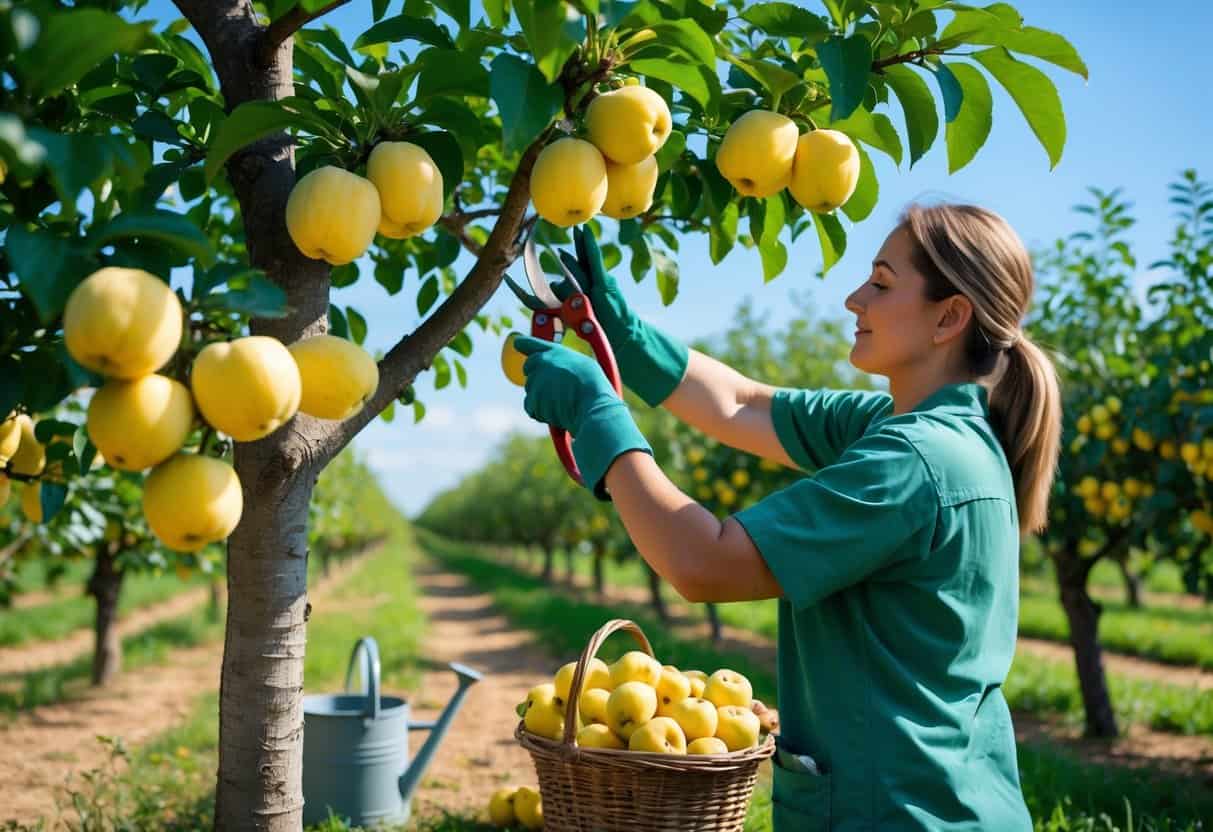
Quince trees are pretty tough and don’t need much fussing, but a bit of care makes a big difference. Keep up with watering, feed the soil, and prune at the right time for a better harvest.
Watering Needs
Newly planted quinces need regular watering at first. Keep the soil a bit moist, but don’t let it get soggy.
Once established, they’ll handle dry spells, but you’ll get more fruit if the soil doesn’t dry out completely.
Fertilizer
Quinces don’t need much feeding, especially once they’re settled in. Too much fertilizer means more leaves, less fruit.
Pruning
Pruning quinces helps create a healthy shape, makes fruit easier to pick, and can boost your harvest. Most trees only need light pruning each year.
Prune in late winter or early spring, while the tree is still dormant. Cut away any dead, crossing, or downward-pointing branches.
Problems And How To Fix Them
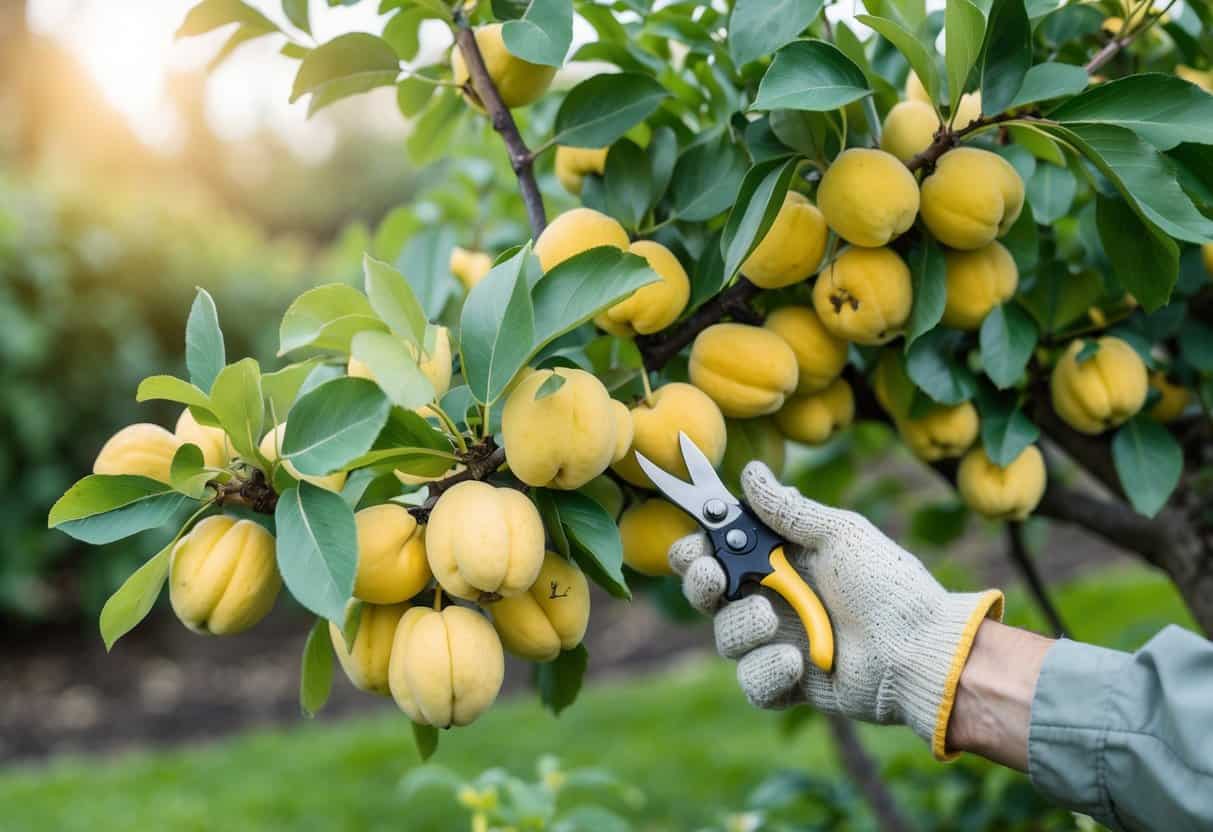
Quinces sometimes run into issues with pests, diseases, or just not growing well. Spotting trouble early and knowing what to do can really make a difference
Pests
Aphids
Sticky leaves, curled edges, and clusters of tiny green, black, or brown bugs on the undersides of leaves.
Blast them off with a strong spray of water. Ladybugs and lacewings help, or try insecticidal soap if needed.
Mites
Leaves may look speckled or have yellow patches, sometimes with fine webbing.
Spray leaves with water to knock mites off. Keep weeds down and encourage ladybugs.
Scale Insects
You’ll see bumps or little discs stuck to bark and leaves, with sticky “honeydew” that can attract ants.
Prune out infested branches and use horticultural oil during dormancy. If there aren’t many, just pick them off.
Animal Pests
In most of the US and Australia, deer, rabbits, possums, and birds rarely bother quince. Sometimes birds will peck at ripening fruit.
If birds get interested, toss some netting over the tree.
Quince flowers aren’t a big draw for butterflies or hummingbirds, if you’re curious.
Diseases
Fire Blight
Blossoms and branch tips suddenly turn brown or black, looking scorched.
Cut away infected branches well below the dead area and clean your shears between cuts. Burn or trash infected parts—don’t compost them.
Quince Leaf Blight (Fungal)
Look for brown or black spots on leaves and early leaf drop, especially in wet weather.
Rake up fallen leaves, prune to open up the tree, and use copper fungicide in spring if blight is a problem.
Scab
Dark, rough patches on fruit and leaves, sometimes leading to cracked fruit.
Clear away fallen leaves and fruit. Try a fungicide early in the season if it keeps happening.
Growing Problems
Lack of Fruit
Tree is healthy and blooms but doesn’t set fruit.
Quinces often need a pollinator—another variety nearby. If yours is alone, consider planting a second tree.
Slow Growth or Bare Spots
Young trees not growing or with patchy branches.
Check for poor drainage or packed soil. Mulch the base and water deeply during dry spells, but don’t overdo it.
Yellow Leaves
Leaves turn pale or yellow, sometimes with stunted growth.
Could be poor soil or too much water. Improve drainage, cut back watering, and add compost or balanced fertilizer.
Harvesting Quinces
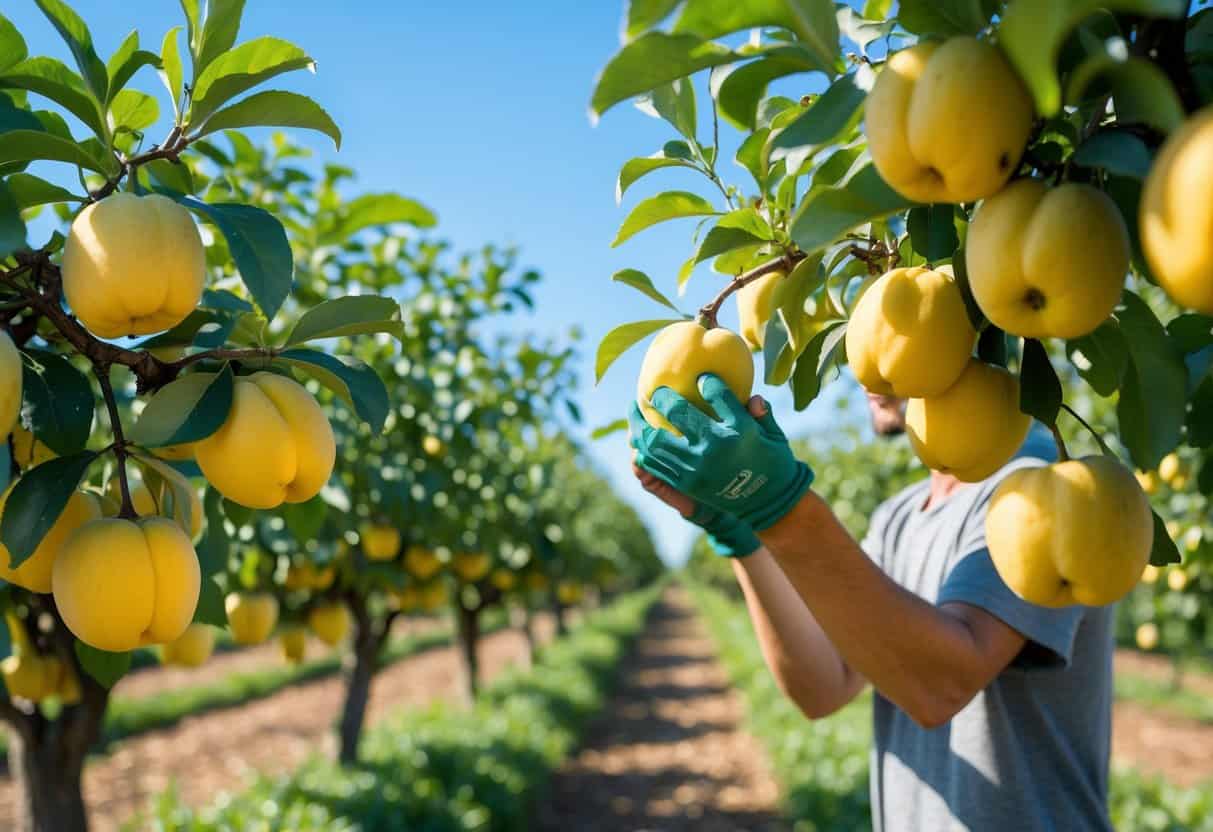
Picking quinces at just the right time makes all the difference for flavor and texture. How you harvest can also affect how long they last.
When To Harvest
Quinces are usually ready in late fall—think October or November. They start out green and rock-hard, but you want to wait until they turn golden yellow and soften a bit.
A strong, sweet aroma is a good sign they’re ready.
Check for firm, blemish-free skin. If you pick too early, they’ll stay sour and not develop their scent. Wait too long, and they’ll get mealy or just fall off.
Try gently twisting a fruit—if it comes off easily, it’s probably good to go. Quinces don’t ripen much after picking, so timing matters.
How To Harvest
Handle quinces gently since they bruise easily. Use clean, sharp pruners or secateurs to cut them free—don’t yank, or you’ll damage the tree.
Leave the stem attached for longer storage. Lay fruit in a basket or box lined with cloth or paper so they don’t get banged up.
Check each fruit as you pick for any rot or pest damage—use those first.
Pick all quinces before the first hard frost. If a light frost is coming, pick nearly ripe ones; they’ll finish ripening indoors for a bit.
Storing Quinces
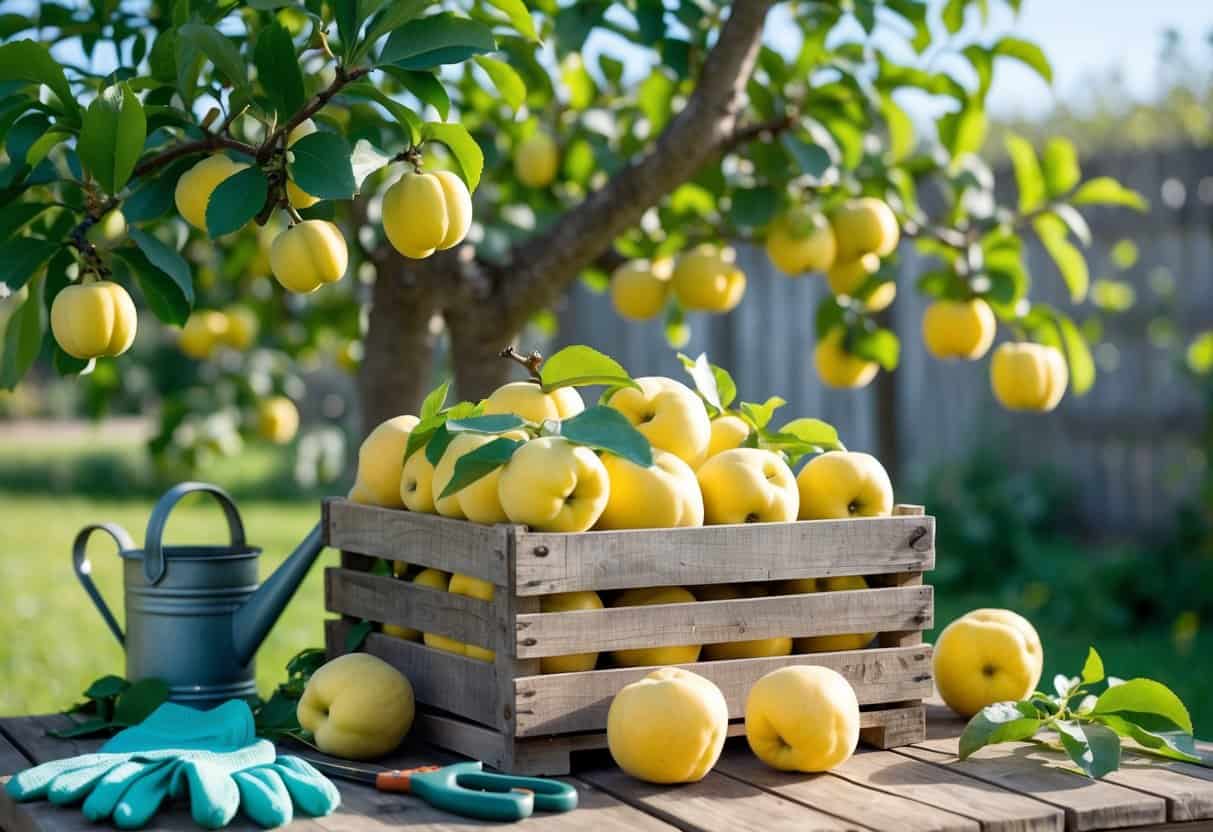
Good storage keeps quinces fresh for months. They actually improve with a little time off the tree.
Only store quinces that are firm and unblemished. Damaged fruit will spoil quickly and mess up the rest.
Storage Methods for Quinces
Cool Room Storage
Lasts 6–8 weeks, sometimes up to 2–3 months.
Great for desserts, jams, or baking after they mellow.
Refrigeration
Lasts 2–3 months.
Slows ripening so you can use fruit over winter.
Freezing (after cooking or poaching)
Lasts 6–12 months.
Handy for pies and sauces, especially with a big crop.
Quinces taste and smell best after a short storage period. They’re usually too hard and sour straight off the tree, so give them a couple of weeks to mellow.
Lay quinces out in a single layer, not touching, on trays or racks. Keep them in a cool, dark spot with good airflow—pantry or cellar works, unless you’re short on space.
Check them weekly. Remove any that get moldy or soft so the rest don’t spoil.
Preservation Tips
Quinces taste and smell best after a short storage period. They’re usually too hard and sour straight off the tree, so give them a couple of weeks to mellow.
Keep quinces away from other fruit—their perfume is strong and can take over. Unless you’re into that, then go ahead and leave one out on the counter!
Benefits and Uses of Quinces
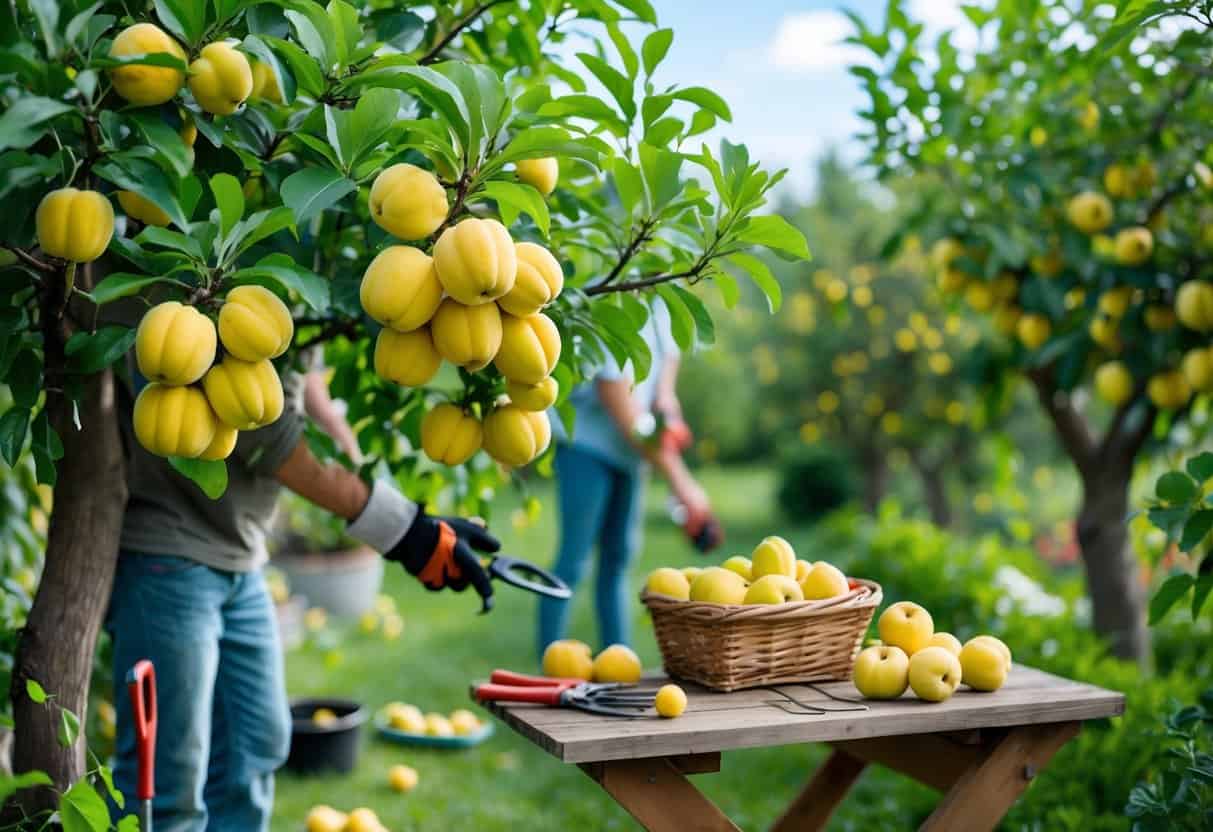
Quinces are famous for their incredible aroma, rough skin, and glowing gold color. They bring unique flavors and are loved for both sweet and savory kitchen experiments.
Cooking With Quinces
When you cook quinces, you’ll notice they start out firm and sour, but heat transforms them. Most recipes use cooked quince since raw ones are tough and tart.
They’re loaded with pectin, making them perfect for quince jelly and quince paste (quince cheese).
Quinces go nicely with apples, pears, citrus, and warm spices like cinnamon or cloves in desserts. But they’re also great in savory stews and tagines for a tangy kick.
To prep, peel, core, and chop the fruit, then simmer with sugar and spices. You can roast, stew, or poach them until they turn pink and smell amazing.
Cooked quince keeps in the fridge for about a week. Quince paste or jelly lasts for months in a sealed jar.
Family Recipes
Lots of families have quince recipes they bring out for holidays or special meals. Here are a few favorites from the US and Australia:
Classic Quince Jelly
Simmer quinces with sugar for a bright, fragrant jelly—awesome on toast or cheese boards.
Quince Cheese (Membrillo)
Cook pureed quince and sugar until it’s thick and sliceable. Tastes great with crackers and sharp cheese.
Simple Baked Quince
Bake quince halves with honey and cinnamon for dessert or breakfast.
Rustic Quince and Apple Pie
Mix quinces and apples with spices in a flaky crust for a twist on pie.
Quince Chicken Tagine
Add chopped quince to a spiced chicken stew for a sweet-tangy flavor.
These dishes show off how flexible quince can be—from spreads to main courses. It’s always fun to try something new with them.
Frequently Asked Questions
Quinces give you both tasty fruit and beautiful flowers, no matter if you grow a tree or a bush. You can plant them in the ground, or in pots—each way has its own quirks.
What are the best conditions for growing quince trees in your backyard?
Quince trees like a sunny spot with soil that drains well but stays a little moist. Avoid places where cold winds could zap the spring blossoms.
Water new trees often their first year. Mulch helps keep roots cool and moist. Once established, quinces can handle some dry spells, but regular watering is still best.
What steps should you take to grow quinces from seed effectively?
Growing quinces from seed takes patience. Collect ripe fruit and clean the seeds, then chill them in the fridge for about two months.
Start seeds in pots indoors and keep the soil damp but not soggy. Move them outside after frost is gone and they’ve outgrown their pots.
Heads up: seed-grown quince might not look or taste exactly like the parent tree.
How can you grow a healthy quince tree in a pot if space is limited?
Choose a big, sturdy pot with drainage holes. Fill it with rich, loose soil and compost.
Put your pot somewhere sunny and water often so the soil stays moist but not waterlogged. Prune roots and branches each year to keep things in check.
Feed monthly in spring and summer with a balanced liquid fertilizer. Re-pot every few years when the roots fill up the container.
At what point in its growth can you expect your quince tree to start bearing fruit?
A grafted quince tree will usually start producing fruit after about three to five years. If you grew your tree from seed, it might take five to eight years—or even longer.
Fruit appears once the tree blooms in spring. The tree really needs to be settled in and healthy before it puts much effort into making quinces.
What are some tips for ensuring the best growth rate for your flowering quince?
Try to give flowering quince bushes as much sun as possible. They'll still manage in light shade, though maybe not quite as enthusiastically.
Remember to water them during long dry spells, especially when they're still getting established. Young plants are a little more needy.
A fresh layer of mulch each year helps keep the roots cool and the soil moist. After the flowers fade, grab your pruners and snip away old wood or wayward branches.
Keep an eye out for pests or any signs of disease. It's best to catch those problems early if you want your bush to really thrive.