

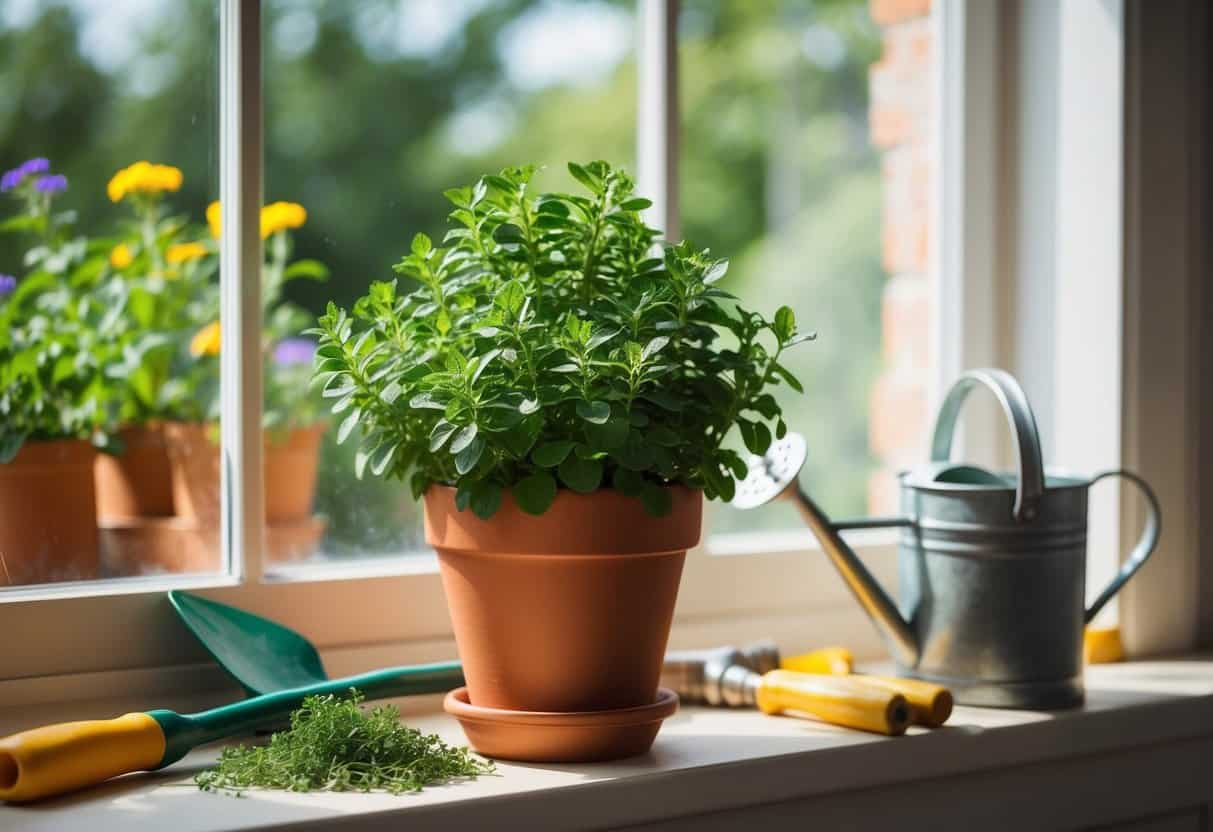
Growing your own oregano is a fun way to boost your kitchen flavors and keep your herb garden lively. You can start oregano from seeds or cuttings in beds or containers—just make sure it gets lots of sun and drains well.
This hardy herb packs a punch in your cooking and adds a splash of green and fragrance to your windowsill or patio. If you’re new to herbs, oregano’s forgiving nature makes it a solid first choice.
From planting to harvest, it’s pretty manageable and honestly, kind of satisfying. With a few tips, you’ll have fresh leaves ready for pizza, soups, or whatever you’re craving.
Quick Tips for [Plant]
Best Time To Plant
Start seeds indoors 6–8 weeks before your last frost or direct sow after the last frost
Sun / Lighting
Full sun (at least 6 hours/day); light afternoon shade in very hot climates
Spacing
8–10 in (20–25 cm) between plants
Soil Type / PH
Well-drained soil, pH 6.5–7.0
Container Info
Minimum depth: 8 in (20 cm); well-draining pots or planters
Propagation
Seed, stem cuttings, or root division
The first oregano plant I grew was tucked beside my kitchen door. It always bounced back, even if I forgot to water it on busy days.
Its earthy fragrance filled the air each time I snipped a few sprigs for homemade sauces. There’s something about fresh herbs that just makes a space feel alive.
About Oregano
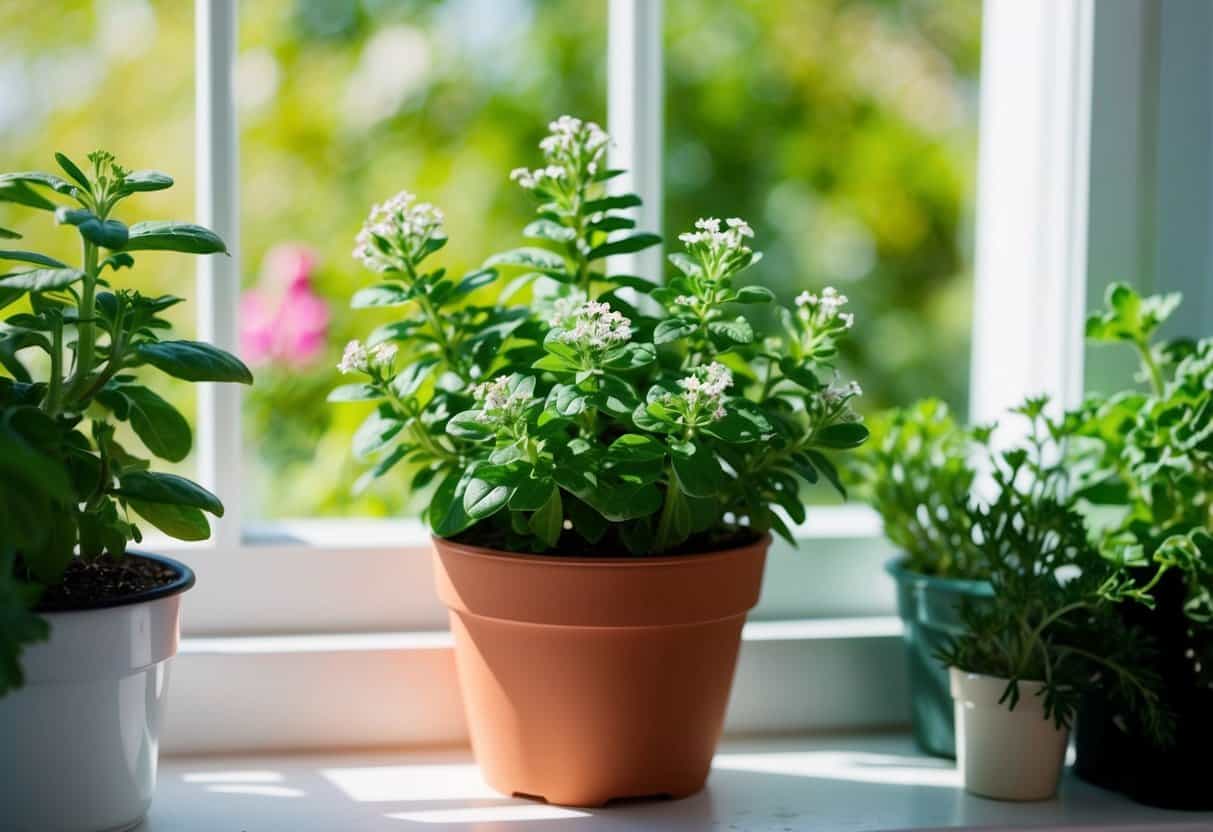
Oregano is a fragrant, hardy perennial herb from the mint family (Lamiaceae). It’s valued for its bold flavor and looks, and pollinators—especially bees—love it.
Oregano Growth Habits
Oregano (Origanum vulgare and its cousins) grows as a low, spreading perennial with soft green leaves. In the right climate, it pops back up every spring and keeps going for years.
You’ll see oregano send up little spikes with clusters of tiny white, pink, or sometimes purple flowers in summer. Bees and butterflies can’t resist them, and they add a nice splash of color to your herb patch.
Oregano likes full sun and soil that drains well. Once it’s established, it barely minds a dry spell. It works well as ground cover or tucked in with other plants—plus, the leaves smell amazing when you brush past.
This herb isn’t just useful, it looks great too. I mean, who doesn’t want a plant that’s both pretty and practical?
Growing Zones for Oregano
USA:
- Zones 4–9, temperate to warm climates.
- Perennial in these zones; mulch in colder areas for winter protection. In zones 10–11, provide afternoon shade to avoid scorching.
Australia:
- Temperate, Mediterranean, and subtropical.
- Thrives in mild, dry climates; ensure good drainage, and provide afternoon shade in very hot regions.
Varieties Of Oregano
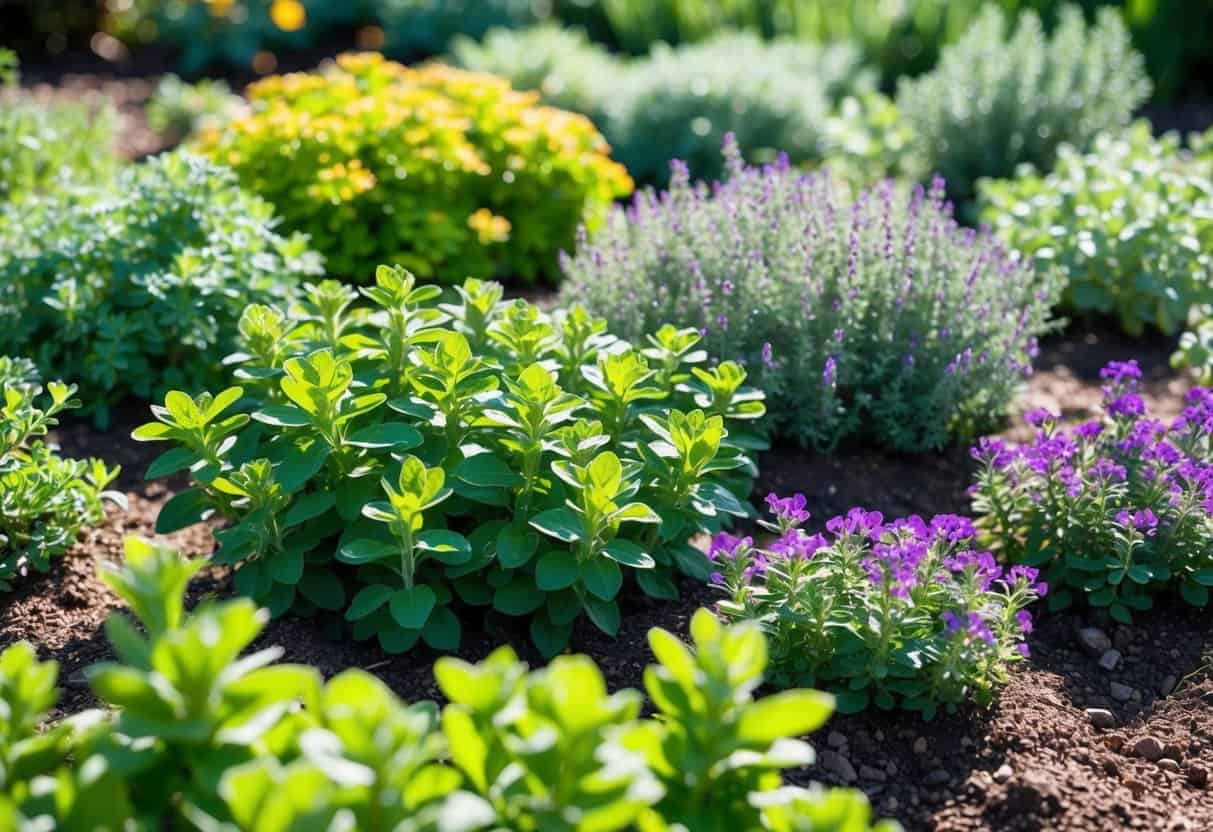
There are a bunch of oregano types you can grow, each with its own flavor and style. Picking one depends on what you like to cook and how much space you’ve got.
Greek Oregano (Origanum vulgare subsp. hirtum)
Appearance: Small, oval, gray-green leaves with white flowers; bushy growth.
Flavor: Robust, peppery, and intensely aromatic—classic Mediterranean oregano.
Best Use: Pizza, pasta sauces, grilled meats, and Greek salads
Italian Oregano (Origanum x majoricum)
Appearance: Soft, green, oval leaves on trailing stems; pinkish flowers.
Flavor: Milder than Greek oregano, with a hint of sweetness and basil.
Best Use: Italian dishes, tomato sauces, and herby bread
Common Oregano / Wild Marjoram (Origanum vulgare)
Appearance: Larger, bright green leaves with pink or purple flowers; upright habit.
Flavor: Mild, slightly bitter, and less pungent than Greek types.
Best Use: Salads, marinades, and as a general-purpose herb.
Syrian Oregano / Za’atar (Origanum syriacum)
Appearance: Gray-green, fuzzy leaves with white flowers; bushy plant.
Flavor: Earthy, savory, and slightly citrusy; essential for Middle Eastern cuisine.
Best Use: Za’atar spice blends, flatbreads, and roasted vegetables.
Cuban Oregano (Plectranthus amboinicus)
Appearance: Thick, succulent, fuzzy green leaves with scalloped edges; trailing habit.
Flavor: Strong, pungent, and slightly minty—more intense than true oregano.
Best Use: Caribbean dishes, stews, and as a bold seasoning in meat dishes
Think about your favorite recipes and how much room you have. Greek and Italian are safe bets for most kitchens.
Quick Tips for Picking Oregano Varieties
Greek or Italian for bold Mediterranean flavor
Dwarf types are perfect for tight spaces or pots
Syrian oregano is a fun twist if you want something spicy
For a milder touch, go for common oregano or marjoram


Planting Oregano
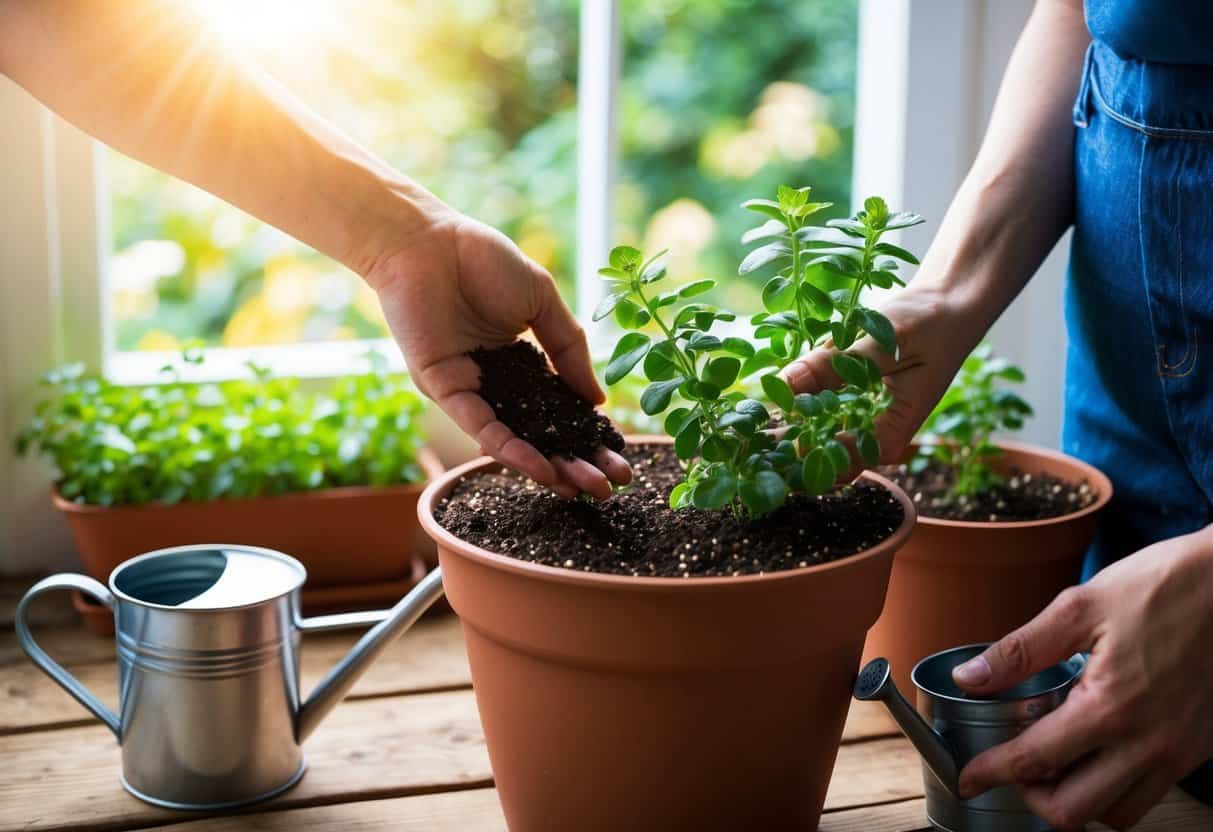
Oregano grows from seeds, cuttings, or starter plants. It wants warmth, sunlight, and soil that drains well—get those right, and you’re halfway there.
Setting things up properly at the start really pays off. Strong oregano at planting means less fuss later.
When To Plant
Start oregano in spring after your last frost, when days are reliably above 60°F (16°C). It likes warm soil and steady weather to get going.
If you want a head start, sow seeds indoors 6–8 weeks before your planting date. Use seed trays or small pots in a sunny, warm spot inside.
Move seedlings outside when the weather warms and they’re a couple inches tall. If you buy young plants, wait until the soil’s warmed up and the frost is gone before planting.
Honestly, planting too early in cold, soggy soil just leads to slow, sad plants. Checking your local frost dates or asking at the nursery can save you some hassle.
Where To Plant
Oregano loves full sun, so aim for 6–8 hours of direct light. Don’t tuck it behind big trees or buildings if you can help it.
If your summers are scorching, a bit of afternoon shade is okay, but too much shade makes oregano tall and floppy. It loses some of that punchy flavor, too.
Soil needs to drain well—wet feet are a no-go for oregano. If your dirt is heavy or holds water, mix in some coarse sand or compost to help it along.
Go for a moderately fertile spot. Overdoing fertilizer just makes the leaves bland. Raised beds are handy if your ground stays wet after rain, and good airflow helps keep plants healthy.
Container/Small-Space Growing
Oregano is a champ in containers—balconies, patios, wherever. Pick a pot with holes in the bottom, at least 8–12 inches (20–30 cm) wide and deep.
Fill it with a light, well-draining mix. Potting soil plus some sand or perlite does the trick. Skip heavy garden dirt; it compacts and can choke the roots.
Set your pot somewhere sunny. Pots dry out faster than garden beds, so check moisture often, especially when it’s hot. Container oregano usually grows bushy and happy since you control the water and light.
How To Plant
For seeds, sow them super shallow—about 1/16 inch (1–2 mm) deep. Cover lightly and mist with water so you don’t wash them away.
Oregano seeds need light to sprout, so don’t bury them too much. If planting starts or small nursery plants, give them 8–10 inches (20–25 cm) of space.
Loosen the soil, tuck in the roots at the same depth as before, and water well. Let the soil dry a bit between watering—oregano doesn’t like soggy feet.
When sowing outdoors, thin seedlings once they have a few true leaves. This helps with airflow and keeps plants from crowding each other out.
Propagation
Oregano’s easy to multiply, whether from seeds or cuttings:
Seeds: Collect from dried flowers or buy fresh. Start indoors or outside after frost.
Softwood cuttings: In late spring or early summer, snip a 3–4 inch (7–10 cm) tip from a healthy shoot. Take off the lower leaves, leaving two pairs at the top.
If you want, dip the cut end in rooting hormone and pop it in moist potting mix. Keep it damp and in bright light until it roots.
Division: Older oregano plants sometimes get crowded. In early spring or fall, dig up the clump and split it, making sure each bit has some roots and shoots. Replant and water well.
Cuttings and divisions give you a clone of the parent plant. Seed-grown oregano can be a bit of a surprise, but that’s half the fun.
If you’re impatient, cuttings root faster—just aim for a spot near a node (where the leaves grow).
Care And Maintenance Of
Oregano
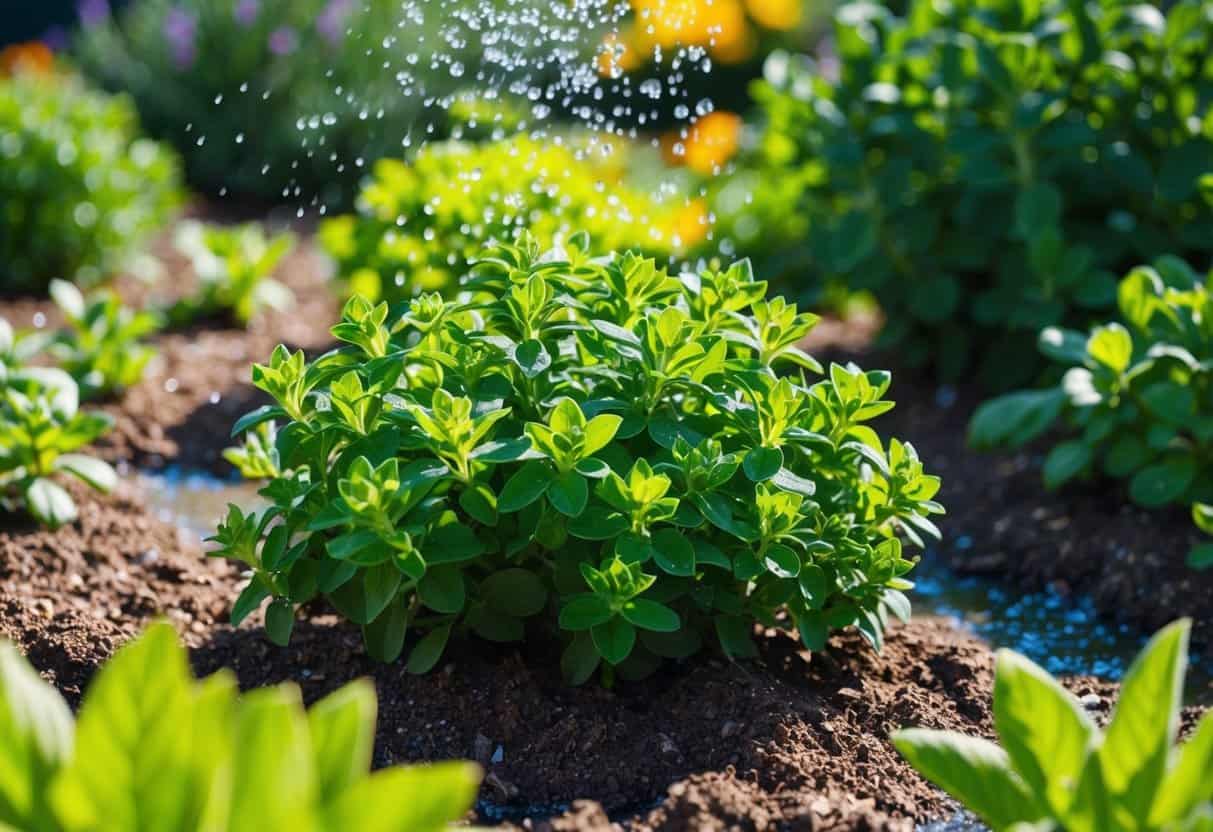
Oregano does best if you keep up with watering, feeding, and a bit of regular pruning. Give it what it needs and you’ll get healthier plants and way better flavor.
Watering Needs
Oregano likes soil that dries out a bit between watering. After planting, keep the soil moist—but not soggy—for the first few weeks.
Once oregano gets going, it’s pretty drought-tolerant. Usually, you’ll only need to water during long dry spells.
Fertilizer
Oregano grows best in lean or average soil. Heavy feeding isn’t just unnecessary—it can actually weaken the flavor and make the plant more disease-prone.
Always water after fertilizing so nutrients reach the roots.
Pruning
Pruning keeps oregano bushy and stops it from getting woody or leggy. Regular trimming brings out more tender, tasty leaves.
Oregano Problems And How To Fix Them
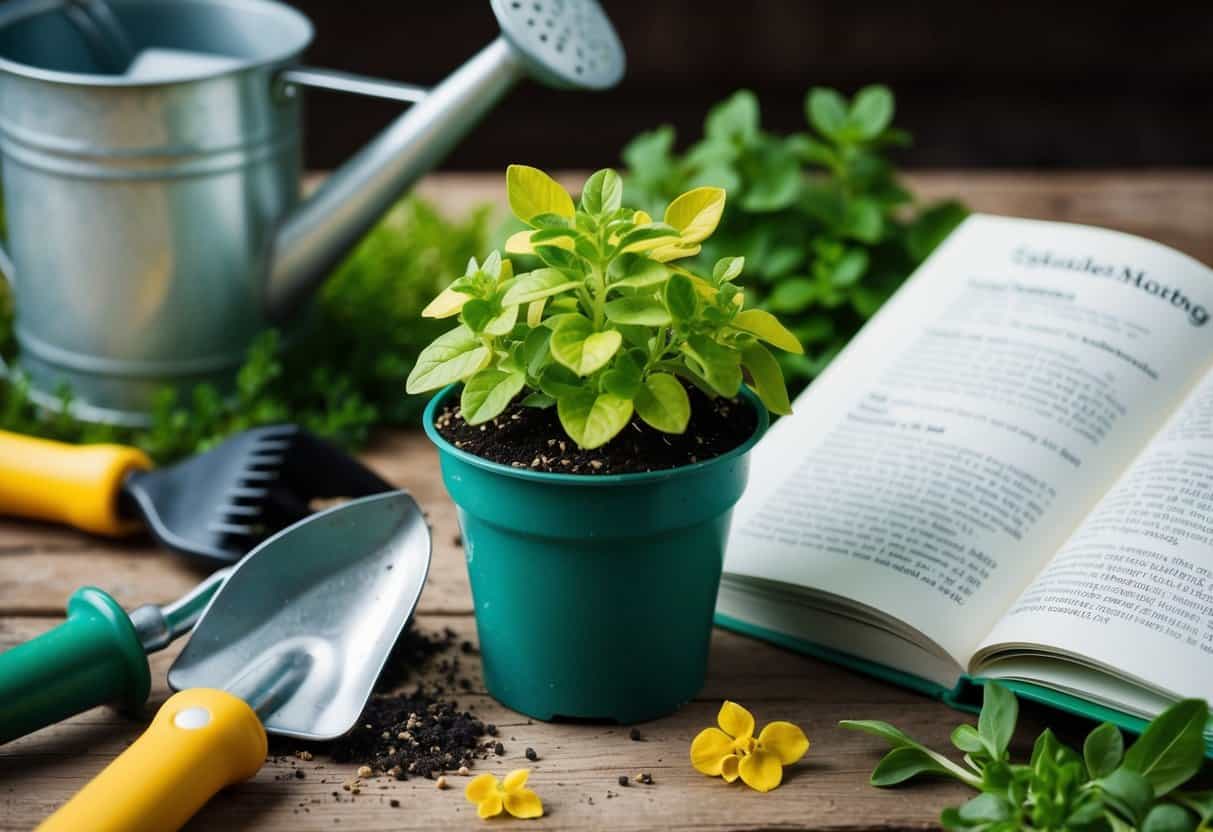
Oregano is pretty easy to grow, but it’s not bulletproof. Pests, fungal diseases, or just plain weird growth can pop up when you least expect it.
Pests
Oregano is generally pest-resistant, but a few insects can still cause problems, especially in stressed or crowded plants.
Aphids
Symptoms: Clusters of tiny green, black, or white insects on new growth; leaves may curl or feel sticky.
Solution: Spray with a strong jet of water or use insecticidal soap. Encourage ladybugs and lacewings.
Spider Mites
Symptoms: Fine webbing on leaves, yellow speckles, or dry, stippled foliage—especially in hot, dry weather.
Solution: Increase humidity, rinse leaves, and use insecticidal soap if needed.
Leaf Miners
Symptoms: Winding, pale trails inside leaves; leaves may look distorted or thin.
Solution: Remove and destroy affected leaves; use row covers if infestations persist.
Check oregano regularly, especially under leaves and along stems, to catch pest problems early.
Diseases
Most oregano diseases are linked to excess moisture, poor drainage, or overcrowding.
Root Rot
Symptoms: Wilting, yellowing leaves, and mushy roots; plant may collapse suddenly.
Solution: Ensure well-draining soil, avoid overwatering, and remove severely affected plants.
Powdery Mildew
Symptoms: White, powdery coating on leaves and stems.
Solution: Improve air circulation, avoid overhead watering, and remove infected parts promptly.
Leaf Spot
Symptoms: Brown or black spots on leaves; leaves may yellow and drop.
Solution: Remove infected leaves, avoid wetting foliage, and provide good airflow.
Water oregano at the base and space plants well to prevent most fungal issues.
Spot and Fix Oregano Problems
Check leaves weekly for pests or disease
Let soil dry between watering
Make sure your plants get enough sun
Growing Problems
Oregano is easy to grow, but a few environmental issues can hold it back.
Leggy or Sparse Growth
Symptoms: Stems are long and weak, with fewer leaves.
Solution: Move to a sunnier spot—oregano needs at least 6 hours of direct sunlight. Pinch back tips to encourage bushiness.
Yellow Leaves
Symptoms: Lower leaves turn yellow or drop off.
Solution: Check for overwatering or poor drainage; oregano prefers to dry out a bit between waterings.
Lack of Flavor
Symptoms: Leaves taste bland or weak.
Solution: Grow oregano in full sun and harvest just before flowering for the strongest flavor.
For the healthiest oregano, give it plenty of sun, well-drained soil, and avoid crowding. Regular harvesting encourages new, flavorful growth.
Harvesting Oregano
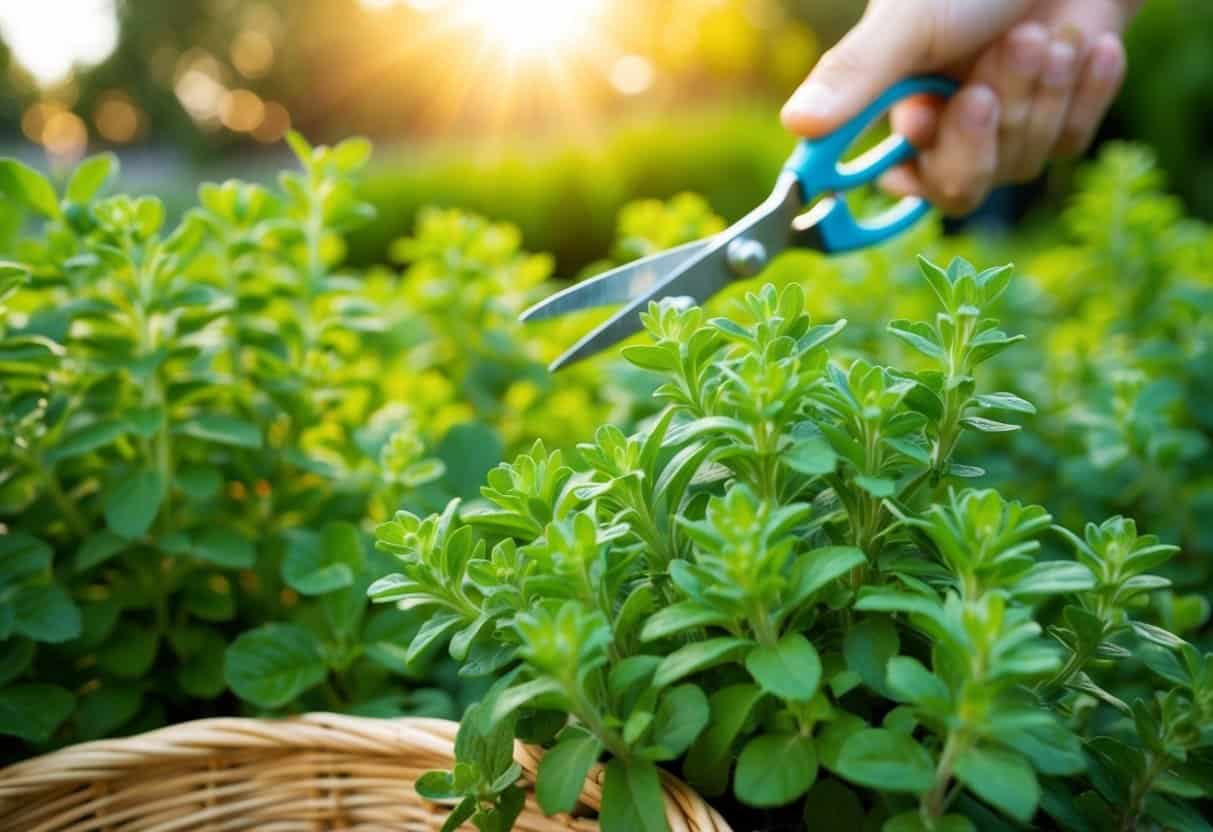
Oregano tastes best when harvested at the right time. A little careful pruning keeps plants healthy and productive, too.
When To Harvest
Wait until your oregano is at least 4–6 inches (10–15 cm) tall before you snip the first leaves. This usually happens in late spring or early summer, once stems are sturdy and leafy.
Don’t harvest young plants too heavily. Once mature, you can trim them more often.
For peak flavor, pick oregano before it flowers. Leaves are most aromatic just before buds show up—typically mid- to late summer.
Morning is best for harvesting, after the dew dries but before the day heats up. That’s when the essential oils are highest.
Regular harvesting every few weeks makes the plant bushier and gives you more leaves. About a month before your first frost, stop cutting so the plant can prep for winter.
How To Harvest
Use clean, sharp scissors or shears to cut stems. Always snip just above a leaf pair, and don’t remove more than a third of the plant at once.
Gather whole stems for drying, or just pluck a few leaves if you want them fresh. Cutting stems about two-thirds down (but not all the way to the base) helps the plant branch out for bigger future harvests.
Remove any faded or yellow leaves—they’re not worth keeping. Only save the healthy, green ones for your kitchen or storage.
Storing Oregano
Proper storage keeps oregano’s bold flavor and aroma ready for your kitchen, whether you’re using it fresh or saving some for later. Here’s how to make the most of your harvest:
Refrigerator Storage
Duration: 1–2 weeks
Best For: Fresh use in salads, sauces, and garnishes
Wrap oregano sprigs loosely in a damp paper towel and place them in a plastic bag or airtight container in the fridge. Alternatively, stand stems in a glass of water, covered loosely with a plastic bag.
Freezing
Duration: Up to 6 months
Best For: Cooking, soups, stews, and sauces
Chop oregano leaves and freeze them in ice cube trays with a little water or olive oil. Once frozen, transfer cubes to a freezer bag for easy use.
Drying
Duration: 6–12 months
Best For: Long-term storage and seasoning blends
Tie oregano stems into small bunches and hang them upside down in a warm, dry, airy place until the leaves are crisp. Store dried oregano in an airtight jar away from light and heat.
Properly stored oregano means you’ll always have that savory, Mediterranean flavor on hand—no matter the season!
Preservation Tips
Let oregano dry fully before storing—mold is the enemy
Crumble dried leaves just before using to release more flavor
Label frozen cubes by date so you use the oldest first
Benefits and Uses of Oregano
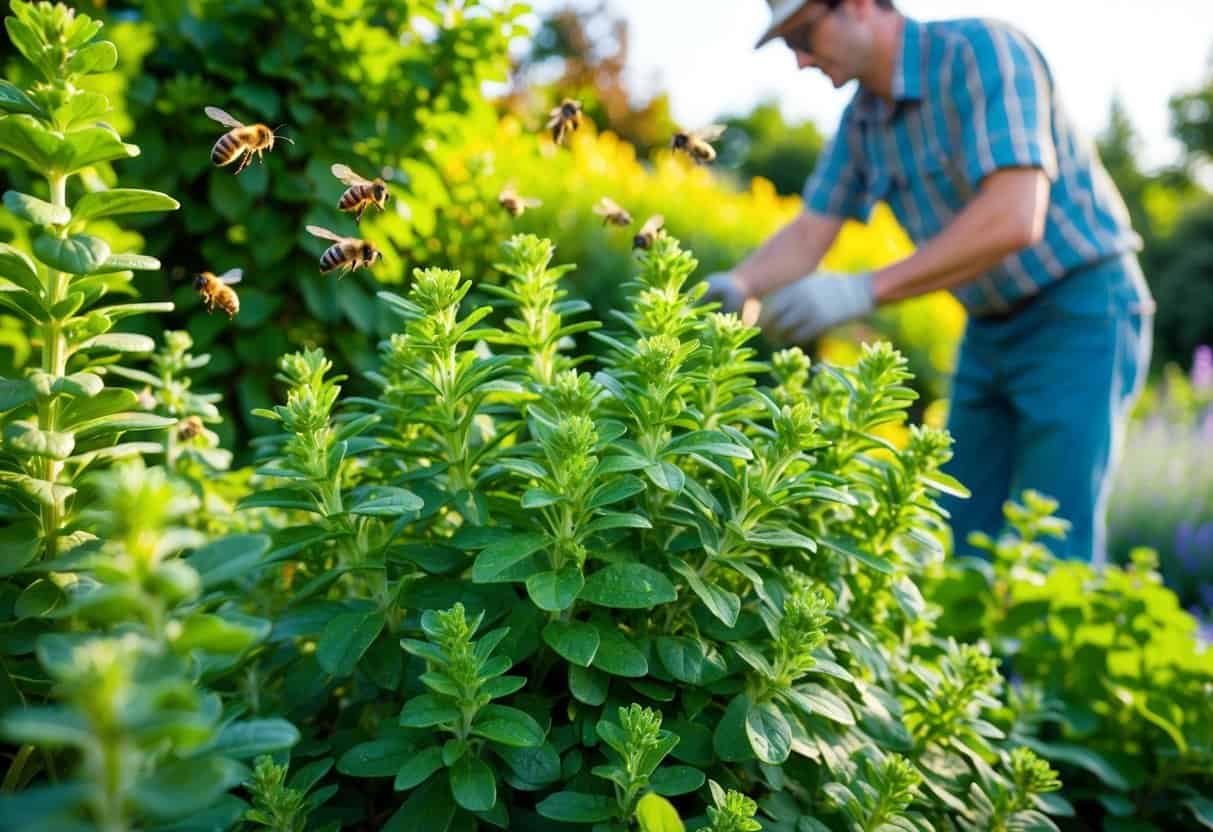
Fresh oregano brings a bold, earthy punch to so many kitchen favorites. It’s not just for pizza—this herb can jazz up soups, salads, and even homemade crafts with its aromatic leaves. And honestly, who doesn’t love that?
Cooking With Oregano
Oregano works well with tomato sauce, grilled vegetables, and beans. Its flavor pairs especially nicely with pizza, pasta, meats, and garlic.
In salads, use whole fresh leaves for a pop of color and taste.
You can sprinkle dried oregano over roasted vegetables or mix it into salad dressings. Dried leaves bring a more concentrated flavor than fresh, so use less if you’re swapping one for the other.
Family Recipes
Here are some easy ways to add oregano to your meals. These are favorites in both US and Australian kitchens—at least in my experience.
Classic Tomato Sauce with Oregano – Stir chopped fresh or dried oregano into simmering sauce for pasta or pizza.
Homemade Oregano Pizza – Sprinkle fresh or dried oregano over pizza before baking for a traditional touch.
Oregano Bean Salad – Toss beans, chopped vegetables, olive oil, and oregano for a simple, healthy side.
Roast Vegetables with Oregano – Add oregano to root vegetables before roasting for extra flavor.
Simple Greek Salad – Top tomatoes, cucumbers, and feta with oregano for Mediterranean taste.
Try This:
Make oregano-infused olive oil by adding fresh sprigs to a clean bottle of oil. Use as a flavorful drizzle over bread or vegetables.
Frequently Asked Questions
Oregano grows well both outdoors and indoors. Certain steps will help ensure healthy, flavorful plants.
Starting from seeds, caring for potted oregano, and knowing when and how to harvest are all part of successful oregano gardening. Sometimes you just have to experiment a bit and see what works for you.
Can you guide me through the process of growing oregano from seeds?
Start oregano seeds indoors 8–10 weeks before your last frost. Use a seed starting mix and press seeds lightly onto the surface—don’t cover them, since they need light to sprout.
Keep the container in a warm spot, around 65–70°F (18–21°C) with steady moisture. Seedlings usually pop up in 7–14 days.
When plants are large enough to handle and frost is gone, transplant them outdoors or into their final container. Thin seedlings so stronger plants have space.
What steps should I follow to successfully grow oregano indoors?
Choose a sunny, south-facing window or use a grow light for at least 6 hours of direct light daily. Keep oregano in a small pot with well-draining soil and make sure the container drains well.
Rotate plants every week for even growth. Pinch back growing tips regularly to keep your plant full and bushy.
Avoid letting the room get colder than 50°F (10°C). Watch out for drafts—oregano isn’t a fan.
What’s the difference between fresh and dried oregano in recipes?
Fresh oregano has a milder, greener flavor, while dried oregano is more concentrated and robust.
If a recipe calls for dried oregano and you want to use fresh, use about three times as much (for example, 1 tablespoon fresh for every 1 teaspoon dried).
Add fresh oregano near the end of cooking, and dried oregano earlier so its flavors have time to infuse the dish.
How do I harvest oregano so it keeps growing back?
To keep your oregano plant healthy and productive, use clean scissors to snip stems just above a pair of leaves.
Always leave at least one-third of the plant behind so it can regrow.
Regular harvesting encourages bushier growth and prevents the plant from getting too woody or flowering too early.