

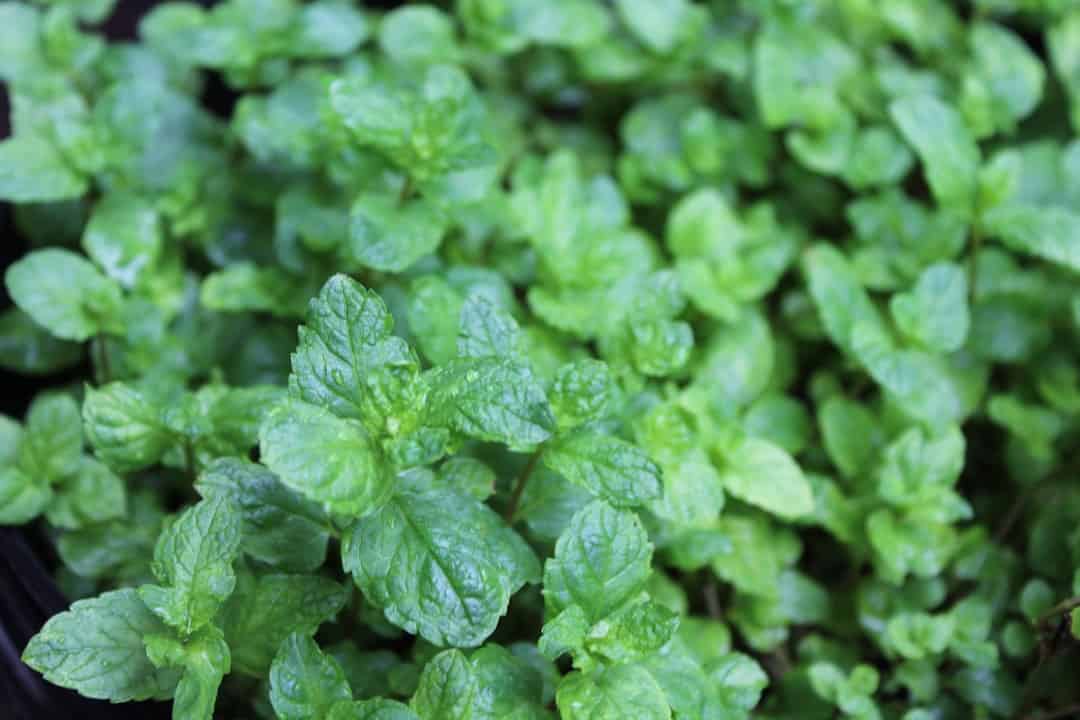
Growing mint is honestly one of the simplest ways to bring fresh, zesty flavor into your kitchen or garden. This adaptable herb does well in both sun and partial shade.
Whether you tuck it into a garden bed or just toss it in a pot on your balcony, mint fills out fast.
We’ve got a mint plant at the house I grew up in that’s still thriving, even after 50 years. I used to pick sprigs for Sunday roast as a kid! It found the perfect spot—soaking up morning sun and getting just the right amount of afternoon shade under a camellia hedge.
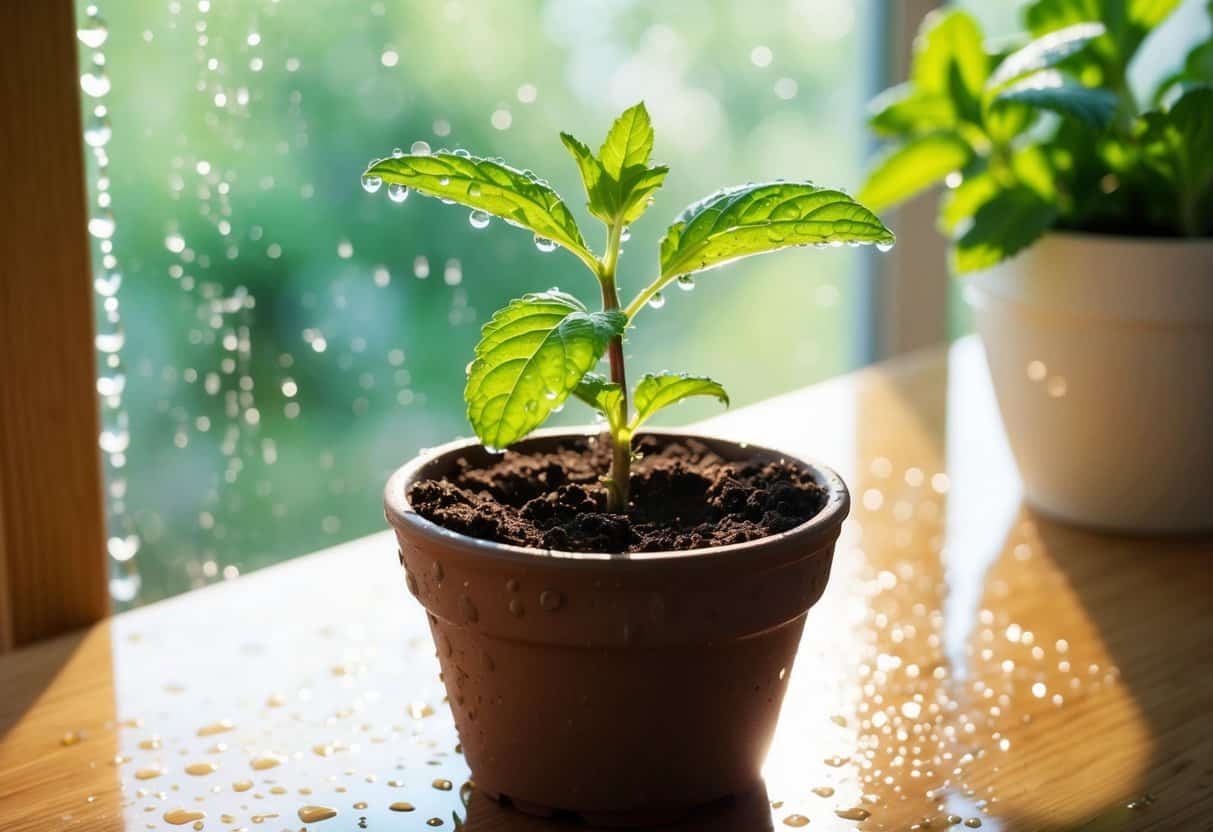
There are so many types of mint, each with its own vibe—think peppermint for tea, spearmint for salads. When I started out, I let mint loose in my veggie patch and, well, it took over half my garden!
Now, I always keep it in a container or a sunken pot. That way it stays tidy and easy to manage, so you get all the fresh leaves you want without worrying about an invasion.
Quick Tips for Mint
Best Time To Plant
Spring, after the last frost; can also be planted in early fall (Autumn) in mild climates
Sun / Lighting
Full sun to partial shade; prefers 4–6 hours of sunlight daily
Spacing
12–18 inches (30–45 cm) apart to allow for spreading
Soil Type / PH
Moist, well-drained soil; pH 6.0–7.5
Container Info
Use a wide container (at least 12 inches/30 cm across) with drainage holes
Propagation
Easily grown from cuttings, divisions, or starter plants; seeds are slower and less reliable
Once mint gets going, harvesting is as easy as pinching off a sprig whenever you need it. If you snip leaves regularly and keep an eye out for pests, this herb will keep on giving all season.
About Mint
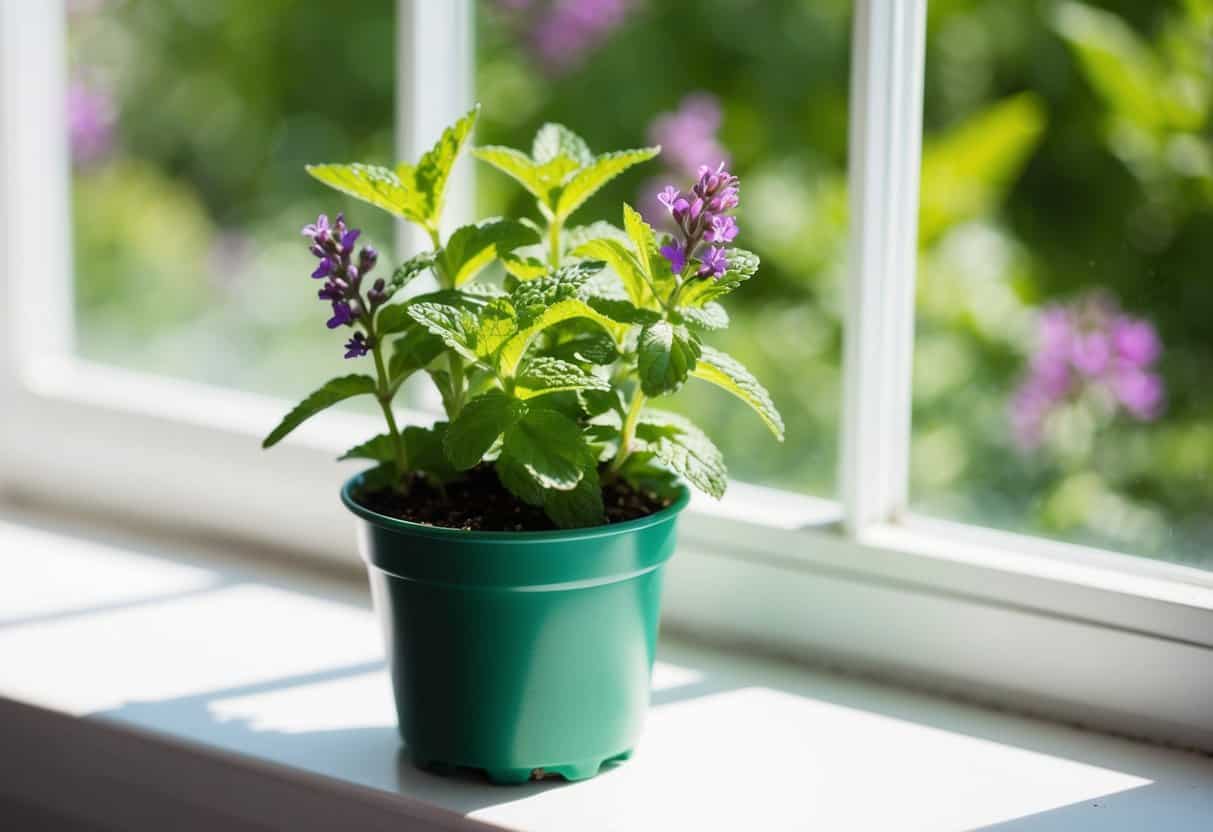
Mint is a super popular perennial herb, famous for its square stems, aromatic leaves, and its habit of spreading everywhere if you let it.
You’ll spot it in gardens and kitchens all over the world, loved for its fresh flavor and how easy it is to toss into drinks or dishes.
Mint Growth Habits
Mint grows as a bushy perennial, spreading mostly through underground runners called rhizomes. The square stems and toothed leaves are kind of its signature, and they might be smooth or a little fuzzy, depending on the variety.
This herb likes moist, well-draining soil and isn’t too picky about sun—it’ll do fine in full sun or partial shade. Once it’s settled in, mint can stick around for years, even making it through mild winters in lots of places.
It sends out runners that pop up as new plants, so, yeah, it can take over if you’re not careful. That’s why a lot of folks grow it in containers. Pruning regularly helps your mint get nice and bushy, which means more leaves for you to pick.
Growing Zones for Mint
USA:
- Zones 3–11, temperate to mild climates
- Grows as a perennial in most zones; protect roots with mulch in colder areas
Australia:
- Temperate, subtropical, and some arid
- Prefers cooler, moist spots; provide afternoon shade in hot regions and keep soil moist
Varieties Of Mint
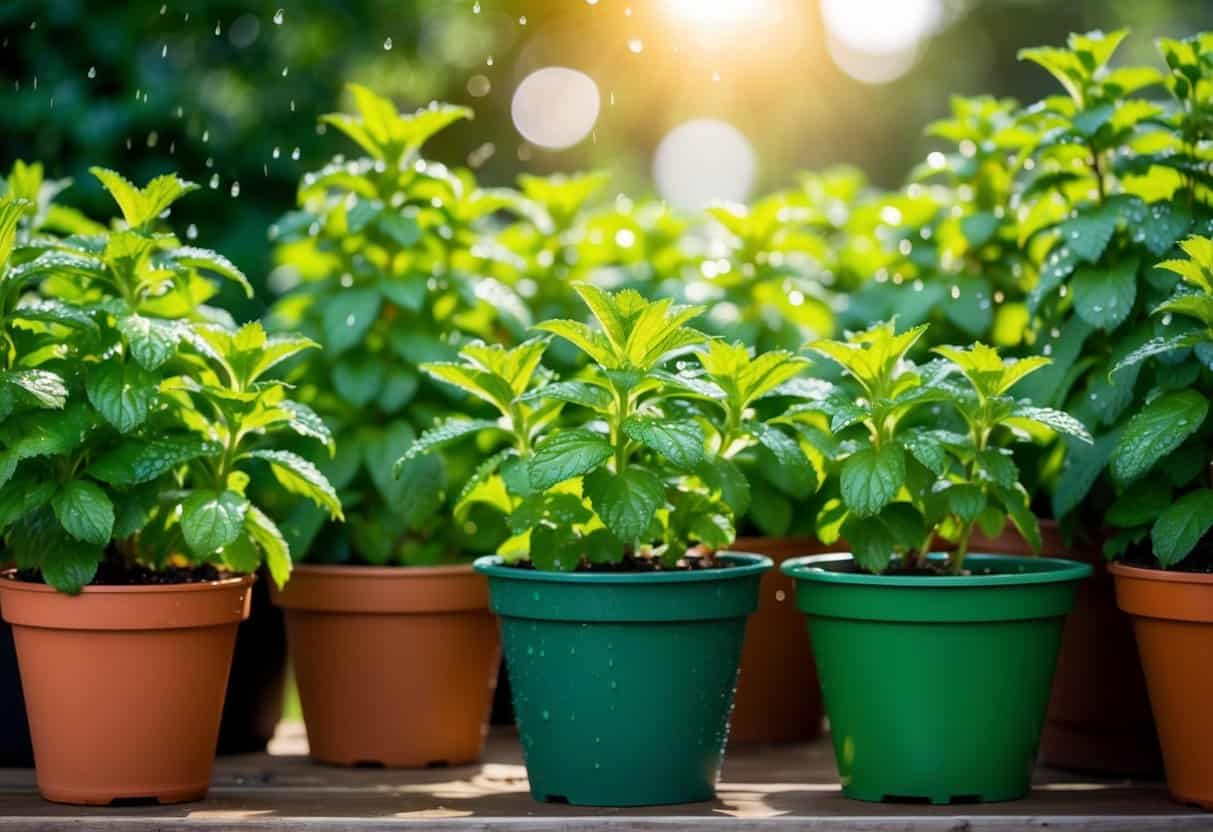
Mint comes in all kinds of types, and each brings something a little different to the table.
Mint varieties can easily cross-pollinate if grown close together, leading to hybrid plants with unpredictable and sometimes less desirable flavors.
To avoid this, keep different types of mint well separated—ideally in pots spaced far apart or even in different parts of the garden.
If you want to save seeds, grow only one variety or bag the flowers to prevent cross-pollination.
For the purest flavor, propagate mint from cuttings rather than seeds.
Spearmint (Mentha spicata)
Appearance: Bright green, pointed leaves with serrated edges; upright growth.
Flavor: Sweet, mild, and refreshing with classic mint taste.
Best Use: Mojitos, teas, salads, sauces, and garnishes.
Peppermint (Mentha × piperita)
Appearance: Dark green leaves with reddish stems; slightly larger leaves than spearmint.
Flavor: Strong, cool, and peppery; higher menthol content.
Best Use: Desserts, candies, herbal teas, and medicinal uses.
Chocolate Mint (Mentha × piperita ‘Chocolate’)
Appearance: Deep green leaves with a hint of bronze; chocolatey aroma.
Flavor: Minty with subtle chocolate undertones.
Best Use: Desserts, hot chocolate, and baking.
Apple Mint (Mentha suaveolens)
Appearance: Fuzzy, round, light green leaves; taller, bushy growth.
Flavor: Mild, fruity, with a hint of apple.
Best Use: Fruit salads, jellies, and refreshing drinks.
Pineapple Mint (Mentha suaveolens ‘Variegata’)
Appearance: Green and cream variegated leaves; slightly ruffled edges.
Flavor: Sweet, minty with a hint of pineapple.
Best Use: Garnishes, fruit salads, and summer beverages.
There’s even a rare orange mint with a citrusy scent—it pops up in fancy drinks sometimes.
If you’re going for container mint, any type will work, but variegated or pineapple mint looks especially pretty. For hot, dry areas, spearmint tends to handle the heat best.
Variety Selection Tips
Go for peppermint if you want bold flavor.
Try apple mint or pineapple mint for something a little different.
Drought-tolerant types are your friend in dry climates.
Mix a few varieties for a more interesting herb garden (keep varieties separated).


Planting Mint
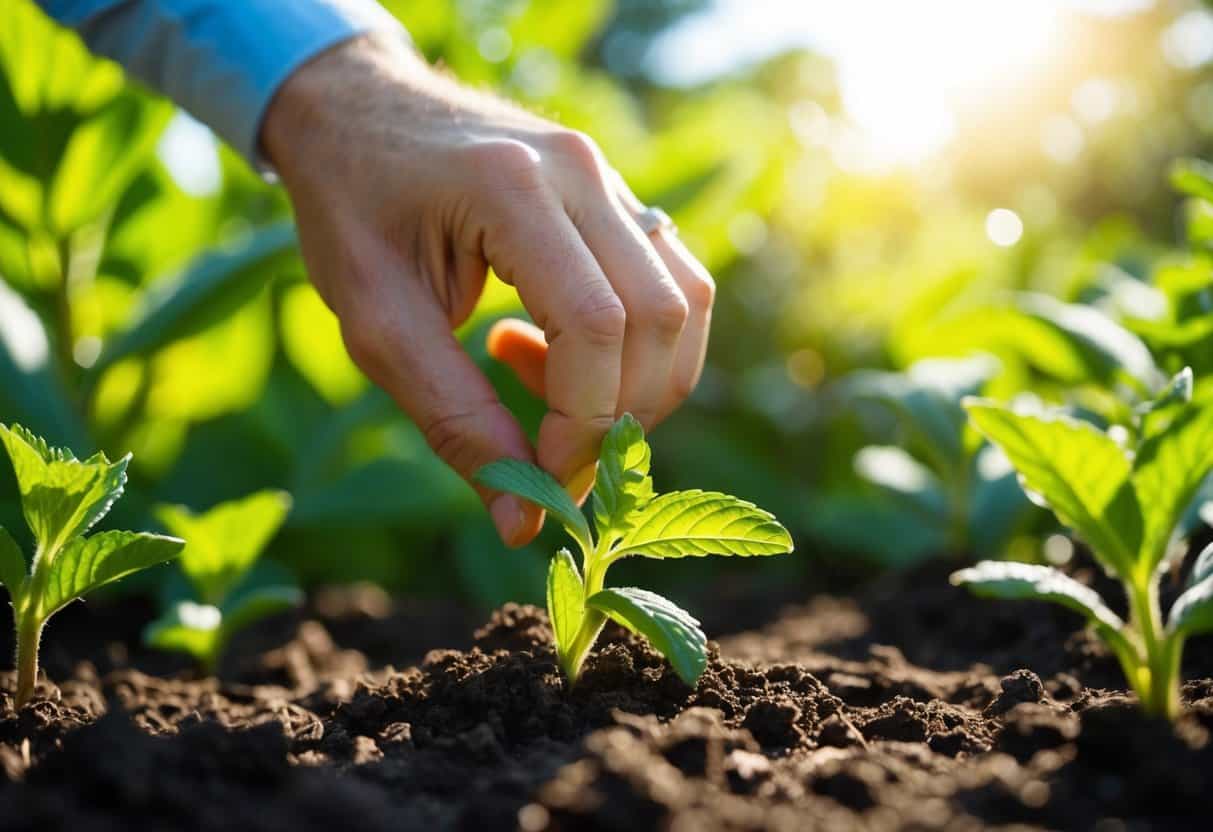
Mint is honestly a breeze to start, whether you’re working with a garden bed or a pot on the porch. The right timing and location make a big difference in how well it takes off.
When To Plant
Spring, right after the last frost, is the sweet spot for planting mint. If you live somewhere with mild winters, you can also plant early in the fall.
Mint likes to get going when it’s cool and moist. If you’re growing from seed, start them indoors about 8–10 weeks before your last expected frost. Transplants or potted mint can go outside once the soil isn’t frozen anymore.
Spacing matters, too. Give mint enough room, or just stick to a container. In most places , spring is safest, but you can sneak in potted starts until early autumn—just avoid the hottest, driest days.
Tip: Double-check your local frost dates. If you’re unsure, spring is your best bet.
Where To Plant
Mint likes full sun or partial shade. Full sun gives the most flavor and a bushier plant, but in really hot spots, a little afternoon shade keeps the leaves looking good.
Pick a spot with moist, well-draining soil. Mint doesn’t love dry sand or heavy clay, so aim for something in between. Good drainage helps prevent root rot.
Since mint can take over, keep it away from your main veggie or herb beds unless you’re okay with it wandering. I’ve seen folks plant it at the yard’s edge or in a spot where it’s free to roam.
Container/Small-Space Growing
Mint loves growing in containers. This is honestly the easiest way to keep it from taking over, and it’s perfect for patios or balconies.
Pick a pot that’s at least 12 inches (30 cm) wide, with big drainage holes. Clay or plastic both work—clay dries faster, which is handy if you’re a frequent waterer.
Use a good potting mix that drains well. Make sure your mint gets at least 4–6 hours of sun each day. If you want, you can even sink a big pot into the ground to keep roots cool and mint contained.
How To Plant
You can start mint from seed, stem cuttings, or nursery seedlings. Seed takes longer and can be a bit hit-or-miss, but it’s fun if you’re patient. Cuttings or store-bought starts are faster and easier for most folks.
From Seed:
• Sprinkle seeds thinly on the soil surface, gently pressing them in (don’t bury them deep).
• Keep the soil moist, not soggy, until you see sprouts—usually 10–15 days.
• Once seedlings have a couple true leaves, thin them to 18–24 inches (45–60 cm) apart.
From Starts/Cuttings:
• Dig a hole that’s as deep as the pot or cutting.
• Take the plant out of its container, loosen up the roots a bit, and set it in so the top of the root ball lines up with the soil surface.
• Fill in with soil, press gently, and water it in well.
Space plants 18–24 inches (45–60 cm) apart in the garden. For containers, just stick to one plant per pot—it’ll fill out fast enough!
Propagation
Mint is honestly one of the easiest herbs to multiply—almost too easy, if you ask some gardeners. You can use stem cuttings, root divisions, or even layer long stems right into the soil.
Each method works well, even if you’re just starting out. Let’s break them down.
Stem Cuttings:
• Take a healthy stem tip, about 4–6 inches (10–15 cm) long.
• Strip off the lower leaves, then pop it in water or moist soil.
Roots usually show up in a week or two. Once they’re at least an inch (2.5 cm) long, you can transplant.
Root Division:
• Dig up your mint clump in spring or fall.
• Gently pull clumps apart so each chunk has roots attached.
Replant these divisions with the same spacing as before. That’s it—super forgiving.
Layering:
• Bend a long mint stem down and bury part of it.
• Once it roots, snip it from the parent and move it where you want.
Plants grown from cuttings or divisions will be identical to the parent. Seeds? They’re a bit of a wild card, but sometimes that’s half the fun.
Care And Maintenance Of Mint
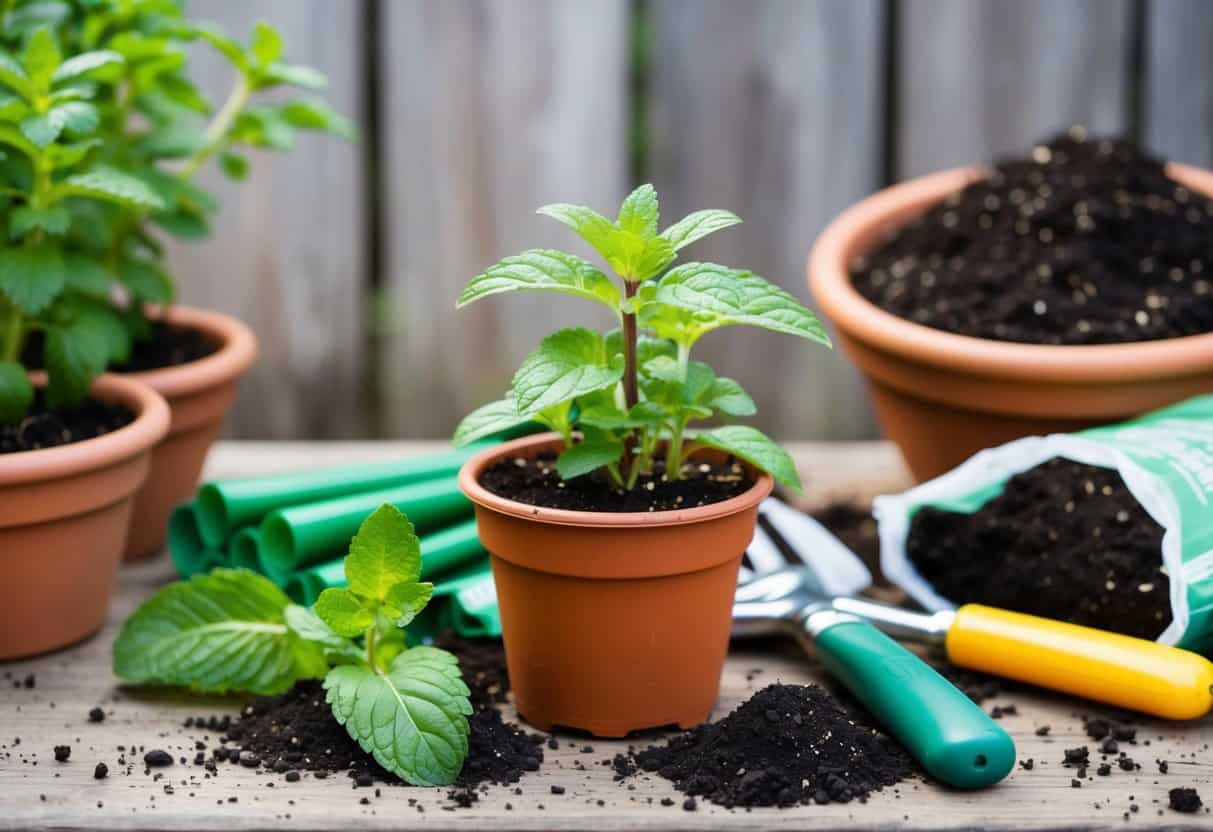
Mint is tough, but it does best when you give it a little attention. Watering, feeding, and the occasional haircut really make a difference.
Watering Needs
Mint likes its soil moist, but not soggy. Water whenever the top inch (2.5 cm) feels dry—just poke your finger in and check.
In warm weather, especially in pots or raised beds, you might water 2–3 times a week. Cooler climates usually mean less watering. Always go for well-drained soil or potting mix to dodge root rot.
If your tap water’s super hard, switch it up with rainwater or filtered water now and then. A layer of organic mulch—think straw or bark—helps lock in moisture and keeps weeds down.
Try to avoid overhead watering, since wet leaves can get fungal spots. That’s never fun.
Fertilizer
Mint isn’t super hungry, but it appreciates some nutrients when it’s growing fast. In early spring, mix in compost or well-rotted manure around your plants.
If you’re using fertilizer, pick a balanced organic one (like 10-10-10) and dilute it to half strength. Once every 4–6 weeks from spring through late summer is plenty.
Don’t go overboard—too much fertilizer makes the leaves big but not so tasty. Water well after feeding to get nutrients to the roots.
Skip fertilizer in fall or winter. If your soil’s already rich, you might not need to feed at all.
Pruning
Pruning is key if you don’t want mint to get wild or scraggly. Pinch or trim leafy stems every couple of weeks during the main growing season.
Once it starts flowering, cut it back by about a third. This helps keep the leaves coming and the flavor strong.
Use sharp, clean scissors or pruners—no one likes torn stems. Pull off any old or yellow shoots at the base.
In late fall (autumn), you can cut the whole plant down to about an inch (2–3 cm) above the soil. This lets the roots rest over winter and come back strong in spring.
Quick Tip Maintenance Checklist
Water when the top inch (2.5 cm) of soil is dry
Use well-drained, slightly acidic to neutral soil (pH 6.0–7.0)
Fertilize with compost or diluted balanced fertilizer in spring and summer
Pinch or trim stems every 2–3 weeks
Cut back hard after flowering or at season’s end
Remove spent or yellow leaves to keep plants healthy
Mint Problems And How To Fix Them
Mint is pretty resilient, but every once in a while, pests, diseases, or weird growth issues pop up. Spotting problems early makes a big difference.
Pests
Mint is generally tough, but a few pests can still cause problems, especially if plants are crowded or stressed.
Aphids
Symptoms: Clusters of tiny green, black, or white bugs on stems and new growth; leaves may curl or feel sticky.
Solution: Spray with a strong jet of water or use insecticidal soap. Encourage ladybugs and other beneficial insects.
Spider Mites
Symptoms: Fine webbing on leaves, yellow speckles, or dry, stippled foliage—especially in hot, dry weather.
Solution: Increase humidity, spray leaves with water, and use insecticidal soap if needed.
Mint Flea Beetles
Symptoms: Tiny holes in leaves, leaves may look tattered.
Solution: Hand-pick beetles or use floating row covers to protect plants.
Regularly check under leaves and along stems for bugs. Keeping mint healthy and well-watered helps it resist pests.
Most animals and birds generally avoid eating mint because of its strong aroma and flavor, which acts as a natural repellent.
- Rabbits and deer rarely bother mint, but in times of food scarcity, they might take a bite.
- Birds typically do not eat mint leaves, though they may sometimes peck at young shoots or seedlings, but this is uncommon.
Diseases
Too much moisture and poor airflow are the main causes of disease in mint.
Mint Rust
Symptoms: Orange or brown spots on the underside of leaves; leaves may drop early.
Solution: Remove and destroy affected leaves, avoid overhead watering, and improve air circulation.
Powdery Mildew
Symptoms: White, powdery coating on leaves and stems.
Solution: Prune for better airflow, avoid wetting leaves, and remove infected parts.
Root Rot
Symptoms: Yellowing, wilting, or stunted growth; roots appear brown and mushy.
Solution: Ensure soil drains well and let the top inch dry out between waterings. Remove severely affected plants.
Water at the base of the plant and space mint well to prevent most fungal problems.
Growing Problems
Mint grows fast, but a few things can slow it down.
Leggy or Spindly Growth
Symptoms: Long, weak stems with fewer leaves.
Solution: Move to a sunnier spot and pinch tips regularly to encourage bushiness.
Yellow Leaves
Symptoms: Lower leaves turn yellow or drop off.
Solution: Check for overwatering or poor drainage; water only when the soil feels dry on top.
Lack of Flavor
Symptoms: Leaves taste bland or weak.
Solution: Grow mint in full sun and harvest just before flowering for the best flavor.
Trim mint often and divide crowded plants every few years to keep them healthy and productive.
Harvesting Mint
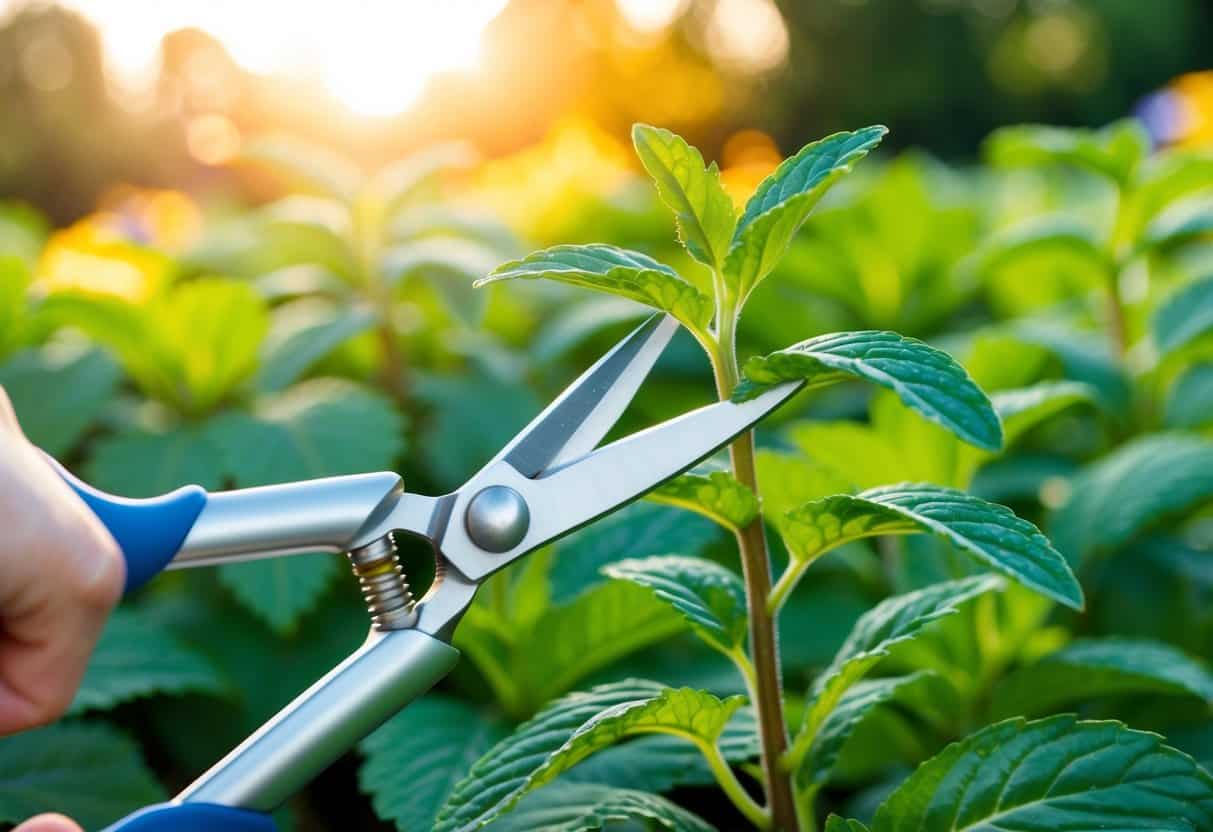
Mint gives you fresh leaves for tea, cooking, or just snacking if you pick it right. Timing and technique matter for the best flavor and a happy plant.
When To Harvest
Start harvesting when your mint is at least 4–6 inches (10–15 cm) tall and has plenty of leaves. The best flavor hits just before it starts to flower, when the oils are strongest.
Late spring to early summer is prime time for a big harvest, but you can snip a little anytime. Picking regularly keeps mint bushy and stops it from getting leggy.
If you see buds, harvest before flowers open—leaves lose flavor after blooming.
In fall, go for a bigger cutback to gather leaves before winter slows things down.
How To Harvest
Always grab clean, sharp scissors or garden shears. Cut whole stems—not just single leaves—for better regrowth next time.
Snip stems just above a leaf node, about 2–4 inches (5–10 cm) above the soil if you’re going for a bigger harvest. For a small handful, just pinch off the tops—again, 2–4 inches (5–10 cm) is usually enough.
Make sure you leave enough stem and leaves behind, so the plant keeps chugging along. Never cut more than one-third of the plant at once, or you’ll risk stressing it out.
After a big harvest, give the plant a good drink. In late summer or fall, trimming most stems back can set up healthy regrowth for next year.
Tip: If you’re after the best taste and scent, harvest mint early in the morning, just after the dew dries.
Harvesting Tips
Start when plants hit 4–6 inches (10–15 cm) tall.
Best flavor? Harvest before flowers show up.
Always cut stems above a leaf node.
Don’t remove more than a third at a time.
Major cutback in fall helps prep for winter
Storing Mint
Proper storage keeps your mint fresh and flavorful, whether you’re using it right away or saving it for later. Here’s how to make the most of every sprig:
Room Temperature Storage
Duration: 2–3 days
Best For: Quick use in drinks, salads, or garnishes
Keep mint stems in a glass of water on the counter, just like a bouquet. Change the water daily and keep out of direct sunlight.
Refrigerator Storage
Duration: 1–2 weeks
Best For: Keeping mint fresh for recipes and meal prep
Wrap mint loosely in a damp paper towel, then place it in a plastic bag or airtight container in the fridge. This keeps the leaves from drying out.
Freezing
Duration: Up to 6 months
Best For: Cooking, teas, and smoothies
Chop mint leaves and freeze them in ice cube trays with a splash of water or olive oil. Once frozen, transfer cubes to a freezer bag for easy use.
Drying
Duration: 6–12 months
Best For: Long-term storage and seasoning
Tie small bunches of mint and hang them upside down in a warm, airy spot until the leaves are crisp. Store dried leaves in an airtight jar away from light and heat.
Properly stored mint means you’ll always have that fresh, cool flavor on hand—no matter the season!
Benefits and Uses of Mint
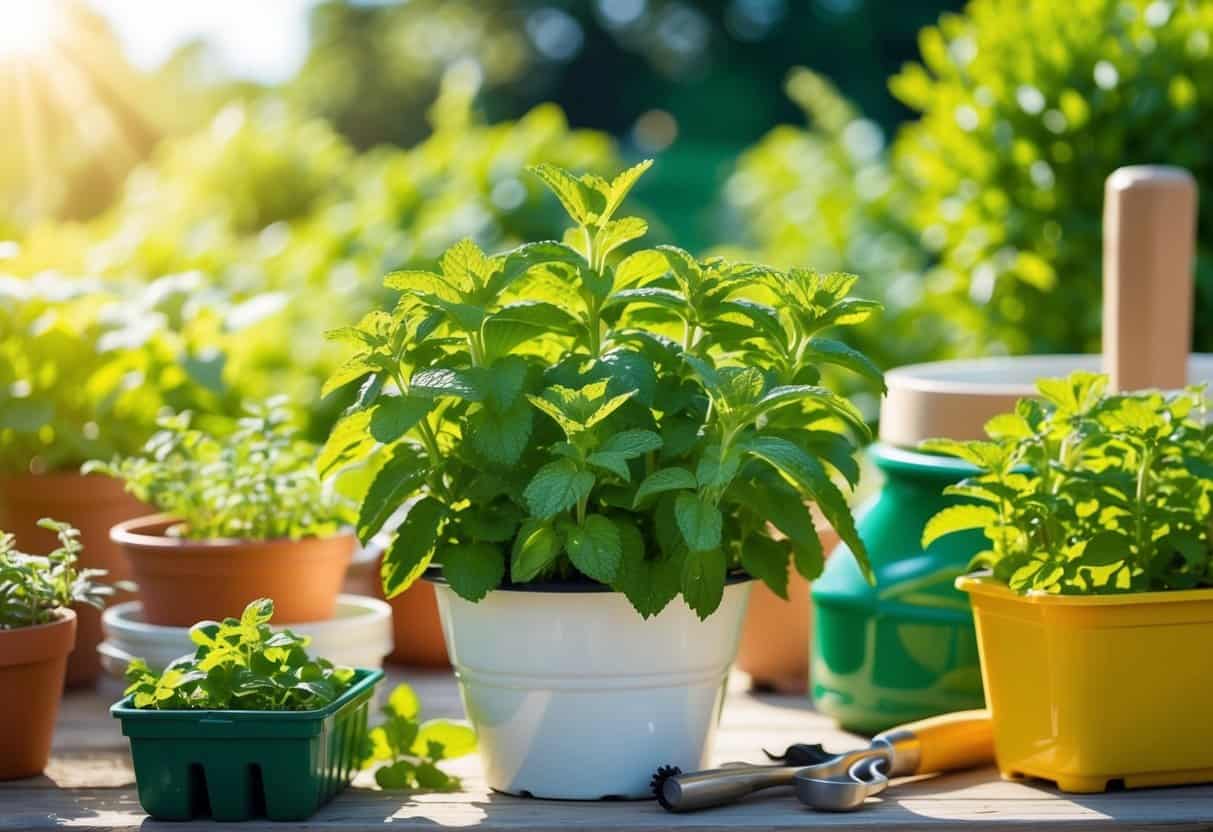
Fresh mint adds color, flavor, and a whiff of something special to so many dishes. The leaves are handy as a quick home remedy or even to keep bugs away.
Cooking With Mint
Mint’s one of those herbs that plays well with both sweet and savory. Chop some into fruit salads for a cool kick, or try it in classics like lamb with mint sauce or new potatoes tossed with butter and fresh leaves.
Drop whole mint leaves into iced tea, lemonade, or a homemade mint julep—so refreshing. Mint tea is soothing, and it’s said to help with digestion and the occasional upset stomach.
It’s also great with veggies like peas, tomatoes, or even cabbage. Add a bit to chocolate desserts, swirl through yogurt, or toss on top of cakes and candy for an aromatic finish.
Family Recipes
There are plenty of simple, crowd-pleasing recipes that use mint. Here are a few easy ones:
Mint Tea: Pour hot water over a handful of fresh leaves. Let it steep for five minutes, and add honey if you’re feeling fancy.
Minted New Potatoes: Toss cooked new potatoes with chopped mint and a dab of butter.
Quick Fruit Salad: Stir chopped mint into diced melon, strawberries, or citrus.
Mint Chutney: Blend fresh mint, a squeeze of lemon, a bit of chili, and some cilantro for a zesty dip.
Chocolate Mint Bark: Melt chocolate, spread it on a tray, and sprinkle with chopped mint. Chill until it sets.
Kids can help with these, and honestly, mint makes everything taste a bit brighter with almost no effort.
Frequently Asked Questions
Mint’s a tough herb that grows fast, whether you start from seeds, cuttings, or a small plant. It doesn’t ask for much, but a little know-how with water, light, and harvesting goes a long way.
What do you need to know about propagating mint from cuttings?
Starting new mint from cuttings is super simple. Snip a healthy stem about 4–6 inches (10–15 cm), strip off the lower leaves, and stick it in a glass of water.
Set it somewhere bright but not in direct sun. Change the water every few days. Roots usually show up in about a week.
Once those roots are 1–2 inches (2.5–5 cm) long, move the cutting to a pot or straight into the garden.
Looking to grow mint indoors, what are the essentials for success?
Pick a pot with drainage holes and fill it with light, rich potting mix. Place it near a sunny window—aim for 4–6 hours of light daily. If your kitchen’s a little gloomy, a grow light helps.
Water when the top inch (2.5 cm) of soil feels dry, but don’t let it get soggy. Trim stems often to keep things bushy and healthy.
Want to grow mint in a pot? What are the best practices?
Pick a container at least 12 inches (30 cm) wide—mint loves to spread. Use well-draining soil and make sure the pot drains well.
Water when the surface feels dry, but don’t drown it. Full sun or partial shade is fine. Trim often for a bushy, happy plant. Watch that roots don’t sneak out the bottom.
Curious about water propagation for mint, how is it done effectively?
Snip a 4–6 inch (10–15 cm) tip from a healthy mint stem. Strip the bottom leaves and stick the stem in a glass of fresh water.
Change the water every couple of days and keep it in a bright spot, but not in direct sunlight. Once roots are at least an inch (2.5 cm) long, plant your new mint in soil.