

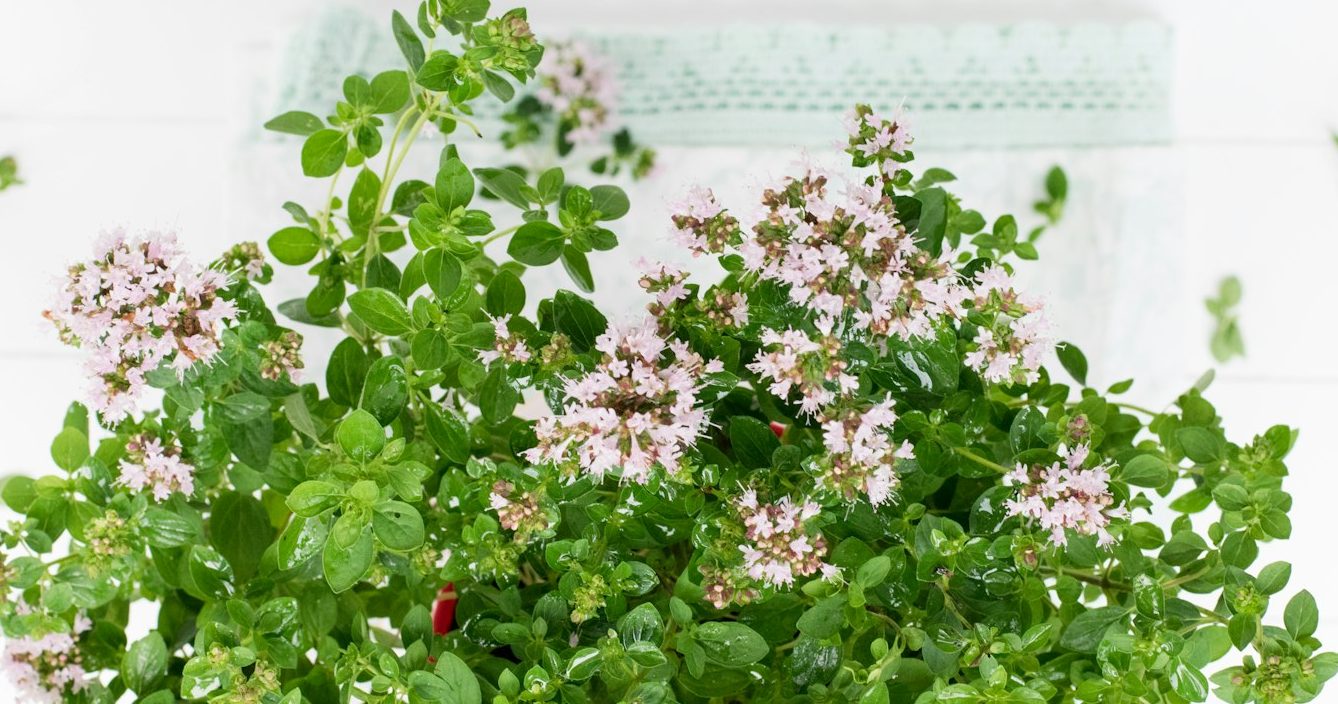
Ever wanted an easy herb that brings gentle, sweet flavor to your kitchen and a pop of green to your garden?
You can grow marjoram in your own herb patch, even if you’re working with just a sunny windowsill or a balcony container.
Marjoram is a great pick for beginners and home cooks. It barely asks for much, but rewards you with aromatic leaves that work in so many dishes.
This herb loves a sunny spot and doesn’t fuss about warm weather.
With just a little attention, marjoram grows bushy and full. You’ll have fresh or dried leaves on hand for soups, sauces, and salads before you know it.
If you’re new to herbs, marjoram’s easygoing attitude and lovely taste make it a pretty friendly place to start.
Here’s a Quick Tips table with the basics for growing happy, healthy marjoram.
Quick Tips for Marjoram
Best Time To Plant
Spring, after last frost
Sun / Lighting
Full sun (6+ hours daily)
Spacing
12 inches / 30 cm between plants
Soil Type / PH
Well-drained, fertile soil; pH 6.7–7.0
Container Info
Use pots at least 8–10 in (20–25 cm) wide with drainage holes
Propagation
Seeds, cuttings, or by division
Even on my tiny apartment balcony, with only a modest amount of sunlight, marjoram proved to be both resilient and rewarding.
It quickly became one of those “why didn’t I try this sooner?” herbs that I now reach for regularly in my cooking.
About Marjoram
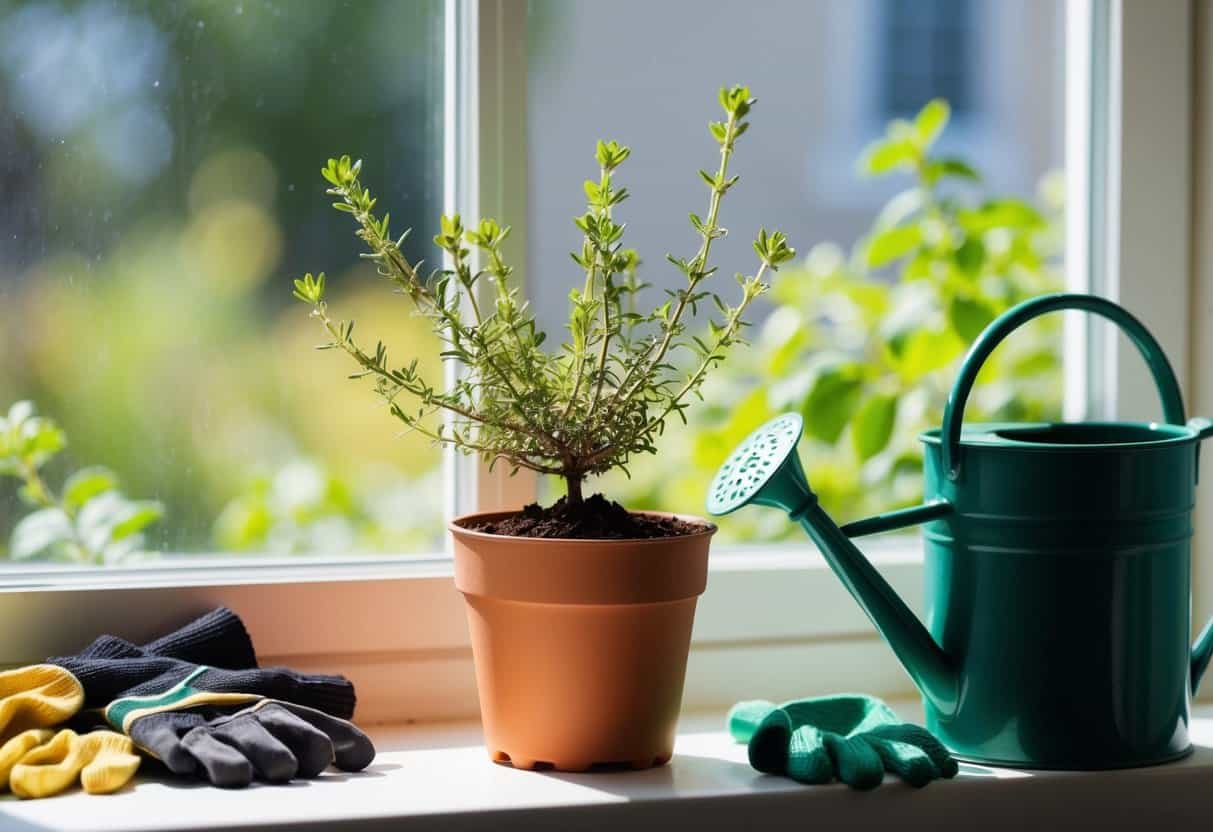
Marjoram (Origanum majorana) is a fragrant herb, related to oregano, that brings both flavor and a bit of charm to your garden. Its soft leaves and sweet aroma win over cooks, while its bushy, gentle look blends in well with other herbs.
Marjoram Growth Habits
Marjoram grows as a compact, bushy herb with soft, pale green stems that branch out near the base. The plant forms tidy, rounded mounds and stays pretty manageable all season.
It’s a tender perennial in warm climates, but most people grow it as an annual if winters get cold. Marjoram likes well-drained, sandy or loamy soil and needs full sunlight to really do its thing.
If you’re somewhere with mild winters, marjoram might keep going year-round. In most places, though, it’s best to plant in spring after frost has passed.
Regular pinching or light pruning helps it branch out even more. That means you’ll get denser, leafier plants. This mild, sturdy herb fits right in with other oregano relatives and brings its own special flavor to your cooking—and a little charm to your garden beds, too.
Growing Zones for [Plant]
USA:
- Zones 9–10 (warm climates)
- True marjoram is frost-tender and best grown as a perennial in warm zones. In cooler zones, grow as an annual or bring pots indoors before frost.
Australia:
- Temperate, Mediterranean, subtropical
- Thrives in warm, dry regions with well-drained soil. Treat as a perennial in frost-free areas; in cooler zones, grow as an annual.
Varieties Of Marjoram
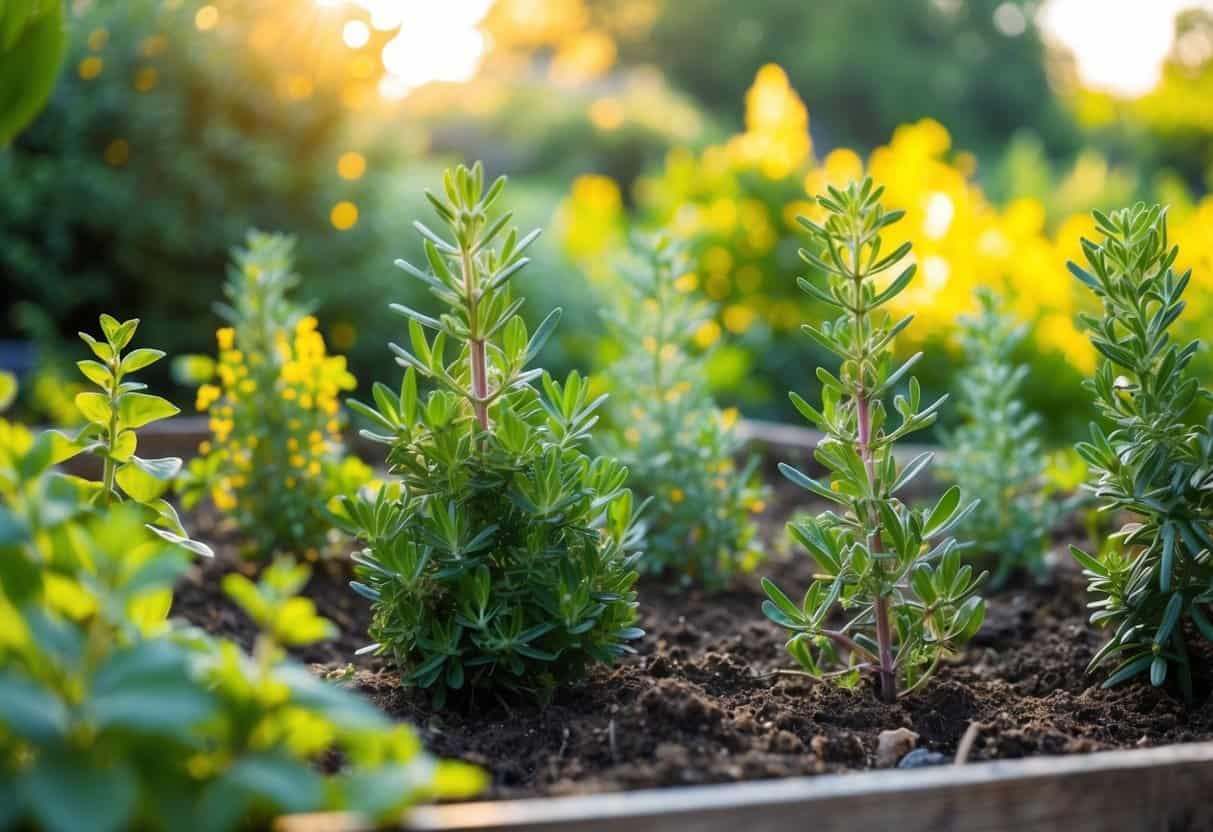
There are a few types of marjoram, and each one has its own look, taste, and best kitchen use. Picking the right variety can make your garden and your meals a bit more interesting.
Sweet Marjoram
Appearance: Small, oval, gray-green leaves; bushy, compact shape
Flavor: Mild, sweet, and lightly spicy with a hint of pine
Best Use: Most common for cooking—great for soups, salads, dressings, and marinades
Knotted Marjoram (also called Pot Marjoram)
Appearance: Rounded clusters (“knots”) of small leaves; a bit fuzzier than sweet marjoram
Flavor: Mild but more earthy and pungent
Best Use: Good in slow-cooked dishes like stews, roasts, and hearty sauces
Greek Marjoram
Appearance: More upright, slightly woody stems; small, light green leaves
Flavor: Stronger and spicier, with herbal and peppery notes
Best Use: Adds depth to Mediterranean recipes—try it on grilled meats or veggies
Golden Marjoram
Appearance: Bright yellow-green leaves that add a splash of color
Flavor: Like sweet marjoram, but a bit milder
Best Use: Great for fresh garden flavor and as an edible border plant
Variegated Marjoram (rare)
Appearance: Leaves with creamy white and green patterns
Flavor: Delicate and subtle, less pungent than other types
Best Use: Decorative gardens, fresh salads, and garnish
Picking the right marjoram depends on your climate and what you like to cook. If you want classic flavor, sweet marjoram is the way to go. If you’re after something unique, golden or variegated types are fun for borders.
Quick Tips for Choosing a Variety
Sweet marjoram is perfect for most home cooks
Pot (knotted) marjoram is hardy and good for cool climates
Greek marjoram adds bold flavor to grilling
Golden or variegated types are best for color and fresh use
Check seed packets for cold tolerance if winters are harsh


Planting Marjoram
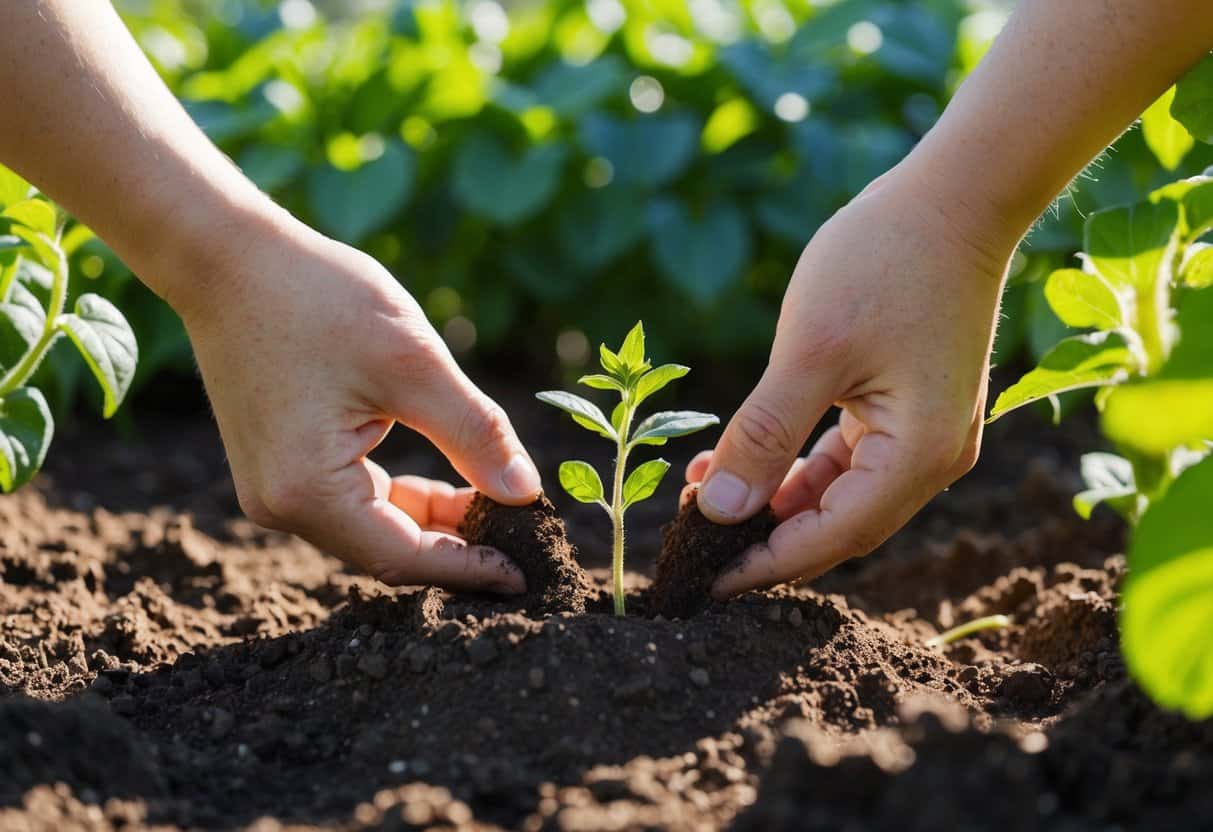
Getting marjoram started right sets you up for healthy, bushy plants all season. You can grow from seed or use young transplants, but pay attention to sun, soil, and spacing for the best results.
When To Plant
Marjoram likes warmth and shouldn’t be planted until after the last frost in spring. Watch your local forecast and aim to sow or transplant when daytime temps are steady above 60°F (16°C).
Trying to plant too early can cause seeds or seedlings to rot or just stop growing. In most places, you can start marjoram indoors about 6–8 weeks before your last expected frost.
Use a small pot or tray and keep the growing medium lightly moist and warm. If your windows are shady, a grow light helps a lot.
For direct sowing outdoors, wait until the soil has completely thawed and isn’t soggy. In really warm areas, you can even try a late summer or autumn sowing.
Where To Plant
Marjoram grows best in full sun and warm spots. Find a place in your garden that gets at least 6–8 hours of sunlight daily.
If you’re in an area with scorching summers, a bit of gentle afternoon shade can help your plants avoid stress. The soil should be well-drained and loose, with good airflow around the plants.
Sandy or loamy soil is ideal—avoid places that stay wet after rain. If your soil is heavy or sticky, mix in sand or compost for drainage.
A sheltered spot, maybe near a wall or fence, can help marjoram thrive by blocking strong winds.
Container/Small-Space Growing
Marjoram is awesome for pots, window boxes, and small gardens. Use a container at least 8–10 inches (20–25 cm) across so the roots have room to spread.
Drainage holes are a must—marjoram really doesn’t like soggy soil. Choose a light, well-drained potting mix, not heavy garden dirt.
Mix in some sharp sand or perlite if you want even better drainage. Keep your container in a bright spot, like a sunny balcony or patio.
Indoors, set the pot by a south-facing window or use a small grow light. Water when the top inch (2–3 cm) of soil is dry—containers dry out fast, especially in hot weather.
How To Plant
You can plant marjoram by sowing seeds, either directly in the garden or indoors to transplant later.
For seeds:
- Sow seeds on the surface of moist seed-starting mix, press gently but don’t cover.
- Keep trays indoors at 65–70°F (18–21°C) in bright light or under a grow light.
- Mist to keep soil just barely moist.
- Germination takes 7–14 days.
Once seedlings have 2–3 pairs of leaves, thin or transplant them. Outdoors, space plants 12 inches (30 cm) apart in rows.
If moving seedlings, gently ease them out and plant at the same depth. For direct sowing, prepare a bed of loose, crumbly soil and follow the same surface-sowing steps.
Thin seedlings as needed once they pop up. Transplants are easier if you want a head start or have a short growing season. Use healthy young plants from a nursery or started indoors.
Propagation
There are a few ways to propagate marjoram:
From seed:
- Most common and simple for beginners.
- Offers genetic diversity.
From stem cuttings:
- Take a 4-inch (10 cm) healthy stem in late spring or early summer.
- Remove lower leaves and place in water or moist potting mix, in a bright spot out of direct sun
- Roots form in 2–3 weeks. Once you see roots, pot up or plant outside.
By division:
- Larger, older marjoram clumps can be gently dug up and split in early spring.
- Carefully pull apart root sections and plant each in fresh soil.
Cuttings and division give you exact copies of the parent plant, which is nice if you’ve found a favorite. Seed-grown marjoram might have small differences in growth or flavor, which can be fun - or a little unpredictable.
Care And Maintenance Of Marjoram
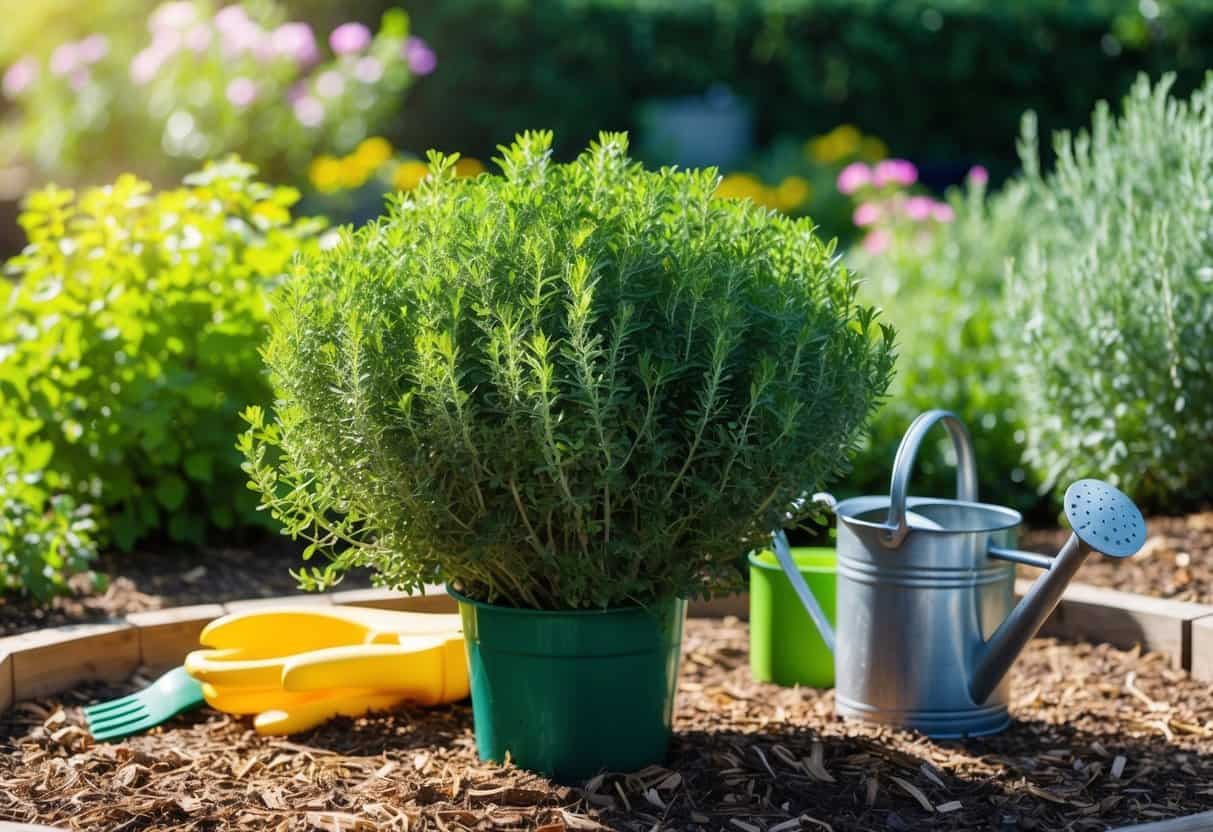
Marjoram is pretty low-maintenance once it’s settled in, but a little regular care goes a long way. Focus on proper watering, feeding, and a bit of pruning to keep your marjoram healthy and ready for the kitchen.
Watering Needs
Marjoram likes light, well-drained soil. It grows best when the soil stays evenly moist, especially in the first season.
New plants need regular watering until they settle in. After that, marjoram becomes pretty drought-tolerant.
Fertilizer
You really don’t need much fertilizer for marjoram. Too much can actually make the leaves lose flavor and the plant get leggy.
Focus on improving the soil before planting, then just a light feed during the season if needed.
For marjoram in pots, a balanced, slow-release organic fertilizer is all you need—just a pinch for steady growth.
Pruning
Pruning keeps marjoram bushy and productive. It encourages new stems and stops the plant from getting woody.
After pruning, a light watering helps the plant recover and bounce back faster.
Marjoram Problems And How To Fix Them
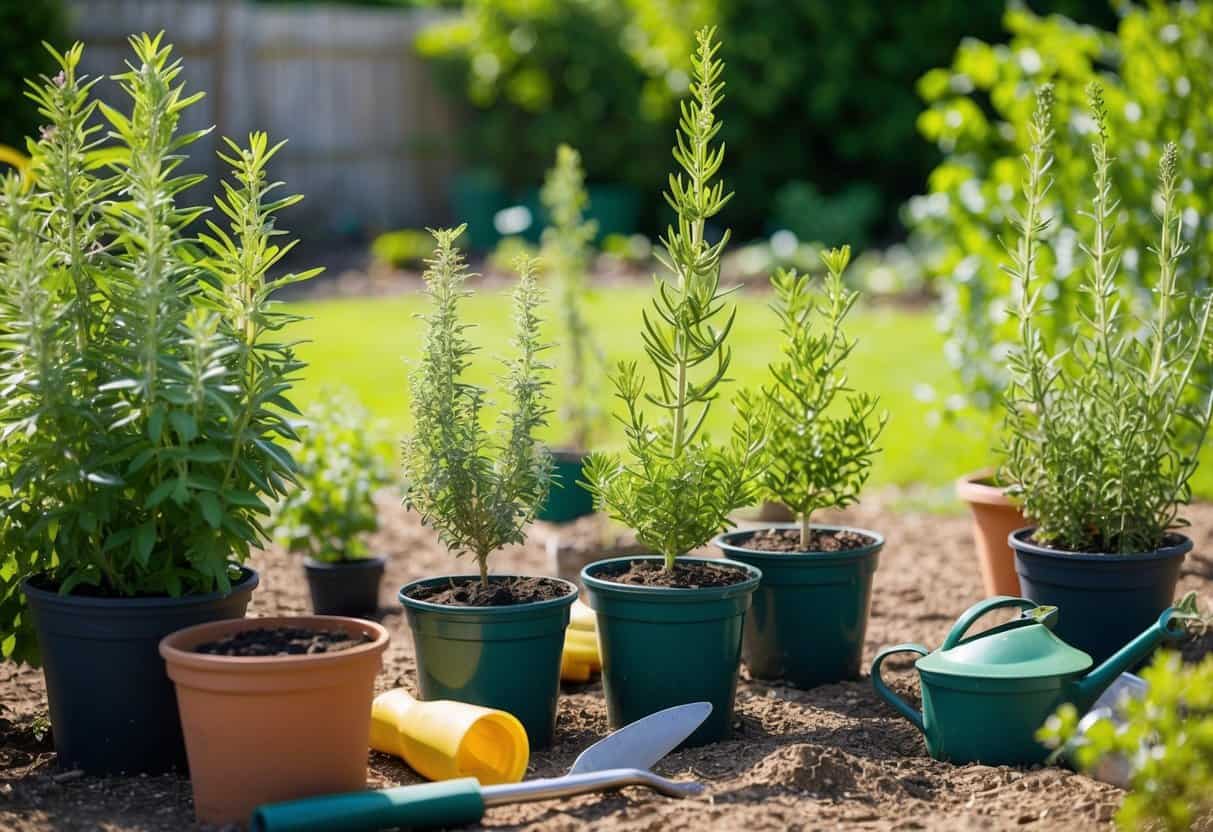
Marjoram is usually pretty easy, but sometimes you’ll spot chewed leaves, yellowing, or slow growth. If you know what to look for, you can fix most problems before they get out of hand.
Pests
Aphids
Symptoms: Aphids gather on young stems and leaves, leaving sticky honeydew. Leaves might curl or look weird.
Solution: Blast them off with water, or use insecticidal soap. Ladybugs and lacewings also help a lot.
Spider Mites
Symptoms: Fine webs, tiny yellow or brown dots, and leaves that look dusty.
Solution: Mist plants for humidity. Wash leaves with soapy water or use horticultural oil.
Slugs and Snails (mostly outdoors)
Symptoms: Ragged holes in leaves, slime trails on soil or pots.
Solution: Hand-pick slugs in the evening. Copper bands or rough mulch are good deterrents.
Deer, rabbits, and birds usually don’t bother marjoram in the US or Australia.
Diseases
Root Rot
Symptoms: Yellow or wilting leaves, collapsed stems, roots turning brown and mushy.
Solution: Water less and improve drainage. Use well-draining soil and pull out badly affected plants.
Powdery Mildew
Symptoms: White powdery spots on leaves and stems. Leaves might yellow and fall off.
Solution: Space plants for airflow. Remove sick leaves and try a sulfur or potassium bicarbonate spray if it gets bad.
Damping-Off (seedlings)
Symptoms: Seedlings wilt and die, stems rot at the soil line.
Solution: Use sterile seed-starting mix. Don’t overwater or crowd seedlings.
Spot and Fix Marjoram Problems
Clear weeds and old plant bits to keep pests and disease away.
Only water when the top inch (2.5 cm) of soil is dry.
Look over your marjoram regularly for pests or disease—catching things early is key.
Growing Problems
Yellow Leaves (Overwatering)
Symptoms: Leaves turn pale or yellow, starting from the base.
Solution: Let the soil dry out between waterings. Make sure pots drain well.
Woody Stems
Symptoms: Older plants get tough, woody stems and fewer soft leaves.
Solution: Prune often for tender new growth. Harvest before flowering for the best leaves.
Stunted Growth (Not Enough Sun)
Symptoms: Plants stay small, stems get weak, little or no new leaves.
Solution: Move marjoram to a spot with at least 6 hours of sun a day.
Harvesting Marjoram
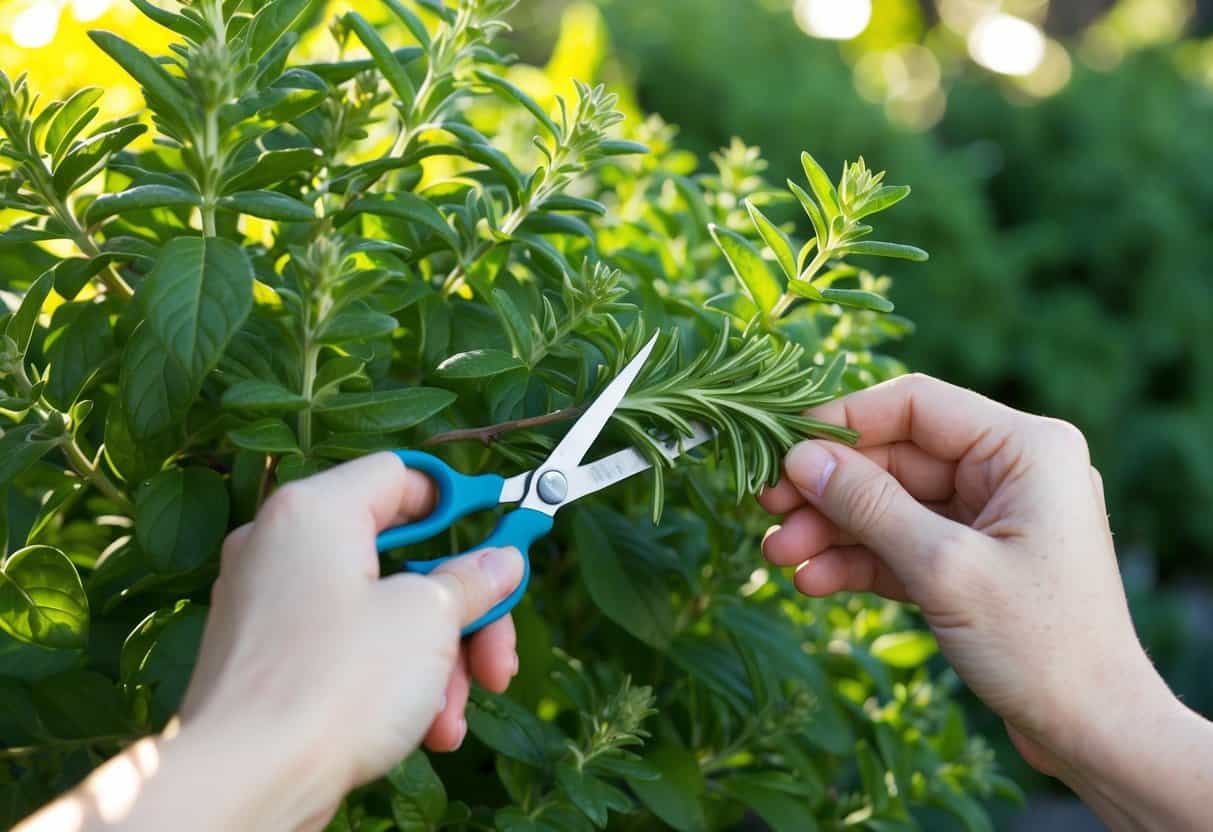
Getting the timing and method right for harvesting marjoram keeps your plants producing and gives you the best flavor. It’s pretty easy once you get the hang of it.
When To Harvest
Start picking marjoram about 4 to 6 weeks after planting or when plants hit 4 to 6 inches (10–15 cm) tall. The absolute best flavor is right before the buds open.
If you’re growing from seed, expect to harvest in about 60 days after sowing. In mild areas, you can snip sprigs from spring through early fall.
For the richest taste, harvest in the morning after the dew dries but before the sun gets too hot.
Check your plants often so you don’t miss the best window. If you keep pinching back the tips, marjoram stays bushy and keeps growing new leaves.
How To Harvest
Use sharp scissors or garden snips to cut the upper stems. Don’t take more than a third of the plant at once—leave enough for it to keep growing.
Here’s what works for most folks:
- Cut just above a leaf pair or node
- Gather small bunches for drying or fresh use
- Pinch or snip leaves as you need them
- Skip cutting into tough, woody stems
If you want a big harvest at the end of the season, trim the whole plant back to about 2 inches (5 cm) above the soil. Shake off bugs and dirt, and rinse the leaves if you want to.
Always use clean tools to avoid spreading disease.
Harvesting best practices:
- Harvest often to keep new growth coming
- Don’t cut more than a third at once
- Clean, sharp tools make the job easier and safer for your plant
Storing Marjoram
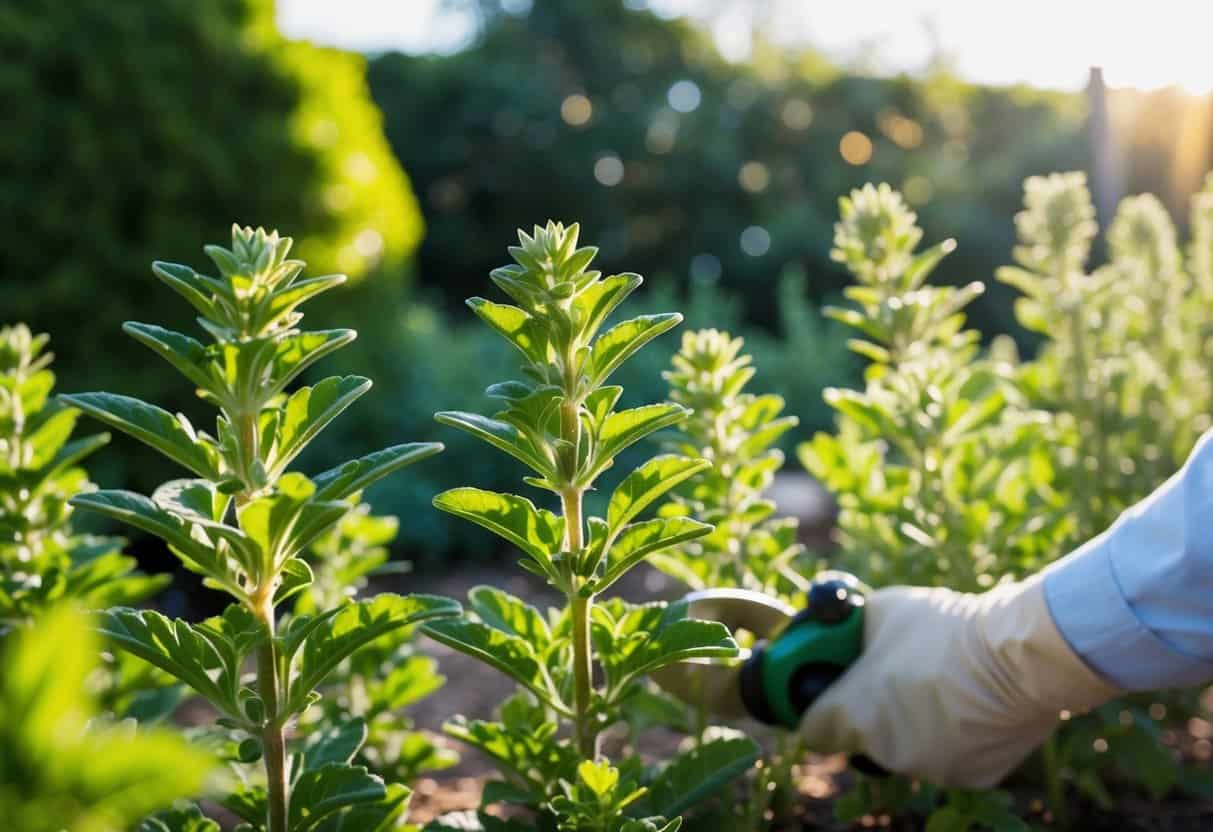
After you harvest marjoram, you’ll want to hold onto that fresh flavor and aroma. There are a few storage methods, so pick what fits your kitchen and style.
Fresh in the Refrigerator
Lasts about a week
Great for daily use—salads, sauces, or as a garnish
Dried in an Airtight Jar
Keeps 6 months to a year
Best for cooking, seasoning blends, or winter supplies
Frozen in Ice Cube Trays
Lasts about 6 months
Handy for soups or stews where texture isn’t a big deal
Bundled and Hung Dry
Up to a year if stored right
Nice for teas, spice mixes, or crafts
Before storing, pick out any tough stems and wash the leaves gently. Pat them dry so you’re not trapping extra moisture.
Preservation Tips
Chop fresh leaves and pack them into ice cube trays. Cover with water or olive oil, then freeze. Pop a cube straight into recipes for a hit of fresh flavor.
Keep dried marjoram in a cool, dark spot to protect the oils that give it taste and scent. Label jars so you know when you stored them—trust me, it helps.
Benefits and Uses of Marjoram
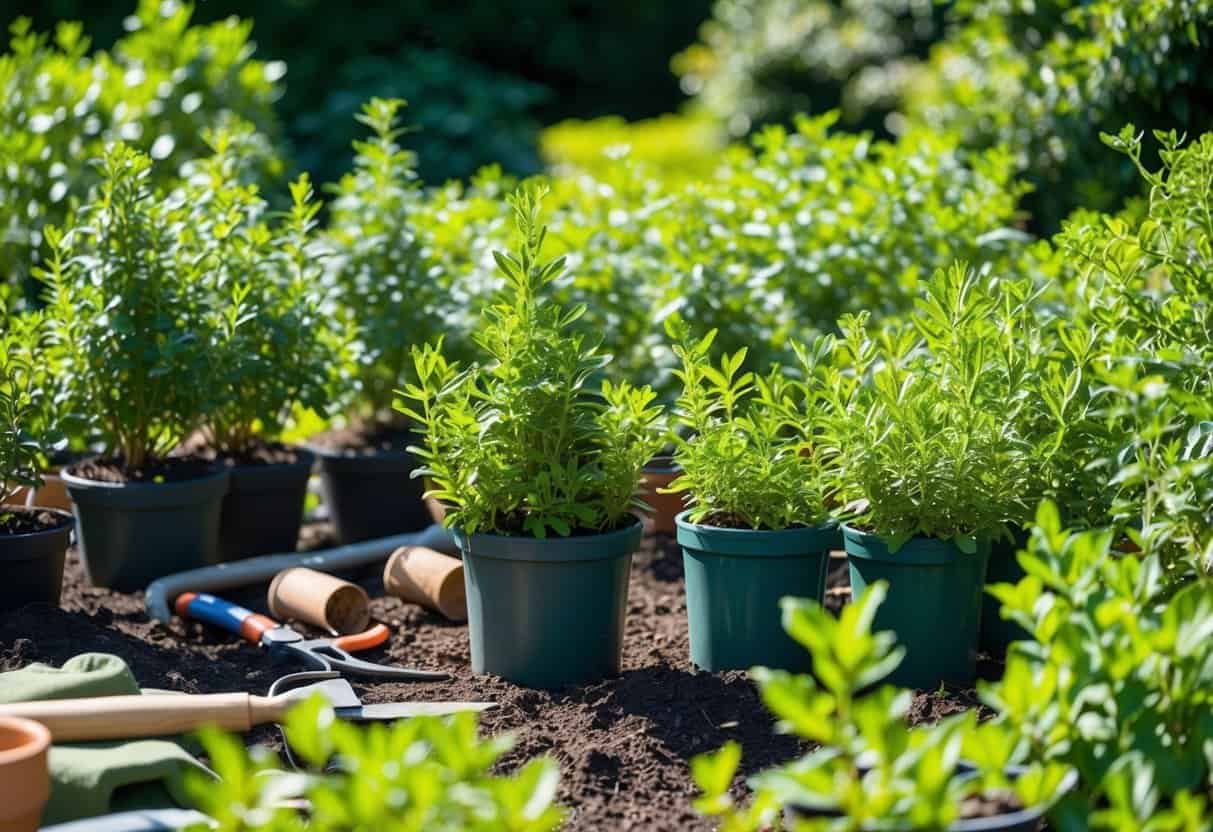
Marjoram’s not just a garden herb—it’s handy in the kitchen and even pops up in family traditions. Its sweet, gentle flavor works with everyday meals, and it brings a few wellness perks, thanks to natural antioxidants.
Cooking With Marjoram
If you want a sweet herb that won’t overpower your food, marjoram’s a solid choice. It’s milder than oregano and brightens up meats, cheese dishes, soups, and stuffings without taking over.
Sprinkle fresh marjoram into salads or use it as a garnish. Dried marjoram is stronger—just a pinch will do.
Flavor Pairing Ideas:
- Rub marjoram onto chicken, pork, or lamb before roasting.
- Add to vegetable soups near the end of cooking for a fresh note.
- Mix chopped marjoram into creamy cheese spreads for extra flavor.
Store fresh marjoram in the fridge wrapped in a damp towel. For dried, keep it in a sealed jar away from heat and light.
Family Recipes
Marjoram pops up in so many classic recipes. Whether you're in the US or Australia, it's tucked into old favorites and new comfort food twists.
Classic Chicken Soup with Marjoram
It brightens homemade broth, especially with carrots and celery.
Sausage and Cheese Stuffing
Adds a herbal kick to holiday sides—try it with sourdough or cornbread.
Simple Marjoram Potato Wedges
Toss potato slices with olive oil, marjoram, and salt, then roast until golden.
Grilled Lamb Chops with Marjoram
Rub fresh marjoram and garlic over the meat for a bit of Mediterranean flavor.
Try This: Finely chop marjoram and stir it into soft goat cheese. Spread on crackers or warm bread—simple, quick, and honestly pretty hard to resist.
Frequently Asked Questions
Marjoram likes sunny spots and well-drained soil. Go easy on the watering - gentle is best. Keeping plants healthy, and harvesting at the right time all help you get better flavor and growth.
Is marjoram a perennial plant, and will it grow back each year?
Marjoram is technically a perennial, at least in places with mild winters like the southern US or parts of Australia.
But if you live somewhere colder, it acts more like an annual and just can't handle frost.
If you want to keep it growing each year in a chilly area, you’ll need to bring the pot inside before that first frost hits. Otherwise, you might just have to accept it as a seasonal thing.
Tips for successfully growing marjoram from seeds?
Start marjoram seeds indoors about 6–8 weeks before your last spring frost. Cover the seeds lightly with soil, and keep things moist but not soggy.
Warm temperatures—around 65–70°F (18–21°C)—help seeds sprout. Once seedlings have 2–3 true leaves, thin them out and transplant outdoors after frost risk is gone.
Will marjoram grow indoors?
Yes, marjoram grows well indoors as long as it gets plenty of sunlight.
Place the pot on a bright windowsill that gets at least 6 hours of direct sun a day, or use a grow light if natural light is limited.
With regular watering and trimming, you can enjoy fresh marjoram indoors year-round.
Is marjoram like oregano?
Marjoram and oregano look similar and are from the same plant family, but their flavors are different.
Oregano has a stronger, more pungent taste, while marjoram is sweeter and milder.
In cooking, oregano often pairs with bold dishes like pizza and pasta sauces, while marjoram shines in lighter meals such as salads, soups, and chicken.