

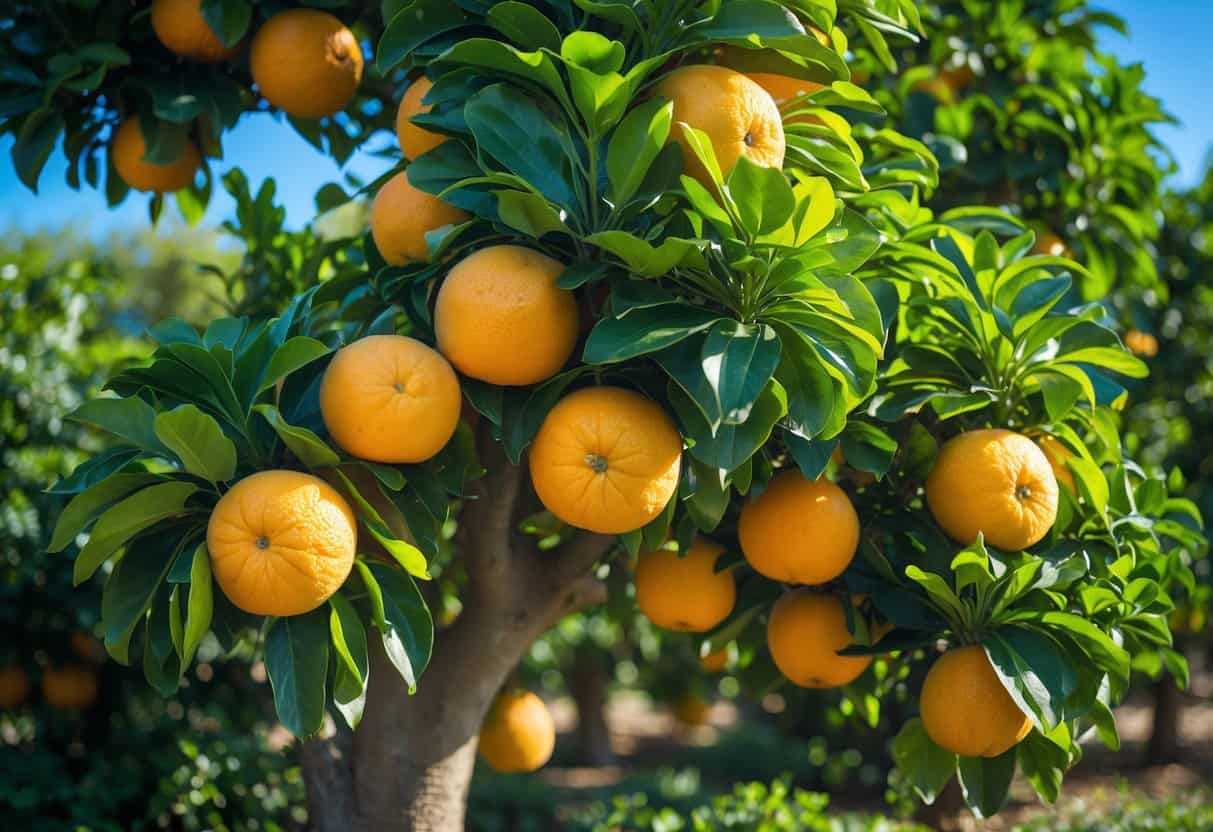
Growing your own grapefruit is honestly pretty exciting, whether you’re dreaming of fresh slices at breakfast or want to squeeze your own juice in the morning. Grapefruits are surprisingly easy to grow at home if you give them plenty of sunshine, well-drained soil, and a bit of regular care.
Even if you don’t have much space, you can try growing smaller trees in containers. In a few years, you’ll be picking your own fruit, and that’s a nice feeling.
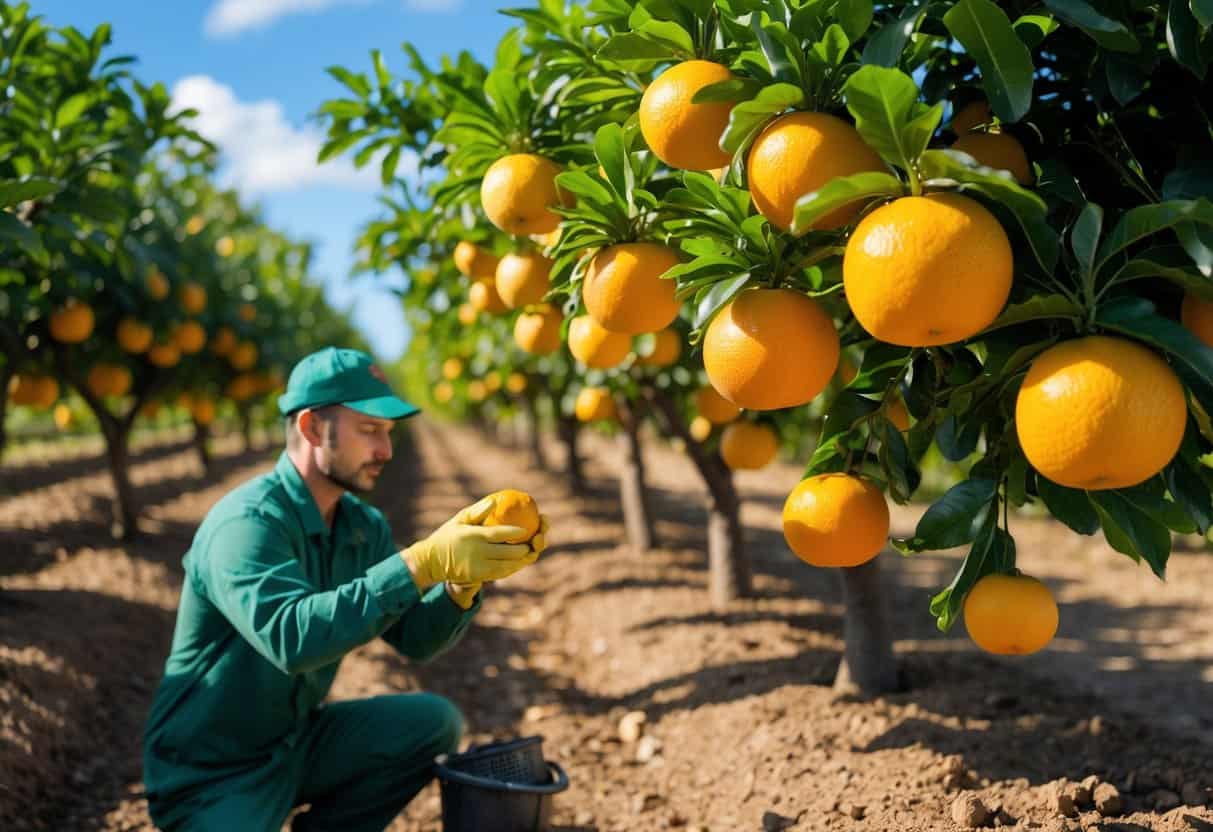
Learning how to grow grapefruit isn’t complicated when you are starting from a young tree. Once you know what your plant needs, you’ll be able to harvest juicy, sweet fruit that honestly tastes better than anything from the store.
When I planted my first grapefruit tree, I was surprised by how quickly those glossy green leaves popped up. Took me a while to get use to the tartness, but my breakfasts definitely got healthier with homegrown fruit.
Watching your own tree grow is genuinely rewarding. It’s a fun project for both new gardeners and anyone who likes to experiment in the kitchen.
Quick Tips for Grapefruit
Best Time To Plant
Spring or early fall (autumn), once frost has passed
Sun / Lighting
Full sun (at least 8 hours a day)
Spacing
15–25 ft (4.5–7.5 m) between trees, or one tree per large container
Soil Type / PH
Well-draining sandy loam, pH 6.0–7.0
Container Info
Large container: at least 20–25 gal (75–95 L), 20 in (50 cm) wide and deep; use rich, well-draining mix
Propagation
Grafted young trees are best; seeds can be used but take longer and may not grow true
About Grapefruit
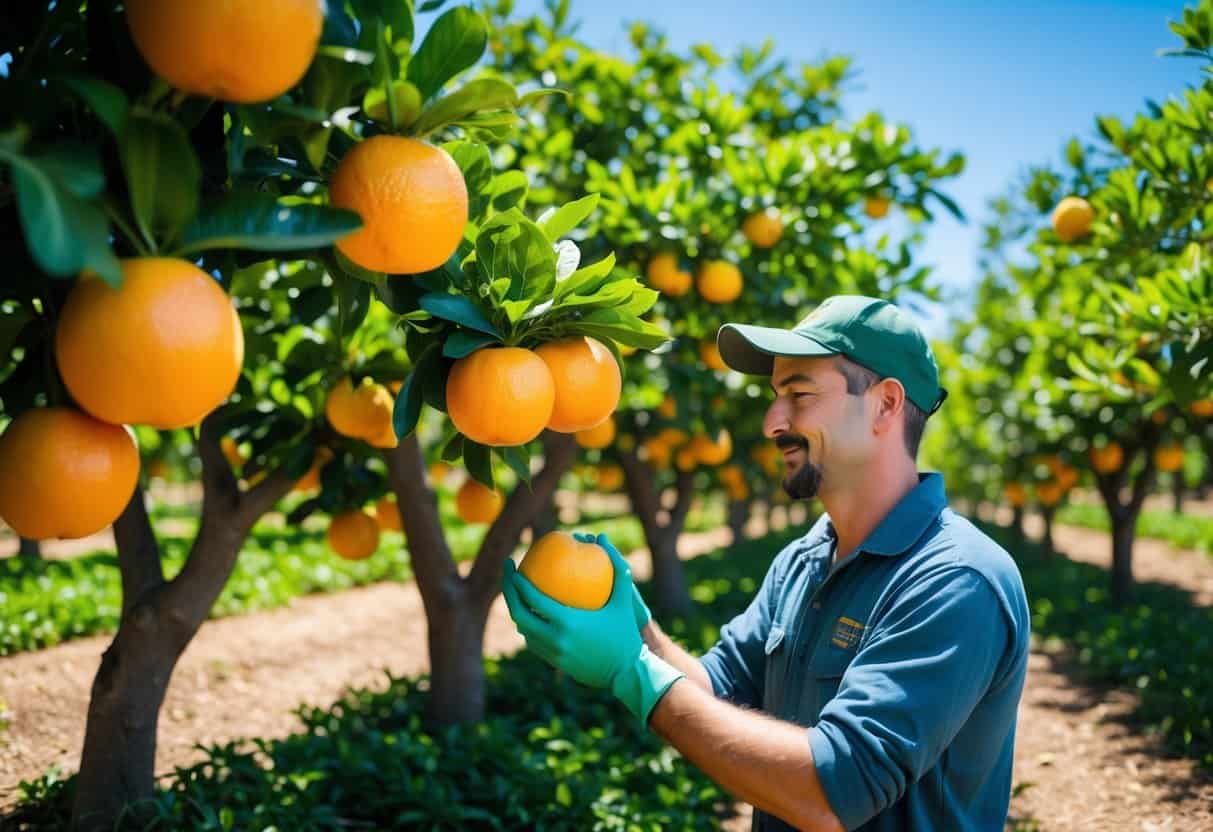
Grapefruit, or Citrus paradisi if you want to get technical, is a popular citrus tree grown for its big, juicy fruit. The tree’s evergreen leaves look great in the yard, and the fruit is perfect for eating fresh or adding to recipes.
Grapefruit Growth Habits
Grapefruit trees keep their shiny green leaves all year. They really love full sun and well-drained soil, needing at least eight hours of direct light every day to make good fruit.
The grapefruit life cycle starts with fragrant white flowers in spring. Bees love these blooms, and after pollination, fruit starts to develop over the next few months.
Grapefruits take their time to ripen, usually from late summer through fall. They’re not fans of harsh frost, but mature trees can handle a bit of cool weather.
Keep them watered and warm, and your tree should be productive for years. It’s kind of amazing how long a healthy grapefruit tree can keep going.
Growing Zones for Grapefruit
USA:
- 9–11 as perennials, 8 as annuals
- In cooler regions, grow in containers and move indoors for winter.
Australia:
- Tropical, Subtropical, Warm Temperate
- Water extra in dry/hot spells; shelter young trees from winds
Varieties Of Grapefruit
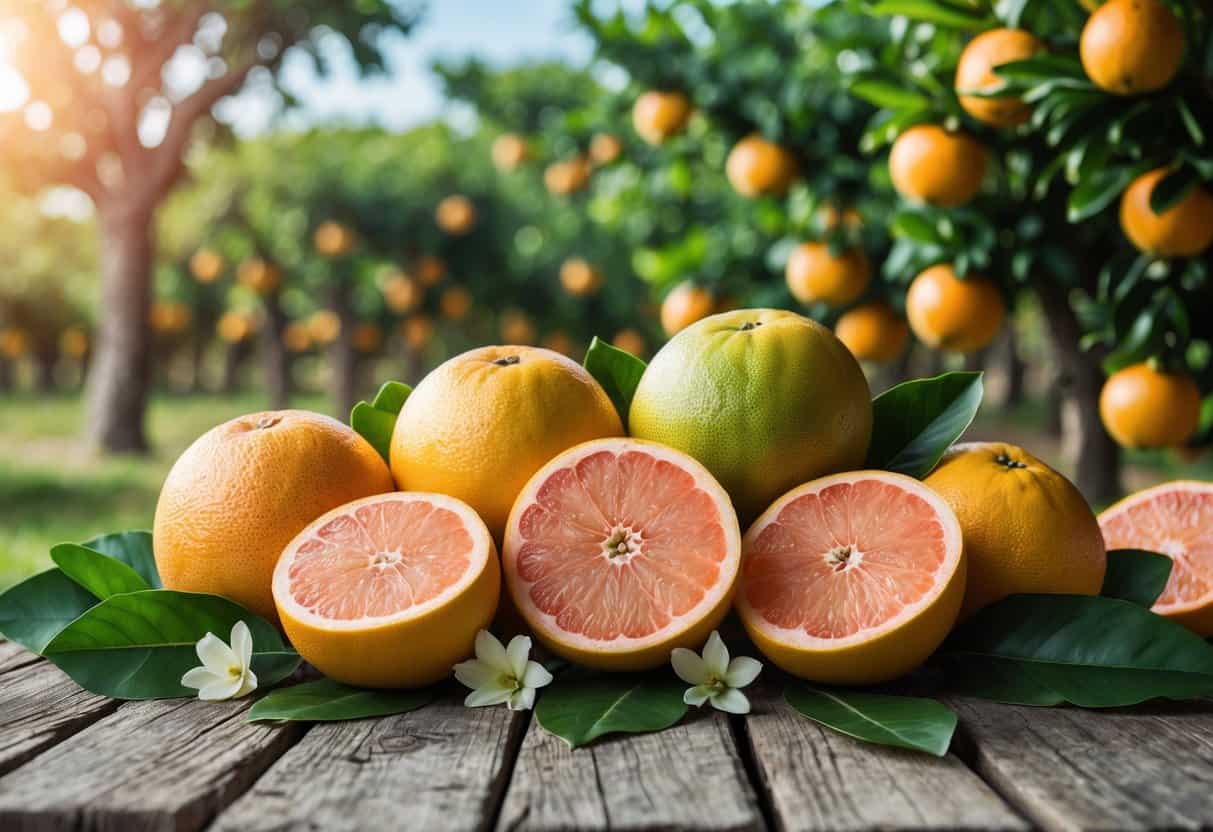
There are quite a few grapefruit varieties you can try at home. Each one has its own flavor and color, so you can pick the one that fits your taste and how you’ll use it.
Ruby Red
Appearance: Bright red flesh, pale yellow skin
Flavor: Sweet with a mild tartness
Best Use: Fresh eating, salads, juices
White Grapefruit
Appearance: Pale yellow skin, ivory or light yellow flesh
Flavor: More tart than red varieties
Best Use: Juice, marmalade, baking
Star Ruby
Appearance: Deep red flesh, smooth yellow skin
Flavor: Very sweet and less bitter
Best Use: Fresh slices, desserts, juice
Flame
Appearance: Blushed skin, juicy red flesh
Flavor: Sweetest among the red types
Best Use: Eating fresh, fruit cups
Oro Blanco (Uncommon)
Appearance: Large, greenish-yellow skin, very pale flesh
Flavor: Mild, almost no bitterness
Best Use: Fruit salads, as a mild snack
When picking a variety, consider your climate and how you’ll use the fruit. Ruby Red and Star Ruby are solid choices for most mild, frost-free places.
If your winters are chilly, think about growing your grapefruit in a big container so you can bring it inside.
Tips to Pick Right Variety
Go with Ruby Red or Star Ruby if you want sweeter fruit.
Pick White Grapefruit if you’re after something more tart.
Try Oro Blanco for a milder, less acidic flavor.
Choose varieties that fit your climate, or stick with container growing if frost is a worry.


Planting Grapefruit
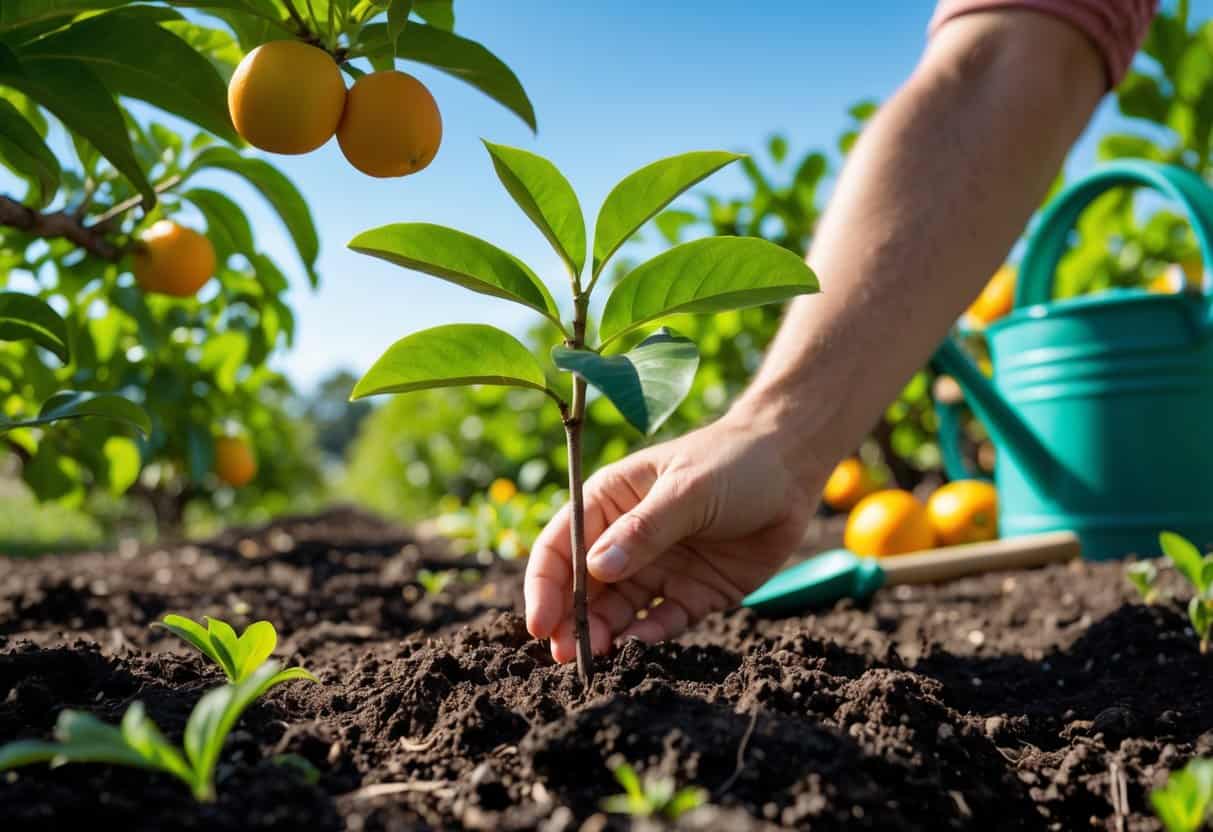
Grapefruit trees thrive in warm, sunny spots with soil that drains well. Whether you’re starting from seed or planting a young tree, there are a few basics to keep in mind.
When To Plant
Plant your grapefruit tree in spring or fall, when the weather’s mild. This timing helps the young tree avoid the worst heat or cold and gives it a chance to settle in.
If you’re in a tropical or subtropical area, you’ve got more flexibility, but it’s still best to avoid the hottest months. In cooler places, wait until all threat of frost is gone.
Starting from seed? Begin indoors in late winter. This gives your seeds time to sprout before moving them outside when it’s warm enough.
Transplant seedlings once they have a few strong leaves. Direct planting outside is best for small trees or grafted saplings, not seeds.
Young trees or grafted plants will give you fruit much sooner than seeds.
Where To Plant
Pick a spot that gets full sun—think at least 8 hours a day. Grapefruit trees need lots of light to make good fruit and grow strong.
Make sure the soil drains well. Heavy or soggy soil can cause root rot, which is a headache you don’t want. If your ground is clay or tends to stay wet, add compost or use a raised bed for better drainage.
Keep your tree out of cold drafts and away from strong winds. A south-facing wall or fence can help protect it and add a bit of extra warmth.
Give your tree plenty of space for air to move around it. Good airflow helps prevent disease. Avoid planting too close to buildings or other plants.
Container/Small-Space Growing
If you don’t have a yard or live somewhere cold, you can grow grapefruit in a big pot. Choose a container at least 18–24 inches (45–60 cm) wide and deep.
The pot needs to have drainage holes—roots hate sitting in water. Use a good citrus potting mix, or mix regular soil with sand and perlite.
Put the pot where it’ll get as much sun as possible. Outdoors is best in summer, but indoors by a sunny window or under grow lights works if winters are cold.
Bring the tree inside if temps drop below 45°F (7°C). Container trees dry out faster, so water more often.
Fertilize with a citrus-specific formula, but go easy—use a bit less than you would for trees planted in the ground.
How To Plant
To plant a grapefruit tree outside, dig a hole twice as wide as the root ball but no deeper. Gently take the tree out of its pot, loosen any tangled roots, and set it in the hole with the top of the root ball level with the ground.
Fill in with soil and press down gently to remove air pockets. Water deeply right after planting.
Spread a 2–3 inch (5–8 cm) layer of mulch on top, but keep it a few inches away from the trunk to avoid rot.
For container trees, fill the pot one-third with potting mix, set the tree in, and gently fill in around the roots. Water well and make sure it gets full sun.
Propagation
You can grow grapefruit trees from seed or by grafting. Growing from seed is fun, but it’s slow, and the fruit might not be true to the parent.
For better results, buy a young tree from a nursery or graft a cutting from a good variety onto a hardy rootstock. This helps with disease resistance and fruit quality.
If you want to try cuttings, take a 6–8 inch (15–20 cm) tip cutting from a healthy tree in late spring. Remove the lower leaves, dip the end in rooting hormone, and plant in moist, well-drained potting mix.
Cover it with clear plastic to keep humidity up. Seedlings need good light, steady warmth, and soil that’s moist but not wet.
Grafted or rooted cuttings grow faster and fruit sooner than seed-grown trees. For most home gardeners, that’s probably the way to go.
Care And Maintenance Of Grapefruit
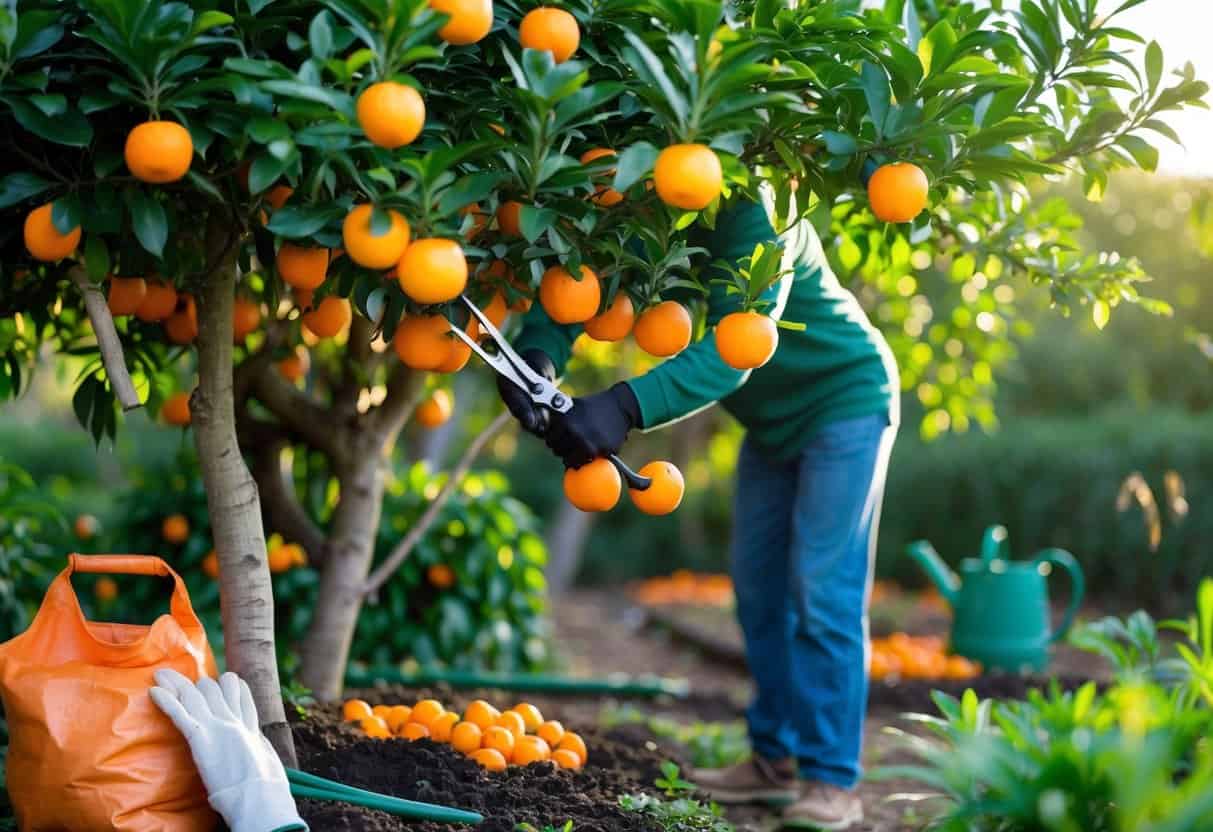
Grapefruit trees need steady care all year if you want sweet, juicy fruit. Pay attention to watering, feeding, and pruning to keep your tree happy.
Watering Needs
Grapefruit trees like regular, deep watering. For young trees, water once or twice a week—keep the soil moist, but not soggy.
Mature trees usually need a good soak every 7–10 days, especially when it’s hot or dry. Let the soil dry out a bit between watering to help roots grow strong.
Use the “soak and dry” method: water at the base until the soil is wet about 18 inches (45 cm) deep, then wait until the top few inches are dry before watering again.
Skip the sprinklers—drip irrigation or a slow hose works better. Mulch helps too; a thick layer of bark or straw keeps soil cool and cuts down on evaporation.
Quick tip: stick your finger 2–3 inches (5–8 cm) into the soil. If it’s dry at that depth, it’s time to water.
Fertilizer
Feed grapefruit trees three times a year—early spring, late spring, and midsummer. Use an organic citrus fertilizer with an NPK ratio close to 2-1-1, like 6-3-3.
Organic fertilizers are great for long-term soil health and help your garden’s ecosystem. Spread fertilizer in bands around the tree’s drip line.
Pruning
Prune your grapefruit tree once a year, usually in late winter or early spring before it starts growing again. Heavy pruning isn’t needed, but clearing out dead, weak, or crossing branches helps airflow and lets in more sun.
Use clean, sharp pruners and make smooth cuts just above a healthy bud or branch. Remove any suckers (those vertical shoots at the base)—they won’t give you fruit.
One more thing: disinfect your pruning tools between cuts, especially after working on diseased branches. It helps stop infections from spreading.
Grapefruit Problems And How To Fix Them
Grapefruit trees run into their fair share of trouble, from pests to diseases and sometimes just tricky growing conditions. If you catch problems early, you’ll save yourself a lot of headaches and get better fruit.
Pests
Aphids
Symptoms: Leaves get sticky, start curling, and you’ll spot tiny bugs on the undersides.
Solution: Blast them off with water, or use insecticidal soap if they stick around. Ladybugs and lacewings are great little helpers for this.
Citrus Leafminer
Symptoms: Leaves show silvery, squiggly lines and might curl up.
Solution: Snip off affected leaves if it’s just a few. If it’s worse, try horticultural oil in early spring before new growth.
Scale Insects
Symptoms: Small bumps on leaves or stems and sticky spots (that’s honeydew).
Solution: Wipe them away by hand or spray with horticultural oil. Beneficial bugs can help too.
Fruit Piercing Moths & Birds (mainly in Australia)
Symptoms: Fruit shows holes or peck marks, and some might drop early.
Solution: Netting mature trees or using fruit bags works. Pick ripe fruit quickly.
Most animal pests like deer or rabbits aren’t a big deal for grapefruit in the US or Australia. Birds, though, sometimes go for the fruit as it ripens.
Diseases
Citrus Canker
Symptoms: Raised, corky spots on fruit, leaves, or stems, and leaves might fall off too soon.
Solution: Cut away infected branches and destroy them. Clean your tools after. Try to avoid watering from above and pick disease-resistant trees if you can.
Huanglongbing (HLB, Citrus Greening)
Symptoms: Leaves get blotchy yellow, fruit turns misshapen and bitter, and the tree might look stunted.
Solution: Sadly, there’s no cure. Remove sick trees to keep it from spreading. Control psyllids since they carry HLB.
Root Rot (Phytophthora)
Symptoms: Wilting, yellow leaves, slow growth, and roots that feel mushy and brown.
Solution: Fix drainage if you can. Let the soil dry out before watering again. Remove really sick trees and plant new ones in drier spots.
Spot & Fix Grapefruit Problems
If you notice sudden wilting, yellowing, or small, bitter fruit, check the roots and look closely for sneaky pests or eggs. The faster you act, the healthier your tree will be.
Growing Problems
Yellowing Leaves
Symptoms: Older leaves go yellow, especially between the veins.
Solution: Use a balanced fertilizer with magnesium and iron.
Lack of Fruit
Symptoms: Tree looks good but just won’t flower or fruit.
Solution: Make sure it gets at least 6 hours of sun. Don’t overdo the nitrogen fertilizer. Sometimes you just need to wait—grapefruit can take years to start producing.
Fruit Drop or Poor Quality
Symptoms: Young fruit falls off, or mature fruit is dry inside.
Solution: Keep watering steady, especially when it’s dry. Thin out fruit if branches are overloaded. Try to avoid big changes in care.
Leaf Drop
Symptoms: Leaves fall off at odd times or in big numbers.
Solution: Don’t over-water or underwater. Shelter the tree from harsh winds and quick temperature changes.
Harvesting Grapefruit
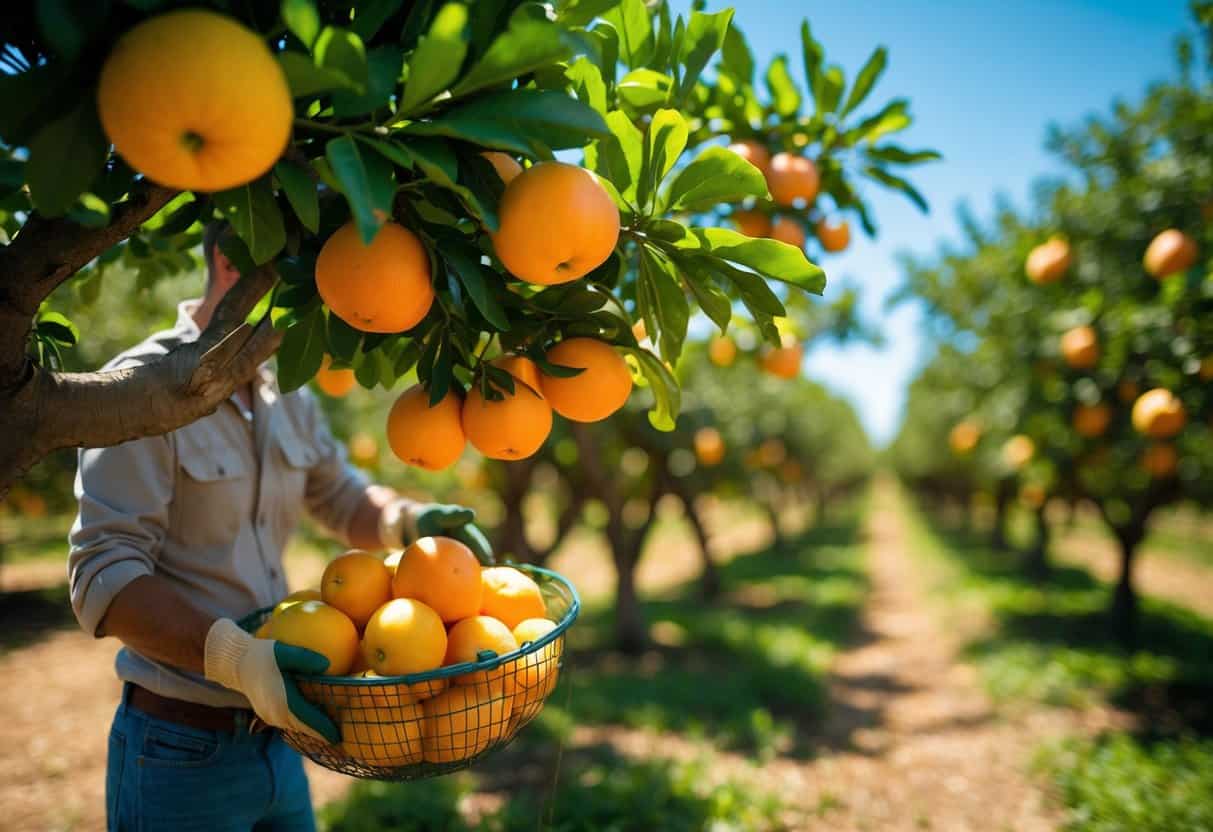
Picking grapefruit at just the right time makes all the difference. It’s the key to getting fruit that’s sweet and juicy—not dry or bitter
When To Harvest
Grapefruit usually ripens from winter into early spring, but it really depends on where you live and the variety you’re growing. Look for fruit that’s at least half yellow or pink on the outside. Some types stay a little green even when they’re ready.
A ripe grapefruit feels heavy for its size and is nice and firm if you give it a gentle squeeze. Honestly, tasting one is the best way to know—if it’s juicy and sweet, the rest are probably ready too.
If you’re in a cooler spot, let them hang a bit longer, since color can be slow to show up.
Don’t rush—grapefruit won’t ripen more after you pick it.
How To Harvest
Use clean, sharp pruning shears or clippers and cut the fruit off, leaving a bit of stem. Pulling by hand can tear the fruit or damage the tree. For high-up fruit, a picking pole with a soft basket is handy.
Handle each grapefruit gently so you don’t bruise it—bruises make them spoil faster. Set them in a basket or bag one at a time, not in a big pile.
If you see damaged or diseased fruit, get rid of it right away. That keeps the rest of your tree healthier.
Storing Grapefruit
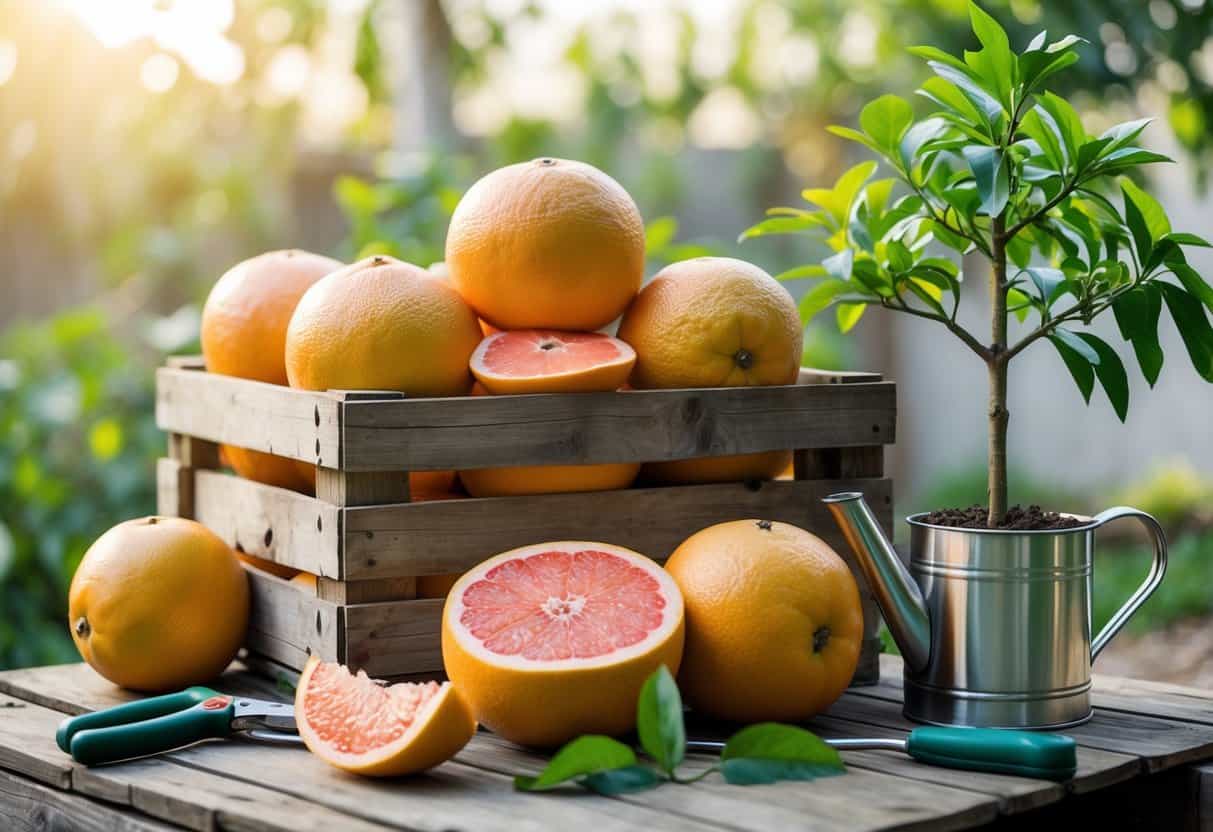
You’ve picked your grapefruits—now what? The way you store them can really affect how long they stay tasty and fresh.
Room Temperature
Duration: Up to 1 week
Best For: Eating soon after picking or showing off in a fruit bowl.
Keep them out of direct sun and away from heat. Check every day for soft spots or mold.
Refrigeration
Duration: 2–3 weeks
Best For: When you’ve got a lot of fruit to store.
Pop them in the fridge crisper or a mesh bag. Whole fruit lasts longer. Avoid sealing them in plastic—trapped moisture causes mold.
Freezing Sections
Duration: Up to 6 months
Best For: Smoothies, baking, or quick snacks.
Peel and segment the fruit, remove seeds and membranes, freeze pieces on a tray, then store in airtight containers or bags.
Making Preserves
Duration: Up to 1 year (unopened jars)
Best For: Homemade marmalade or jam.
Sterilize jars and use good canning methods. Keep sealed jars cool and dark, and refrigerate after opening.
Preservation Tips
Got extra grapefruits? Zest the peels and freeze or dry the zest. It’s great for recipes and helps cut waste.
Label your stored fruit with the date so you use the oldest first. Good storage keeps your grapefruits sweet, juicy, and ready to eat.
Benefits and Uses of Grapefruit
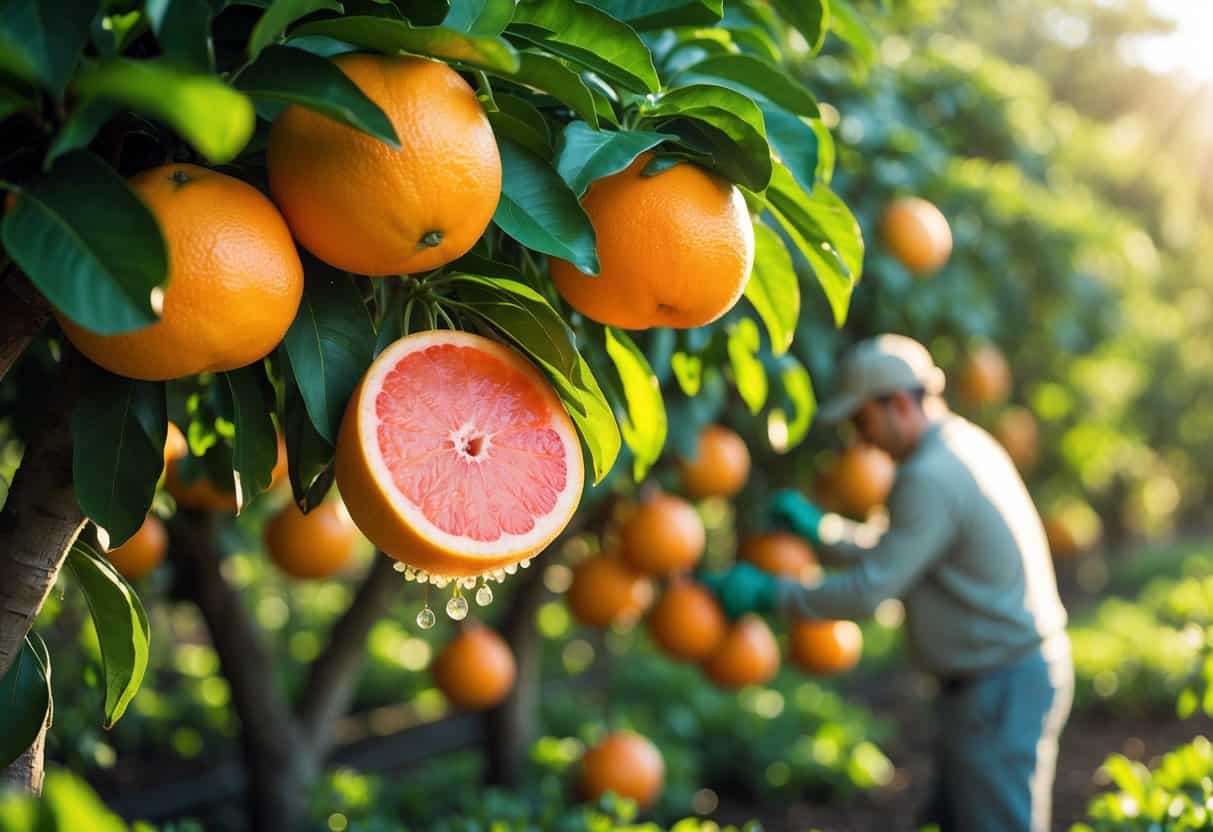
Grapefruit is loaded with vitamins and minerals, and it’s a healthy, punchy addition to all sorts of meals. The bold, tangy flavor works in both sweet and savory recipes, and you can use the fruit, juice, or zest.
Cooking With Grapefruit
Grapefruit gives dishes a unique, tangy kick. Add fresh segments to salads or salsa for color and flavor. The juice is great in dressings or marinades, adding a fresh twist to meats and veggies.
If you’re into breakfast, toss slices on yogurt, oatmeal, or cereal. Roasting or broiling grapefruit halves with honey or brown sugar makes a cozy, simple treat.
Try zest in baked goods like muffins or cakes. Mix juice with sparkling water for a homemade soda, or blend into smoothies for extra vitamins.
Store cut fruit in the fridge, tightly covered, to keep it fresh. If you’ve got leftovers, freeze segments or juice for later. Grapefruit also goes well with avocado, seafood, chicken, and leafy greens—don’t be afraid to experiment a little.
Family Recipes
Broiled Grapefruit with Honey
A classic US breakfast. Sprinkle honey and a bit of cinnamon on halved grapefruits, then broil until bubbly.
Grapefruit & Avocado Salad
Popular in Australia. Combine grapefruit, avocado, red onion, and a squeeze of lime.
Citrus Chicken Marinade
Use fresh juice and zest with herbs for zesty, tender chicken. Marinate for a couple hours, then grill or bake.
Grapefruit Marmalade
A sweet-tart spread made by simmering grapefruit, sugar, and lemon. Try it on toast or scones.
Grapefruit Sorbet
A light dessert that’s easy to make at home. Blend juice with sugar and freeze, stirring now and then.
Try This: Toss grapefruit segments into salsa with chili and cilantro for a tangy twist that’s great on fish tacos or grilled meat.
Conclusion: Enjoy The Journey
Every grapefruit tree tells its own story. Sometimes it takes patience and a little luck to see that first harvest, but honestly, that’s what makes it special.
You don’t have to be an expert—just interested and willing to try. Each season teaches you something new.
Even small wins, like healthy leaves or one perfect fruit, are worth celebrating. Share your photos, tips, or a few fresh grapefruits with friends and family.
Growing grapefruit isn’t just about the fruit. It’s about enjoying the whole process and feeling proud of what you’ve made happen.
Frequently Asked Questions
Grapefruit trees really thrive when they get plenty of sun, warmth, and regular care. With a bit of patience, you can grow these fruits at home—whether you’re planting outside or trying a pot indoors.
How can you start a grapefruit tree from the seeds of store-bought fruit?
Take seeds from a ripe grapefruit, rinse off the pulp, and let them dry for a few hours. Plant them about half an inch (1.25 cm) deep in moist seed-starting mix.
Keep the pot warm and bright, and water lightly. It might take a few weeks to sprout. Trees from seed can take years—sometimes a lot of years—before you’ll see fruit.
What's the typical timeline for a grapefruit tree to start bearing fruit after planting?
Grafted grapefruit trees usually fruit in 3 to 4 years if you give them good care. Trees grown from seed might make you wait 7 to 10 years or even longer.
Patience pays off—healthy growth comes first, then the fruit.
In which climates and conditions do grapefruit trees thrive best?
They do best in subtropical or tropical climates with mild winters. Grapefruit trees don’t like frost or long cold snaps.
If you’re in a cooler place, you can still grow them indoors (less fruit) as long as you give them enough light and keep them above freezing.
What care tips can ensure the healthiest growth for your grapefruit tree?
Water your grapefruit tree deeply about every 10 days if it’s dry out. Just be careful not to let the soil get soggy—roots hate that.
Use a citrus-specific fertilizer, or at least a balanced one, when the tree is growing. It’s easy to forget, but this step really helps.
Prune away any dead or damaged branches. You can also shape the tree a little if you want, but don’t go overboard.
Take a look at the leaves now and then for pests or signs of disease. It’s way easier to fix issues if you spot them early.
If your tree’s outdoors, try to give it a spot sheltered from strong winds. That little bit of protection can make a big difference.