

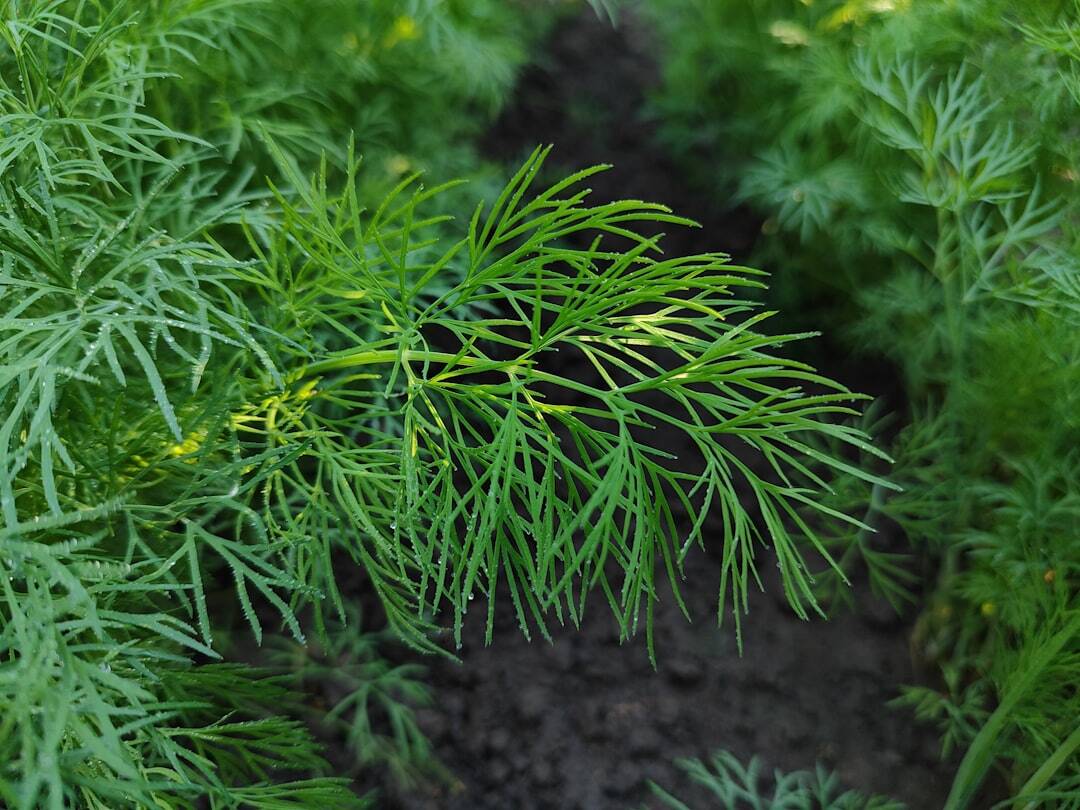
Dill is one of the easiest and most rewarding herbs you can grow at home. Whether you’ve got a big garden or just a sunny windowsill, it’s totally doable.
With a bit of sunlight, the right soil, and simple care, you’ll have fresh dill all season for your favorite recipes. Its feathery leaves add a bright, fresh flavor to salads, pickles, and fish. Suddenly, every meal feels a bit more special.
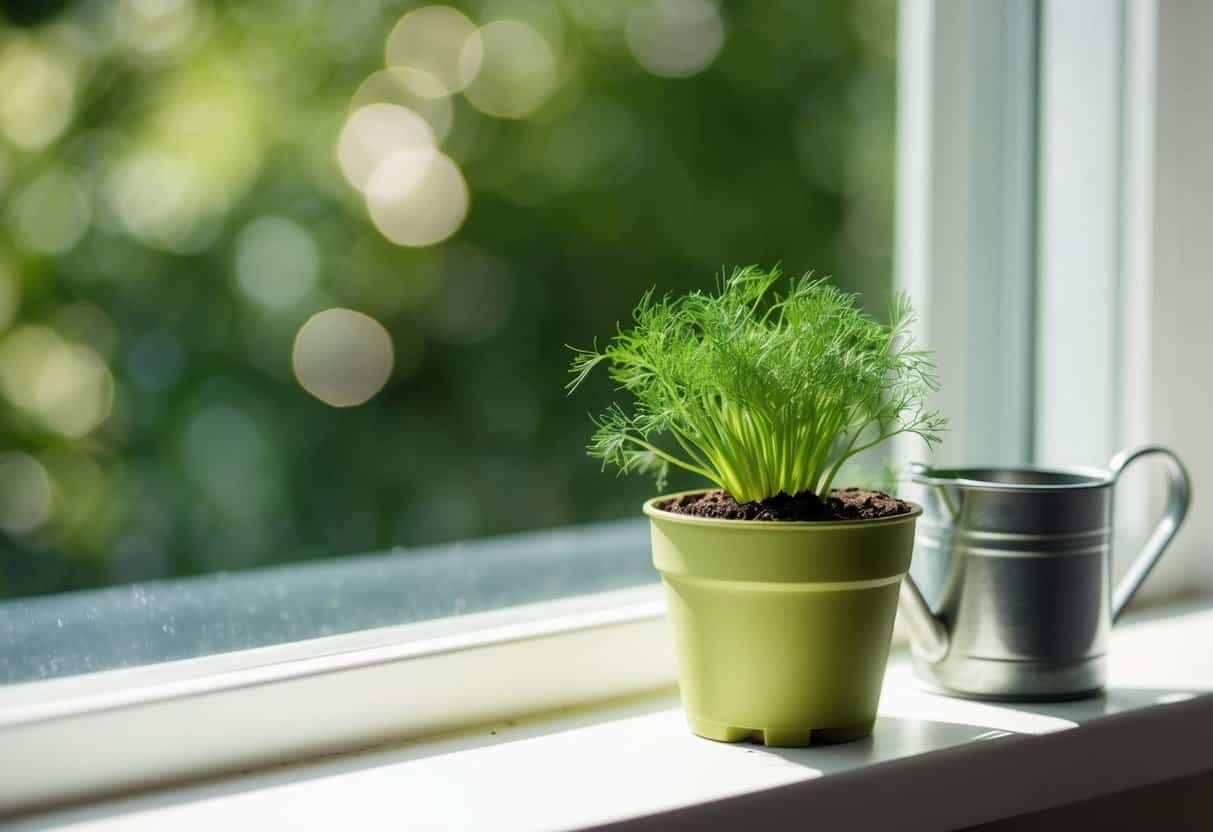
If you’re new to gardening or just want to try cooking with herbs, dill’s a friendly place to start. It grows fast, smells lovely, and honestly—kids and adults both get a kick out of it.
Let’s walk through how you can grow, enjoy, and use this classic herb right at home. It’s easier than you might think.
Quick Tips for [Plant]
Best Time To Plant
Spring after last frost; fall (autumn) in mild zones
Sun / Lighting
Full sun (6–8 hours daily)
Spacing
12–15 in (30–38 cm) apart
Soil Type / PH
Well-drained, slightly acidic, rich in organic matter; pH 5.5–6.5
Container Info
Yes, at least 12 in (30 cm) deep with good drainage
Propagation
Direct seed; does not transplant well
Dill thrives in cooler temperatures, ideally between 60–70°F (15–21°C). It grows best in spring before the weather heats up, and can bolt quickly once daytime highs exceed 80°F (27°C). In hotter climates, give dill some afternoon shade to keep it happy.
About Dill
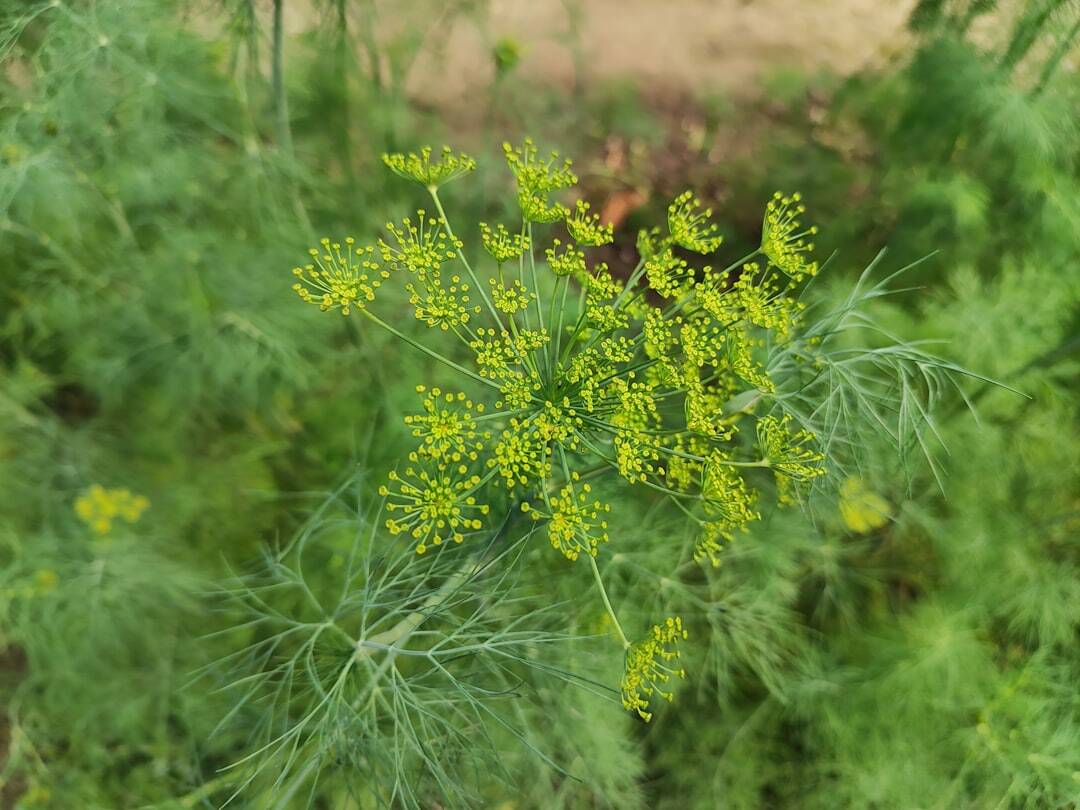
Dill is a fragrant annual herb, known for its soft, feathery foliage and bursts of bright yellow flowers. Its fresh green leaves—yep, that’s “dill weed”—are a staple for pickling, breads, fish, and salads.
Native to the Mediterranean and parts of Asia, dill (Anethum graveolens) brings a little garden beauty and a fresh zing to your kitchen.
Dill Growth Habits
Dill grows quickly and easily from seed, shooting up slender green stems and delicate, airy leaves. The foliage is soft and finely divided—people often call it “feathery.”
In late spring or summer, you’ll see tall, hollow stems topped with umbrella-shaped heads of tiny yellow flowers. It’s a bit dramatic, honestly.
Dill’s an annual, so it wraps up its life cycle in one growing season. Most types send down a deep taproot and really don’t like being moved, so direct seeding is the way to go.
It tends to self-sow, dropping seeds that might surprise you with new plants next year. You never know where it’ll pop up.
Give it well-drained, slightly acidic soil. It’ll tolerate less-than-perfect dirt, as long as the water drains off. Watch out for wind, though; those tall stems can topple if left exposed.
Growing Zones for Dill
USA:
- Zones 2–11, cool to warm climates.
- Dill is an annual that grows best in spring and early summer. In hot areas, plant in early spring or fall. Protect from strong winds.
Australia:
- Temperate, subtropical, and some arid.
- Prefers mild weather; plant in autumn or early spring. Give some afternoon shade in hot regions.
Varieties Of Dill
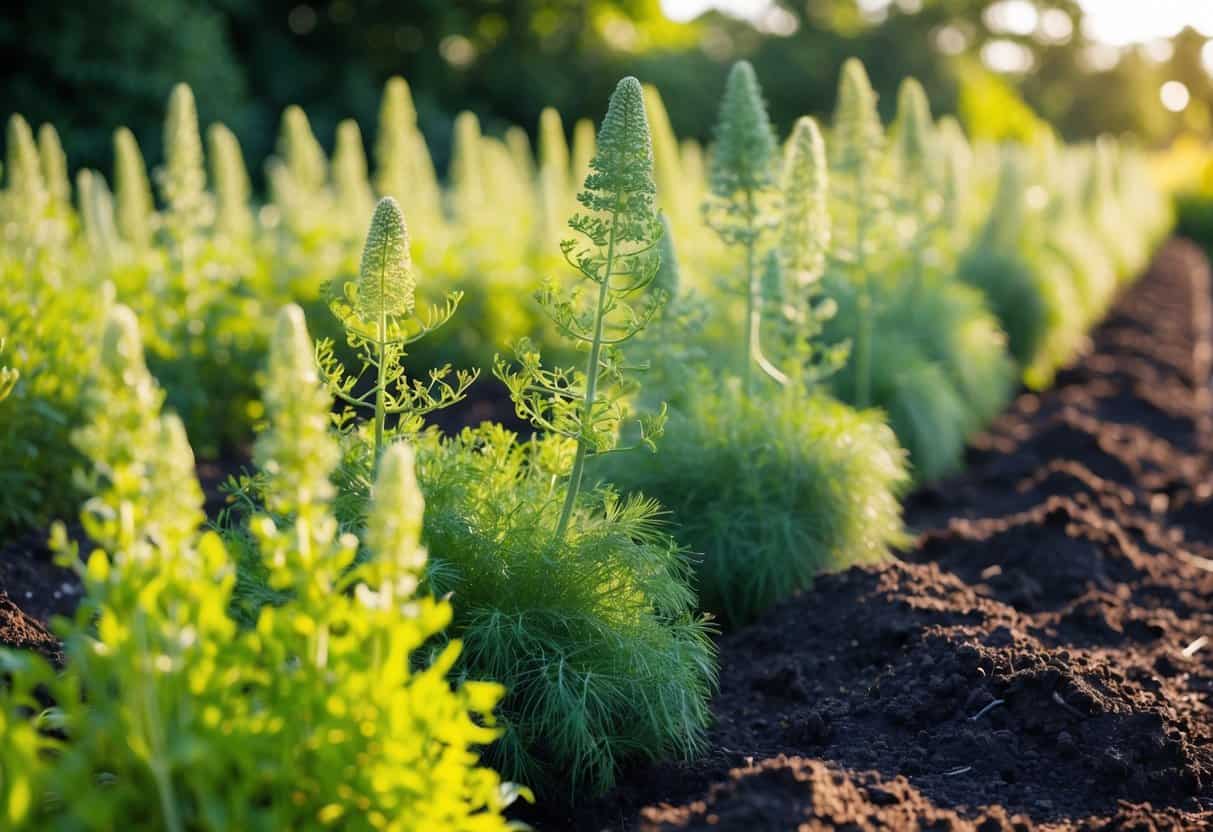
Picking the right dill variety makes a difference in growth and flavor. Each type has its own look, taste, and best use—so it’s worth a quick think before you plant.
Here’s a quick comparison of some popular dill varieties:
Bouquet Dill (Anethum graveolens ‘Bouquet’)
Appearance: Tall, feathery green leaves and big, umbrella-shaped yellow flower heads.
Flavor: Classic, bright dill flavor—fresh and slightly tangy.
Best Use: All-purpose—great for both leaves and seeds; perfect for pickling, salads, and garnishes.
Mammoth Dill (Anethum graveolens ‘Mammoth’)
Appearance: Grows very tall (up to 5 feet), with large, airy flower heads.
Flavor: Strong, aromatic, and robust.
Best Use: Excellent for pickling and for harvesting large quantities of seeds.
Fernleaf Dill (Anethum graveolens ‘Fernleaf’)
Appearance: Compact, bushy, and slow to bolt; fine, delicate leaves.
Flavor: Mild, sweet, and less pungent than taller varieties.
Best Use: Ideal for containers, windowsills, and fresh use in salads or as a garnish.
Dukat Dill (Anethum graveolens ‘Dukat’)
Appearance: Medium height with lush, blue-green foliage.
Flavor: Sweeter and more intense than common dill.
Best Use: Fantastic for fresh eating, salads, and Scandinavian dishes.
Vierling Dill (Anethum graveolens ‘Vierling’)
Appearance: Tall and slow to bolt, with sturdy stems and abundant leaves.
Flavor: Classic dill taste, slightly milder.
Best Use: Great for continuous leaf harvest and for extending the dill season in your garden.
Think about your climate, how much space you’ve got, and whether you’re after fresh leaves or seeds. Fernleaf is great for pots and small spots. Bouquet is your go-to for pickling seeds.
In hot places like USDA zone 9 or warm Australian cities (Brisbane, for example), Vierling won’t bolt as fast. Cooler spots like USDA zone 5 or southern Victoria? Mammoth grows big but needs elbow room.
Tips For Variety Selection
Compact types like Fernleaf are perfect for balconies.
Choose slower-bolting ones like Vierling in warmer areas.
Want a bunch of seeds? Bouquet or Mammoth are your friends.
Dukat gives you loads of rich green leaves for fresh eating.


Planting Dill
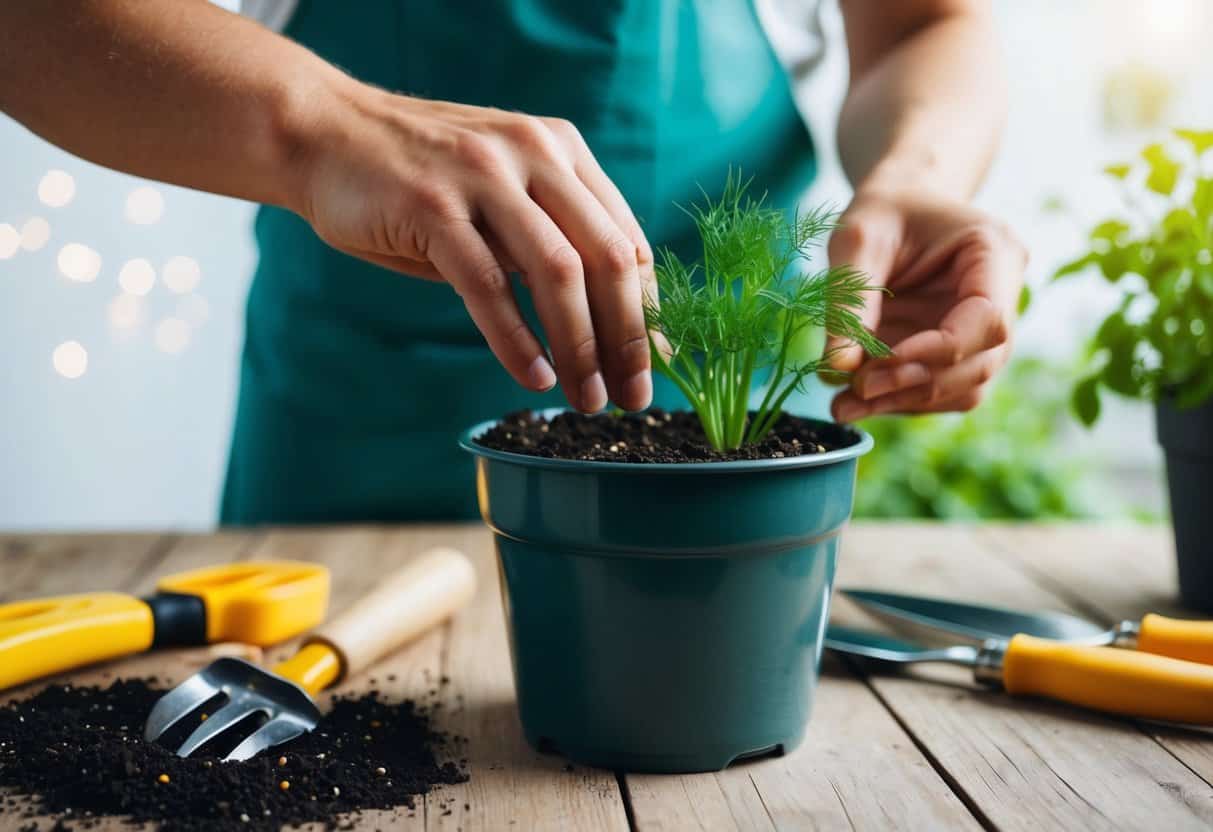
Dill is super easy to start from seed, whether you’re indoors or out. The trick is timing, location, and soil that suits your region.
When To Plant
Plant outside after the last spring frost, when the soil’s above 60°F (16°C). In USDA zones 3–7 (think Minneapolis, Chicago, Melbourne, Adelaide), sow from mid-spring to early summer.
In warmer places (USDA zones 8–11, or subtropical Australia like Brisbane), get seeds in the ground in late winter or early spring. That way, you’ll beat the heat.
If you want a steady supply, sow new seeds every 2–3 weeks. Dill grows fast but hates hot, dry summers—don’t bother sowing once it’s regularly above 85°F (29°C).
Starting indoors? Plant seeds 2–4 weeks before your last frost, then move them out once it’s warm and the risk of frost is gone.
Where To Plant
Dill needs at least 6–8 hours of direct sun and does best in a spot out of strong winds. Its tall stems can get top-heavy, so a bit of shelter helps.
Go for well-drained soil with a neutral to slightly acidic pH—somewhere between 6.0 and 7.5. Skip wet or soggy spots, since root rot is a real buzzkill.
Raised beds or the front of your garden rows work nicely. Good airflow keeps leaves healthy. Dill gets along with cabbage, onions, or cucumbers, but don’t put it near carrots or fennel—they’ll compete or cross-pollinate.
Container/Small-Space Growing
Dill actually thrives in containers, window boxes, or small raised beds. Use a pot at least 10–12 inches (25–30 cm) deep so the taproot can stretch out.
Go for a light, well-draining potting mix. Drainage holes are a must, or you’ll risk root rot.
Set your pot somewhere sunny—balcony, deck, whatever’s brightest. Keep the soil moist but not soggy.
For a small balcony, toss 2–3 seeds in each pot, spaced about 6 inches (15 cm) apart. Once they sprout, thin out the weaker ones and keep the strongest seedling.
How To Plant
Direct sow by scattering seeds about 1/4 inch (6 mm) deep in rows spaced 12–18 inches (30–45 cm) apart. Cover lightly with soil and water gently.
With decent warmth and moisture, seeds should sprout in 10–14 days. If you’re starting indoors, use peat pots or biodegradable trays.
Water seedlings just enough to keep things moist. Transplant outside once they’re 3–4 inches (7–10 cm) tall and frost is no longer a threat.
Be gentle—dill hates having its roots messed with. Lift each seedling with as much soil as you can and replant right away into a pre-watered hole.
Propagation
Dill’s almost always grown from seed. Growing it from cuttings is rare since it has a taproot, not spreading roots.
If you want to save seeds, let a couple plants flower and dry out in late summer. Harvest the brown seed heads and shake them into a paper bag.
For ongoing harvests, sow fresh seeds every 3–4 weeks. Or, let some plants self-seed by leaving flower heads at the end of the season—new seedlings will pop up in early spring or fall, depending on where you live.
In really warm climates (USDA zones 10–11 or tropical Australia), sow in late fall or winter.
Hot summers make dill bolt and struggle.
Care And Maintenance Of Dill
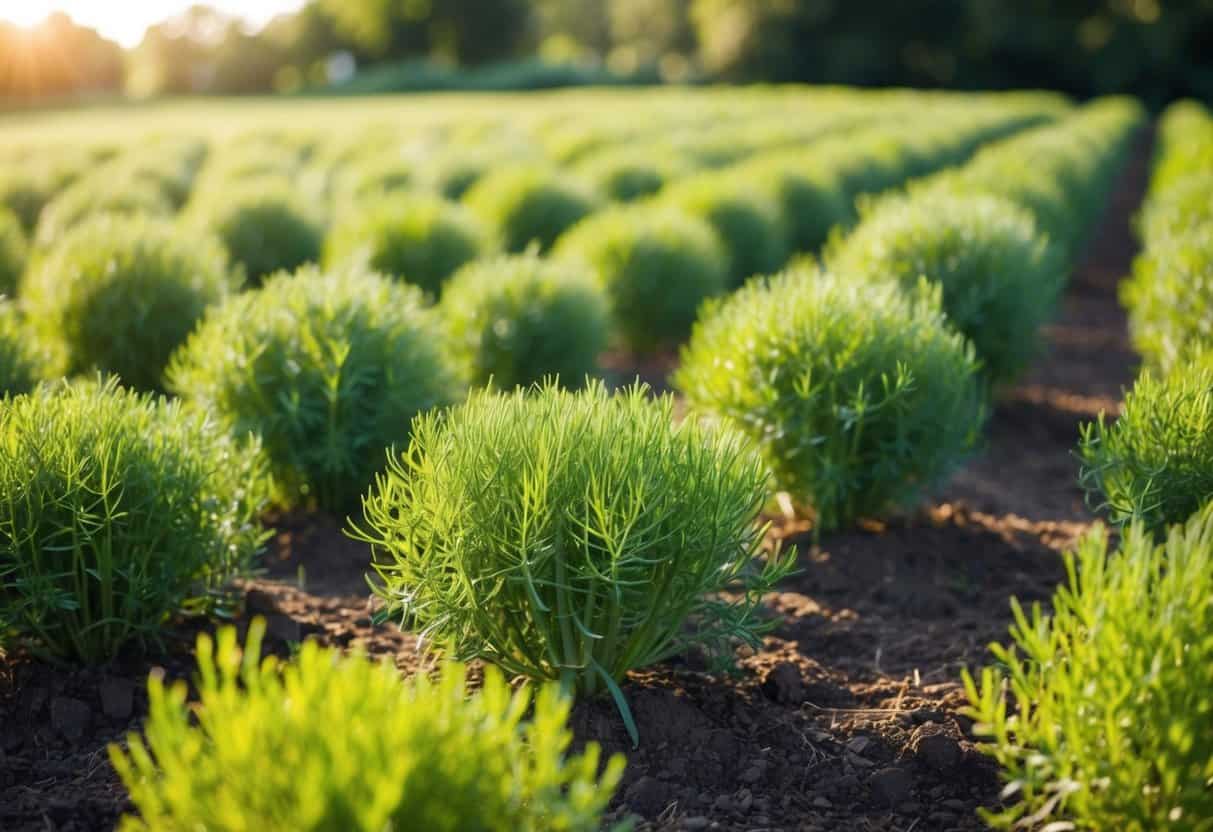
Dill does best with the right amount of water, a little feeding, and some timely snipping. Keeping up with these basics keeps your plants lush and happy.
Watering Needs
Dill likes soil that’s moist but never soggy. Try to keep the top inch (2.5 cm) of soil damp, especially when seeds are sprouting and plants are young.
Once established, dill can handle short dry spells, but it’ll wilt fast if it dries out too much. It’s a bit dramatic that way.
If you’re growing dill in pots, you’ll need to water more often than in garden beds. Always make sure your containers drain well—soggy roots won’t make anyone happy.
Fertilizer
Dill isn’t a heavy feeder, but a little nutrition really helps. Good soil with some compost or organic matter is usually all it needs.
If your soil’s sandy or you’re growing in raised beds, organic mulch helps too. As it breaks down, it feeds the soil.
Pruning
Dill likes to be picked and pruned, especially before it flowers. Snipping leaves keeps the plant bushy and delays bolting.
Dill Problems And How To Fix Them
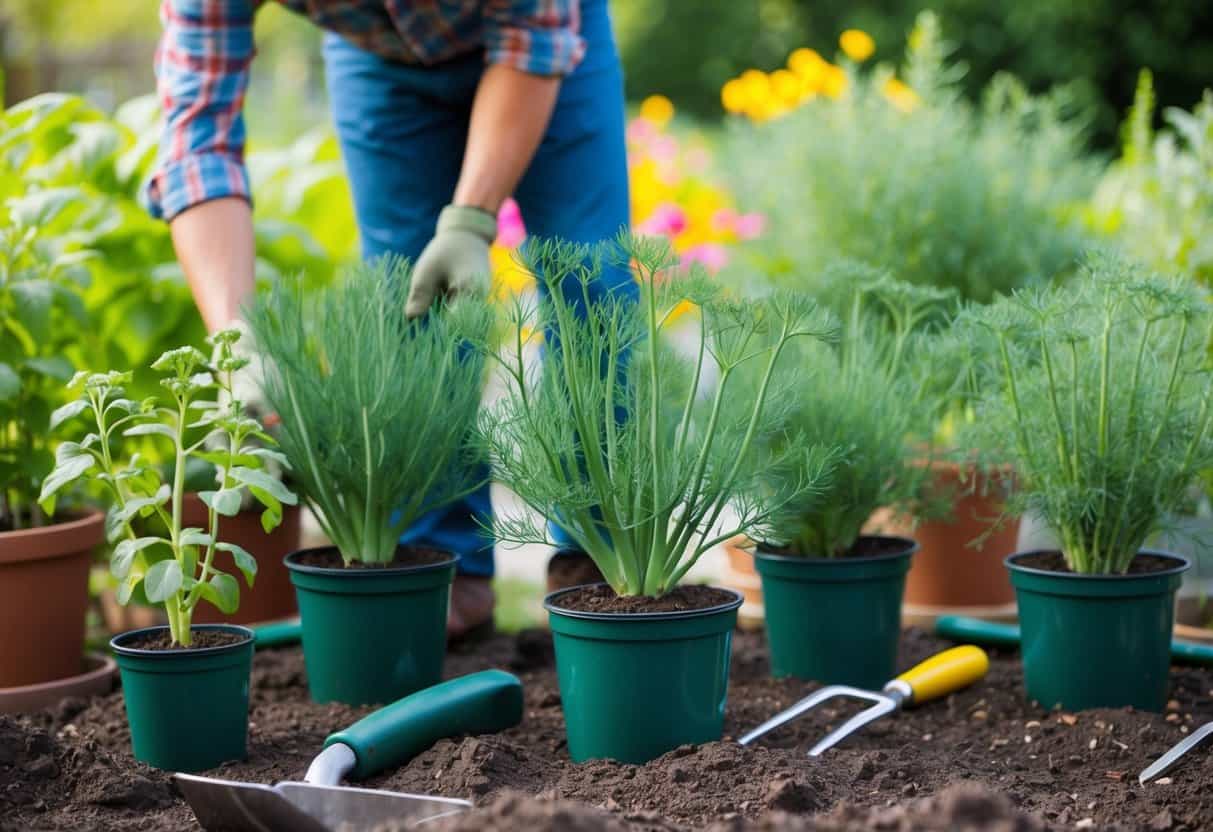
Dill’s a magnet for both helpful bugs and pests. It usually grows well, but sometimes you’ll run into yellowing, slow growth, or bolting.
Pests
Dill is usually pretty resilient, but a few pests can still make trouble, especially if your plants are stressed or crowded.
Aphids
Symptoms: Clusters of tiny green, black, or gray bugs on stems and new growth; leaves may curl or feel sticky.
Solution: Spray with a strong jet of water or use insecticidal soap. Encourage ladybugs and lacewings to help keep aphids in check.
Armyworms and Caterpillars
Symptoms: Ragged holes in leaves, chewed stems, or visible caterpillars.
Solution: Hand-pick caterpillars when you spot them. Floating row covers can help protect new seedlings.
Spider Mites
Symptoms: Fine webbing on leaves, yellow speckles, or dry, stippled foliage—especially in hot, dry weather.
Solution: Increase humidity, spray leaves with water, and use insecticidal soap if needed.
Check dill regularly for pests, especially under leaves and along stems. Healthy, well-spaced plants are less likely to have problems.
Diseases
Most dill diseases are linked to excess moisture, poor air circulation, or contaminated soil.
Downy Mildew
Symptoms: Yellow spots on leaves, fuzzy gray or purple growth underneath, leaves may wilt or drop.
Solution: Remove affected leaves, improve airflow, and avoid overhead watering.
Powdery Mildew
Symptoms: White, powdery coating on leaves and stems.
Solution: Prune for better airflow, avoid wetting leaves, and remove infected parts promptly.
Root Rot
Symptoms: Yellowing or wilting leaves, mushy roots, and a musty smell at the base of the plant.
Solution: Use well-draining soil, water only when the top inch feels dry, and avoid letting pots sit in water.
Water dill at the base and give plants plenty of space to help prevent most diseases.
Growing Problems
Dill is generally easy to grow, but a few environmental issues can slow it down.
Leggy or Weak Growth
Symptoms: Thin, stretched stems with sparse leaves.
Solution: Move to a sunnier spot—dill needs at least 6 hours of direct sunlight. Thin seedlings so they aren’t crowded.
Bolting Too Early
Symptoms: Dill sends up flower stalks before you’ve had a chance to harvest many leaves.
Solution: Sow seeds in cool weather and harvest leaves regularly to delay flowering.
Yellow Leaves
Symptoms: Lower leaves turn yellow or drop off.
Solution: Check for overwatering or poor drainage; water only when the soil surface is dry.
For the healthiest dill, give it lots of sun, well-drained soil, and don’t let plants get too crowded. Regular harvesting also helps keep growth strong and leafy.
Harvesting Dill
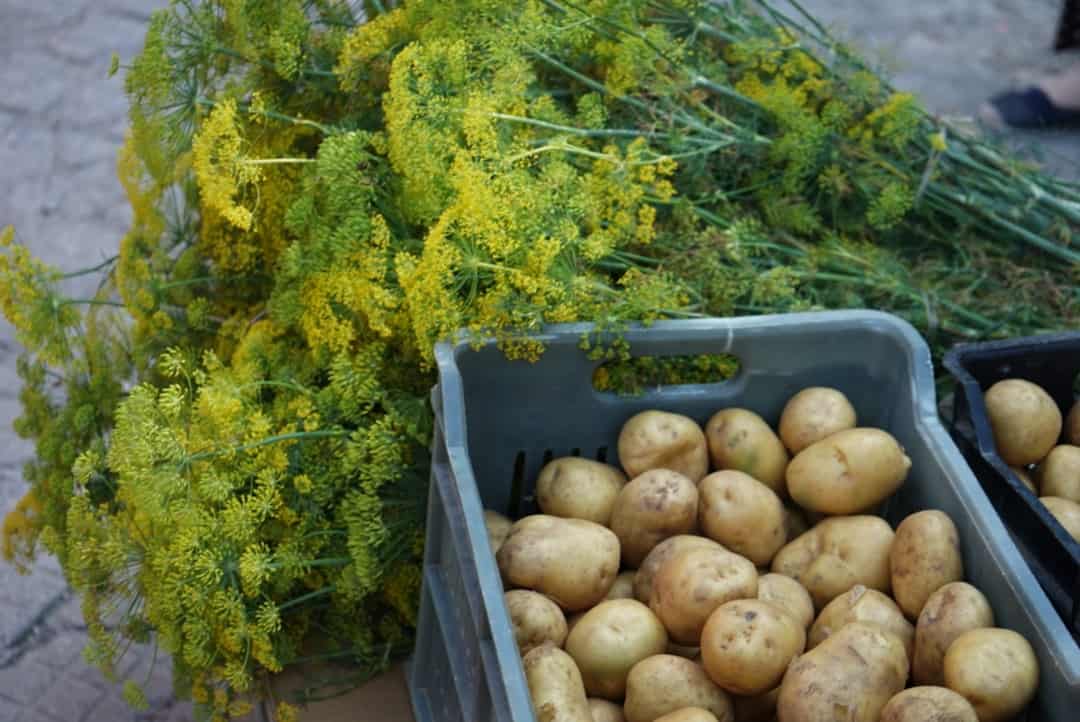
Dill’s ready for harvest at different times, so you can grab fresh leaves or wait for seeds. The feathery leaves are great all season, while the seeds add punch when they mature.
When To Harvest
Pick dill leaves when plants are about 6–8 inches (15–20 cm) tall. The youngest leaves taste best, especially if you pick them in the morning after the dew dries.
For most regions, that’s around 5–8 weeks after sowing. If you want seeds, wait for the yellow flower heads and tiny green seeds to show up.
Harvest seed heads when seeds turn from green to tan or brown and start to dry. Usually that’s in late summer, depending on where you live—like USDA zones 5–9 or temperate places like Melbourne.
Don’t wait too long, or the seeds might drop in the wind. Both leaves and seeds are most flavorful before the plant fades.
How To Harvest
For leaves:
For seeds:
Harvesting Tips
Harvest in the morning after dew dries for the freshest flavor.
If you’re saving seeds, don’t wait until they drop
Handle dill gently, the leaves bruise super easily
Keep picking leaves to get more growth and a longer harvest season.
Storing Dill
Storing dill properly keeps its fresh flavor and aroma ready for your kitchen, whether you’re using it right away or saving some for later. Here’s how to get the most out of every harvest:
Room Temperature Storage
Duration: 1–2 days
Best For: Quick use in salads, garnishes, or recipes
Place dill stems in a glass of water on the counter, just like a bouquet. Change the water daily and keep out of direct sunlight.
Refrigerator Storage
Duration: 1–2 weeks
Best For: Keeping dill fresh for regular cooking
Wrap dill loosely in a damp paper towel and store it in a plastic bag or airtight container in the fridge. Alternatively, keep stems in a jar of water in the fridge, loosely covered with a plastic bag.
Freezing
Duration: Up to 6 months
Best For: Cooking, soups, stews, and sauces
Chop dill and freeze it in ice cube trays with a splash of water or olive oil. Once frozen, transfer cubes to a freezer bag for easy use.
Drying
Duration: 6–12 months
Best For: Long-term storage and seasoning
Tie small bunches of dill and hang them upside down in a warm, dry, airy place until the leaves are crisp. Store dried leaves in an airtight jar away from light and heat.
Properly stored dill means you’ll always have that bright, herby flavor on hand—no matter the season!
Benefits and Uses of Dill
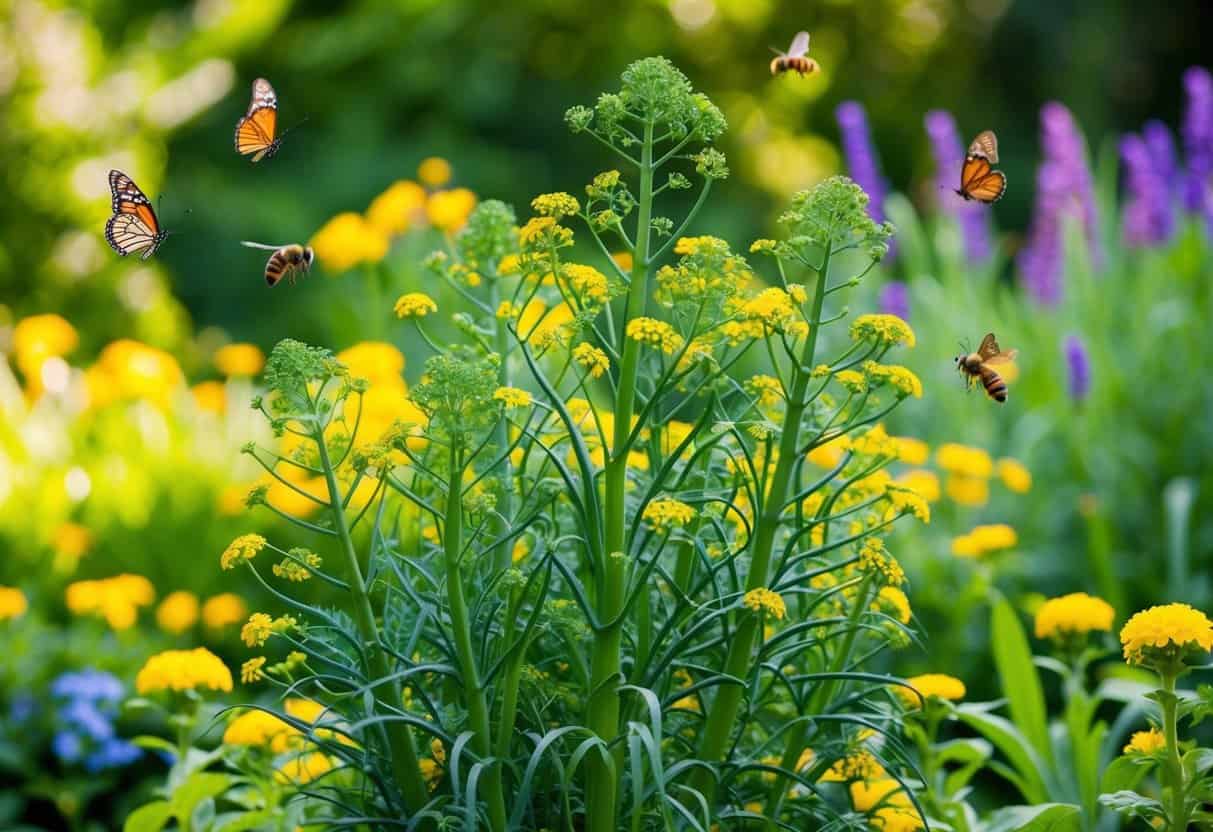
Dill isn’t just a kitchen staple—its feathery leaves and crisp seeds bring unique flavor and fresh aroma to the table.
It’s also a great addition to your garden, drawing in helpful insects and keeping some pests away.
Cooking With Dill
Dill’s got a light, slightly sweet taste with hints of anise and citrus. It pairs beautifully with veggies like carrots, broccoli, cabbage, and brussels sprouts.
The leaves are perfect in salads, dips, and sauces. I love it in tzatziki or sprinkled on orzo salad. It’s also fantastic as a fresh topper for fish or roasted veggies.
Chop dill just before using to keep the flavor bold. For easy prep, rinse the fronds, pat them dry, and stash them in a sealed container in the fridge—they’ll last up to a week.
Add a handful to pickles or scatter over potatoes for a little extra zing. Dill seeds are good toasted in breads, stews, or brine for classic pickles.
Dill’s flavor fades if you cook it too long, so add the leaves at the end of cooking. Fennel holds up better, but dill’s got that special something.
Family Recipes
Bringing dill into your kitchen means you get to try all kinds of simple, family-friendly recipes. Here are a few favorites:
Classic Dill Pickles — Soak fresh cucumbers with dill seeds and vinegar for crisp, tangy pickles.
Creamy Dill Potato Salad — Toss boiled potatoes with fresh dill, carrots, and a bit of lemon juice.
Salmon with Dill Sauce — Mix chopped dill into yogurt or sour cream and serve over baked fish.
Baghali Polo (Persian Dill Rice) — Fold lots of chopped dill and tender fava beans into steamed rice.
Dill and Fennel Slaw — Use slivered cabbage, fennel bulb, and dill for a crunchy, bright side.
Try This: Toss chopped dill into scrambled eggs or sprinkle over roasted brussels sprouts for a fresh, herby twist.
Frequently Asked Questions
When you grow dill, the right pot, companion plants, and timing all matter. Starting seeds indoors and harvesting properly will help you get the most flavor.
Can you guide me through the process of planting dill seeds indoors?
Start seeds indoors about 4–6 weeks before your last spring frost. Fill small trays or pots with seed-starting mix.
Sow seeds 1/4 inch (0.6 cm) deep and cover them lightly with soil.
Keep the soil moist and set the tray in a bright spot, like a sunny window.
Once seedlings sprout, space them out a bit. Move them outside after frost is gone—just harden them off first so they don’t get shocked.
What are your tips for ensuring a successful dill harvest?
Harvest often by pinching or snipping off the leafy tips.
Regular cutting helps the plant grow fuller.
If you want more leaves, take off flower heads before they open.
Water at the base to keep the leaves dry and avoid disease.
Pick in the morning for the brightest flavor.
How do you know when it's the right time to harvest your dill plants?
Dill’s ready when the stems are big enough to snip and before it starts flowering. The flavor peaks just as the flower buds show up but haven’t opened—usually 6–8 weeks after planting.
If you’re after seeds, wait until the seed heads turn brown and dry out.
Could you tell me about the best companion plants for dill?
Dill pairs well with cabbage family veggies like broccoli and kale, plus cucumbers and onions. These combos can attract good bugs and sometimes keep pests away.
Try to avoid planting dill near carrots or tomatoes. They don’t get along well and might mess with each other’s growth.