

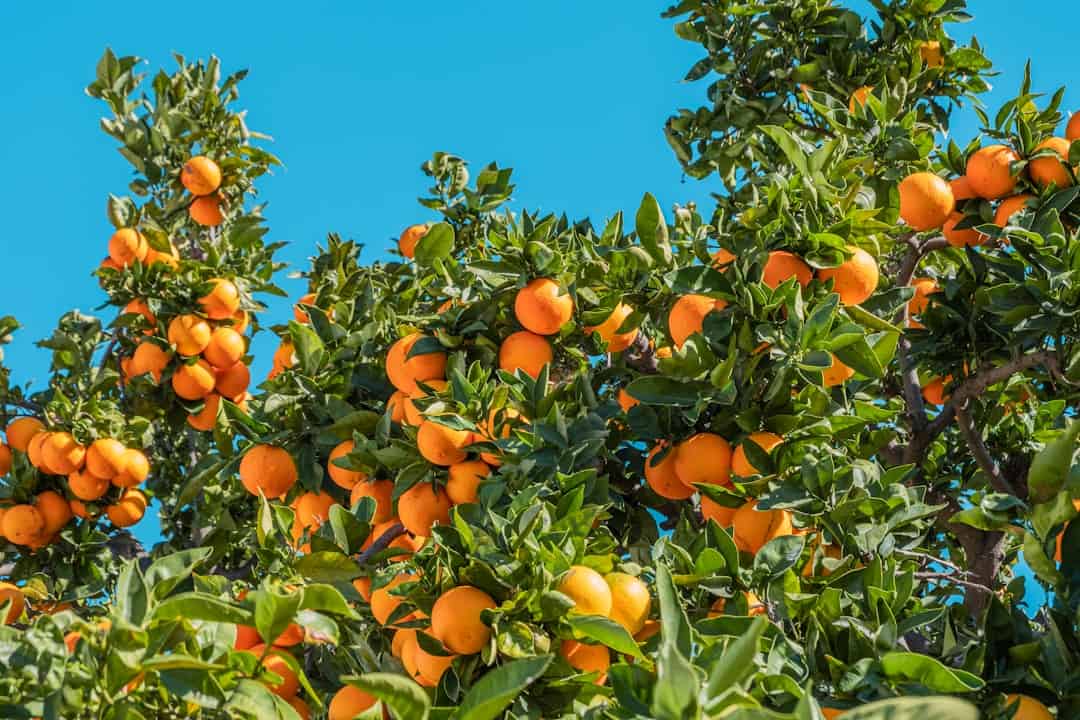
Growing your own oranges isn’t as tough as it sounds. Honestly, it’s a fun project, whether you just want a snack or you’re after those juicy slices for your favorite recipes.
Pick the right variety, get some good soil, and make sure your tree gets plenty of sunlight—then you’re off to a great start. Even if you’re new to gardening, oranges are a fantastic choice. They bring a little beauty to your yard and a lot of flavor to your kitchen.
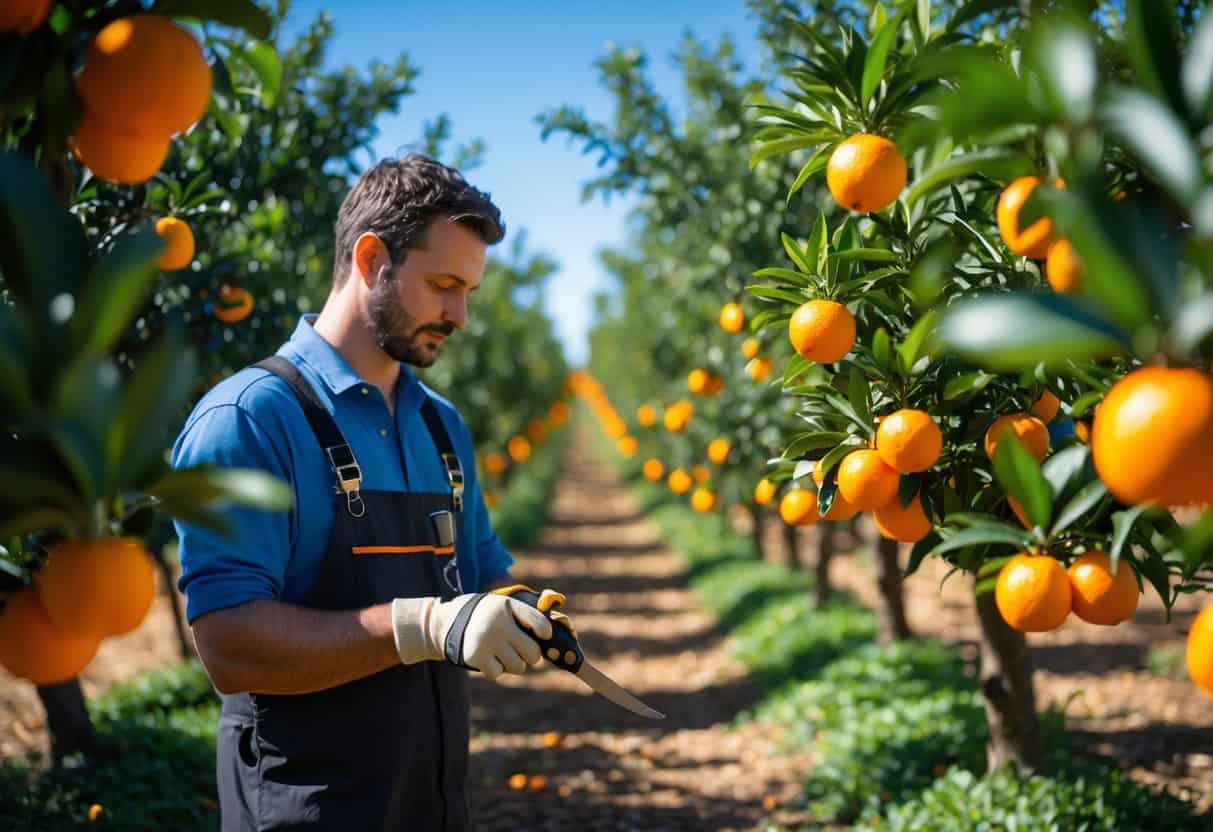
You don’t need a giant yard or anything fancy to grow oranges. Many orange trees actually do well in pots, so they’re great for patios or small spaces.
Whether you live somewhere warm or in a cooler spot, you can still get sweet oranges if you follow a few simple steps. I remember growing my first orange tree in a pot on my balcony—it was a bit of an experiment, but that first harvest? Totally worth it.
Quick Tips for [Plant]
Best Time To Plant
Spring or early summer, after last frost
Sun / Lighting
Full sun, at least 6–8 hours per day
Spacing
2–15 ft (3.5–4.5 m) between trees
Soil Type / PH
Well-draining, sandy or loamy soil; pH 5.5–6.5
Container Info
LPot: at least 18–24 in (45–60 cm) wide, 15–20 gal (60–75 L). Use quality citrus potting mix; ensure good drainage.
Propagation
Grafted trees give fruit sooner. Seeds can be used but may take 7–10 years to fruit and may not produce true-to-type.
About Oranges
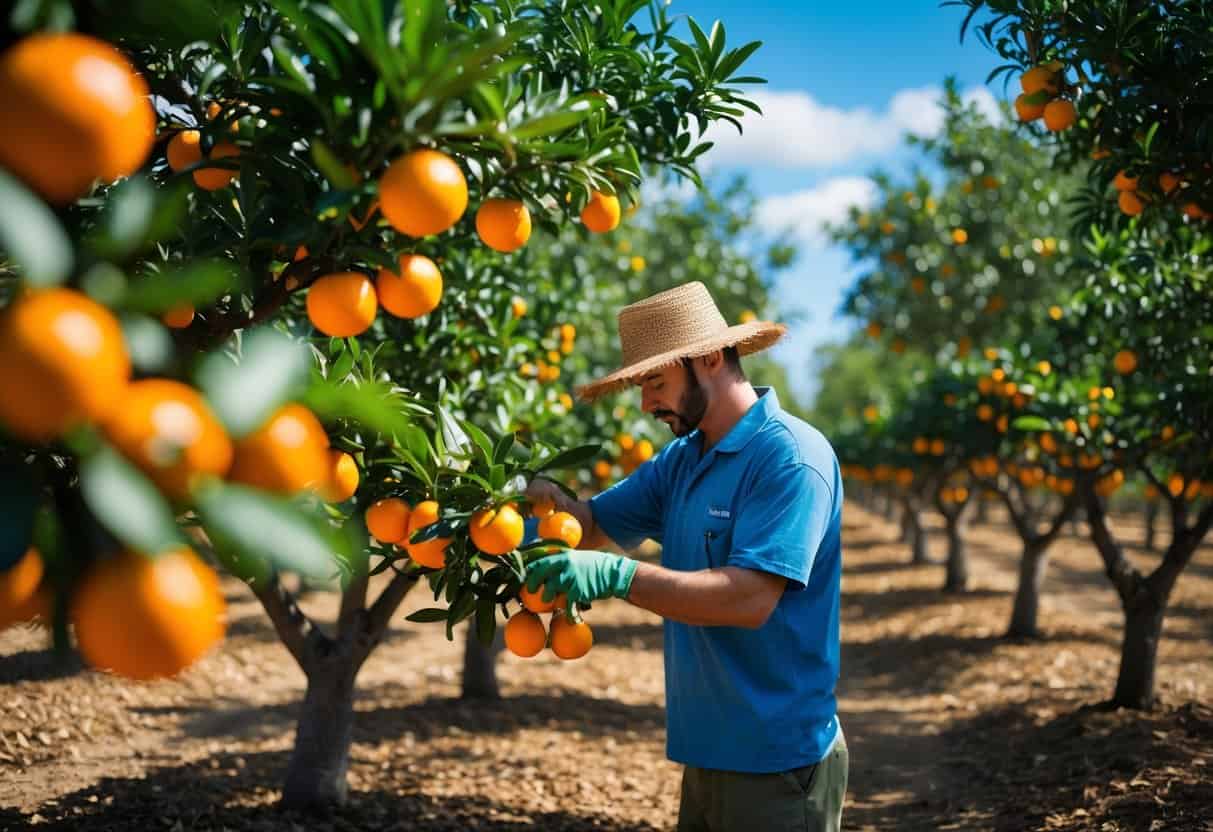
Oranges are one of the world’s favorite citrus fruits. They’re known for that sweet, juicy flavor and you’ll find them in everything from fresh snacks to juice and all kinds of recipes.
They belong to the citrus family and have those bright orange peels and lovely, fragrant white flowers. In the U.S., especially in places like Florida and California, oranges are grown everywhere—from big farms to backyard gardens.
Oranges Growth Habits
Oranges grow on evergreen trees that can stick around for decades if you care for them. Each spring, you’ll see clusters of small white flowers that attract pollinators, though most orange trees don’t actually need bees to set fruit.
These trees really love sunlight and warmth. Aim for at least 6–8 hours of sun every day.
They also prefer deep, well-drained soil that’s a little on the acidic side—somewhere around pH 5.5 to 6.5 is good.
Oranges take their time to develop. The fruit starts out green and slowly turns that classic deep orange as it ripens.
You’ll want to water regularly, especially if it’s dry, to get plump, juicy fruit. With a bit of patience and care, a single tree can give you dozens—sometimes even hundreds—of oranges each season.
Growing Zones for Oranges
USA:
- Zones 9–11 as perennials, 8 as annuals
- In cooler zones, grow in containers and bring indoors for winter. In hot southern regions, provide extra water and light afternoon shade.
Australia:
- Tropical, subtropical, and warm temperate
- In cooler temperate or alpine areas, use large pots and move under cover for frost protection. In hot/arid regions, mulch well and water deeply.
Varieties Of Oranges
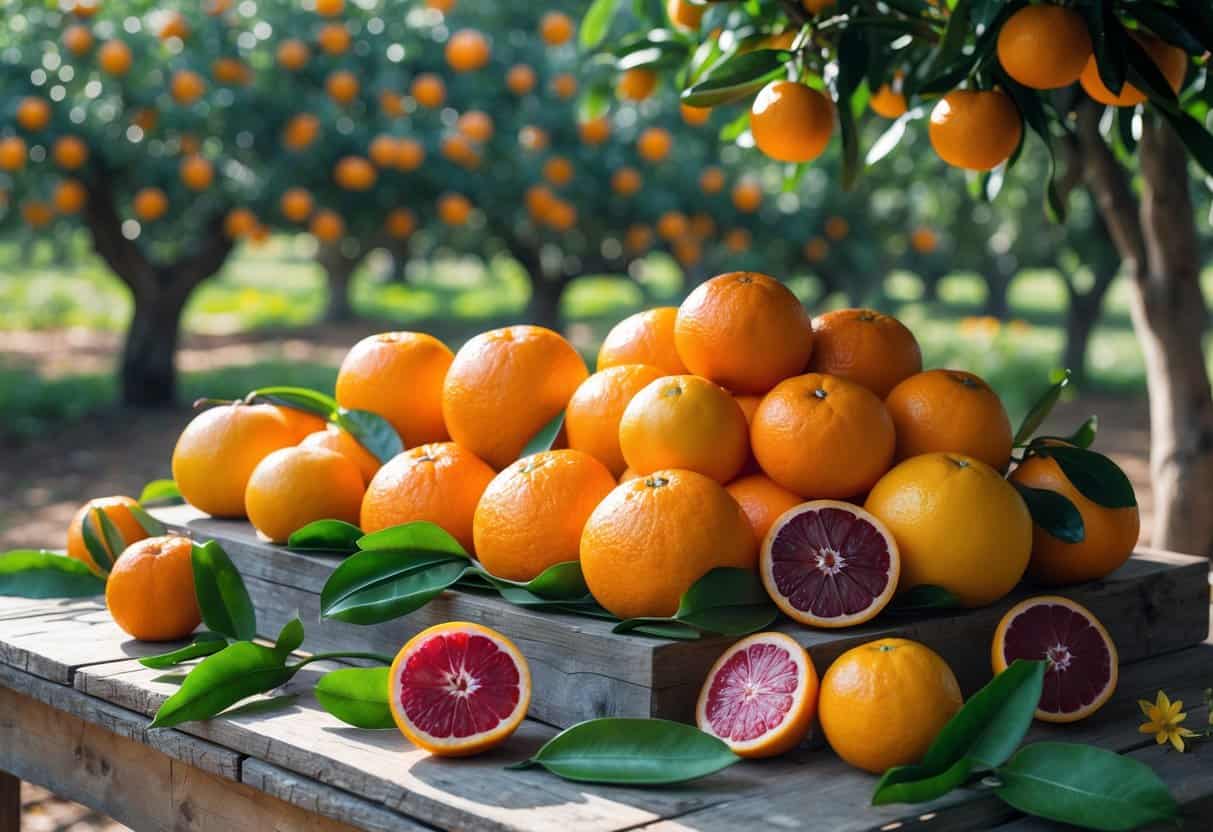
There are tons of orange tree types out there, all with their own flavor and personality. Some love the heat, others are okay with cooler weather or growing in a pot.
Here are a few popular orange and citrus varieties to consider:
Valencia
Appearance: Medium-sized, thin-skinned, bright orange fruit
Flavor: Sweet and juicy, classic orange taste
Best Use: Fresh eating, juicing, making marmalade
Navel
Appearance: Large, round fruit with a “belly button” at one end
Flavor: Sweet, seedless, and super easy to peel
Best Use: Eating fresh, snacks, salads
Blood Orange
Appearance: Smaller, with red streaks or deep red flesh
Flavor: Sweet and tangy, with a little raspberry vibe
Best Use: Colorful juices, desserts, salads
Citrus Mitis (Calamondin)
Appearance: Bright orange, bumpy skin, and a little knob at the stem
Flavor: Sweet-tart, a mix of tangerine and grapefruit
Best Use: Snacking, juicing, lunchboxes
Tangelo
Appearance: Smaller fruit, pale orange to deep purple when ripe.
Flavor: Super sweet when soft and fully ripe; astringent if you jump the gun.
Best Use: Jams, puddings, baking.
When you’re picking a tree, think about your climate and space. Some, like satsuma or calamondin, are better for cooler areas or for growing in containers. Sweet oranges such as Valencia really need a warm, sunny spot to do their best.
Quick Tips For Choosing Best Variety
Go for cold-hardy types (like satsuma or calamondin) if you’re in a cooler area
Choose seedless varieties (like navel) for easy snacking
Try container-sized trees if you’re short on space
Ask local nurseries what works best in your area


Planting Oranges
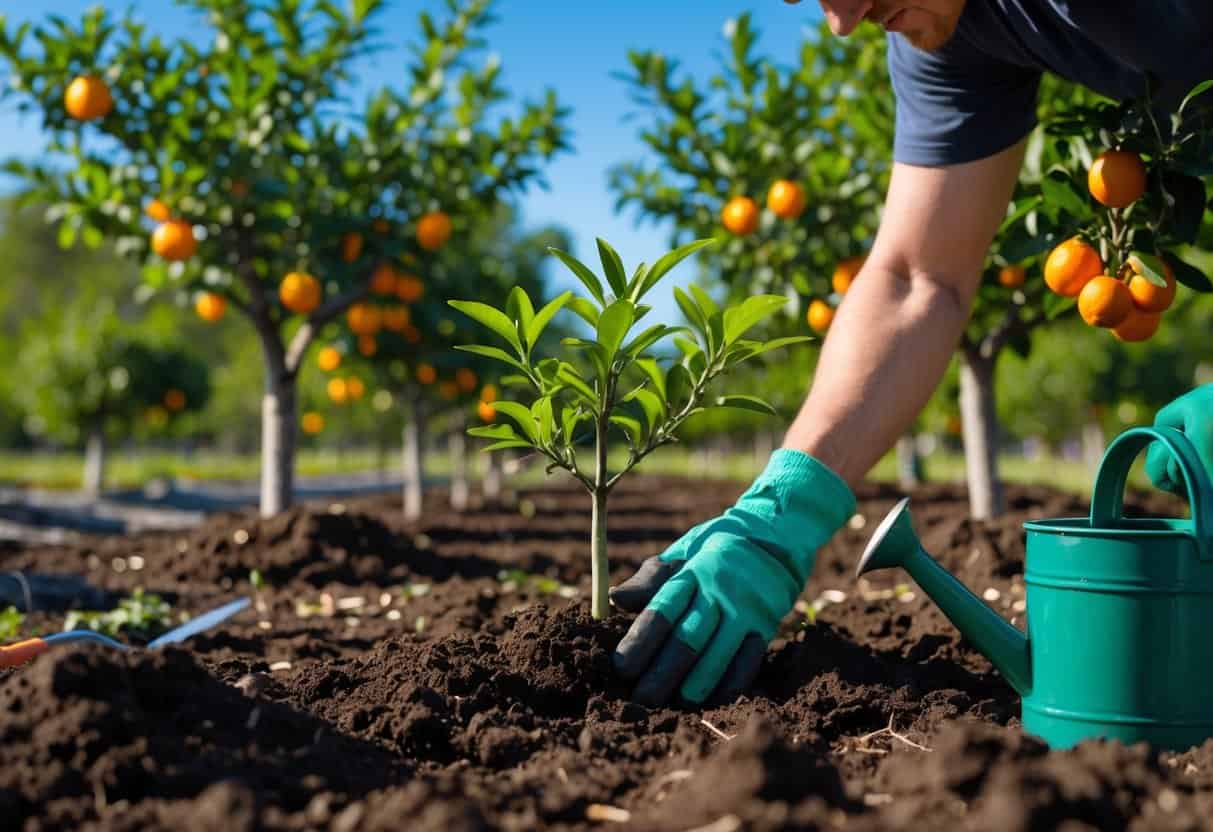
Planting oranges is mostly about timing and location. Whether you’re putting a tree in the ground or in a pot, the choices you make early on really matter.
When To Plant
Spring is usually the best time to plant orange trees, after the last frost is gone. Young trees just don’t handle cold well, so wait until it’s reliably above 50°F (10°C).
If you’re in a mild, frost-free area, fall works too. The soil’s still warm, which helps roots settle in before winter.
Try to avoid planting during the peak of summer heat or in wet seasons, since that can stress young trees.
Seeds can be started indoors any time of year, but only move them outside when it’s warm enough. If you buy grafted seedlings or bare-root trees, get them in the ground as soon as you bring them home.
Transplanting from pots is safest in mild weather. That way, roots don’t get shocked by cold or scorched by summer sun.
Where To Plant
Orange trees need a sunny spot—at least 6–8 hours of direct sunlight is ideal. Pick a place sheltered from strong winds, since gusts can snap branches or knock off fruit.
Soil should be loose and well-drained, with plenty of organic matter. Avoid clay or soggy spots, since those can cause root rot.
If water pools after rain, pick another area or build up a mound to plant on.
Keep trees away from buildings or other trees so air can move around them. For full-sized trees, leave about 15–20 feet (4.5–6 m) of space. Dwarf citrus trees can squeeze into smaller gardens, needing only about 8–10 feet (2.5–3 m).
Oranges do best in the ground in warm spots. If your winters get below freezing, plant in a big pot or move young trees inside when it’s cold.
Container/Small-Space Growing
Dwarf orange trees are awesome for pots or balconies. Use a container at least 18–24 inches (45–60 cm) wide and deep.
Make sure your pot has drainage holes to avoid root rot. Use a good potting mix made for citrus, or mix in compost for nutrients.
Put your container where it’ll get full sun, but out of strong wind. Move it inside or to a protected spot if it drops below 40°F (5°C).
Containers dry out quickly, so water your orange tree regularly. Don’t let it sit in soggy soil, though.
Every couple of years, you might need to move your tree to a bigger pot as it grows.
Fertilize potted citrus every 4–6 weeks during spring and summer. Use a citrus-specific blend or slow-release pellets. Even small trees can give you sweet fruit with the right care.
How To Plant
Dig a hole that’s twice as wide and just as deep as the root ball of your orange tree. If you’re planting a seedling or grafted tree, gently loosen the outer roots before setting it in the hole.
Backfill with the original soil (not fresh compost), so you don’t burn the young roots. Keep the graft union (that knobby bit above the roots) a couple inches above the ground.
Water well to settle the soil. Add mulch around the base, but leave a gap near the trunk to prevent rot.
For seeds, plant each one about half an inch (1.5 cm) deep in moist soil—pots or straight in the ground, if it’s warm enough. Thin seedlings later so each has space.
Give trees enough room for the roots to spread out.
Propagation
You can grow oranges from seed, but most backyard trees come from grafted seedlings at a nursery. Trees from seed take a long time—sometimes 7–10 years—to make fruit, and they might not be true to the parent.
Grafting is when you join a cutting from a good orange tree to a special rootstock. This gives you fruit faster and keeps the tree a manageable size.
If you want to try seeds: • Rinse and peel seeds from a ripe orange. • Let them dry for a few hours, then plant flat-side down in moist soil. • Keep the soil warm, around 70–80°F (21–27°C), and wait a few weeks for sprouts.
Cuttings and air layering are other options, but they take more skill and patience. For most home growers, grafted trees are just easier and more reliable.
Care And Maintenance Of Oranges
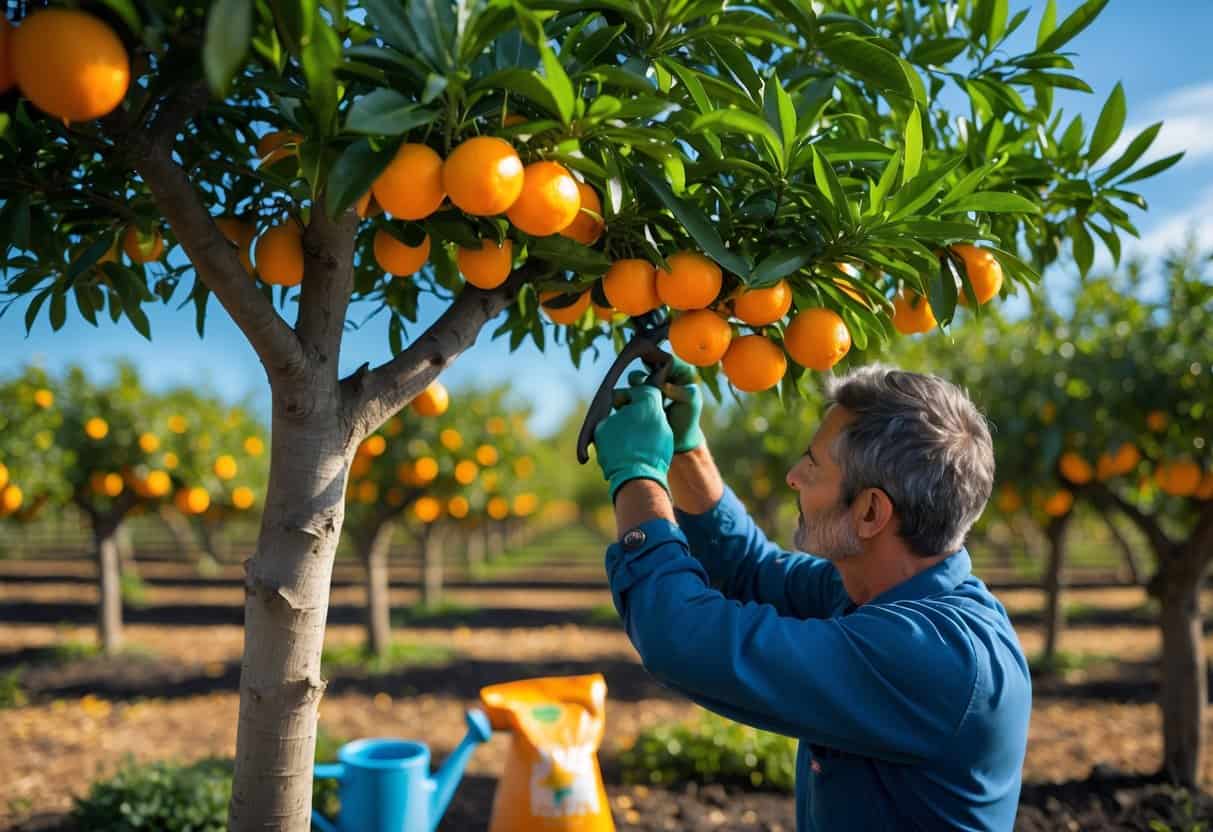
Orange trees need regular care. Watering, feeding, and a bit of pruning make all the difference.
Give your tree as much sunlight as possible for the best fruit.
Watering Needs
Oranges like soil that’s evenly moist but not soggy. Deep watering helps roots grow strong.
Check the soil every few days. If the top inch (2.5 cm) feels dry, it’s time to water.
During hot summer weather, you might need to water every 5–7 days. In cooler months, cut back.
Always water at the base of the tree and try to keep the leaves dry.
Quick tip: Lightly scratch the fertilizer into the soil before you water. That helps it soak in better.
Fertilizer
Orange trees are hungry plants, especially for nitrogen, if you want strong leaves and good fruit. Go for a balanced organic citrus fertilizer—something close to a 2-1-1 (N-P-K) ratio. Just scatter it evenly, not right up against the trunk, but under the canopy where the branches reach.
Feed your tree in early spring, and maybe again at the end of summer if it’s still putting out new growth. Stick to the directions on the bag so you don’t burn the roots by accident.
Pruning
Oranges don’t need much pruning. Just snip away any dead, damaged, or crossing branches whenever you spot them, using sharp and clean pruners. Try to keep the middle of the tree open so sunlight and air can get in.
A little shaping in late winter or early spring keeps the tree tidy and a manageable size. Don’t go overboard—orange trees make fruit on new wood.
Here’s something to keep in mind: Leave those little fruiting branches alone, or you’ll end up with fewer oranges later.
Orange Problems And How To Fix Them
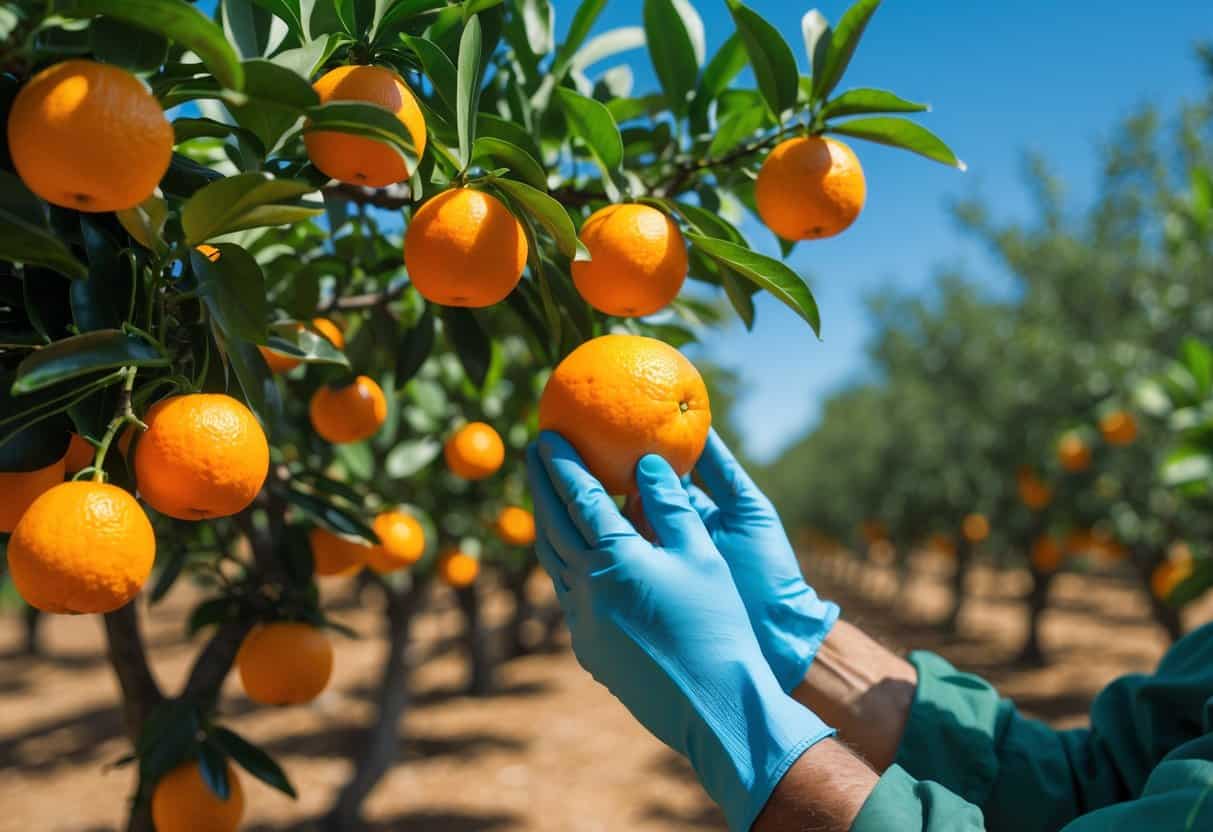
Growing orange trees can be a joy, but let’s be honest—sometimes things just don’t go as planned. Pests, diseases, or weird growth issues can pop up out of nowhere.
Pests
A few bugs seem to love orange trees as much as we do. Aphids, citrus leafminers, and scale insects are the main troublemakers.
Aphids
Leaves curl or get sticky, and you might spot ants nearby.
Blast them off with water or try insecticidal soap. Ladybugs are great allies here.
Citrus Leafminer
Look for wiggly lines on young leaves.
Snip off bad leaves and don’t overfeed when the tree is growing fast. Neem oil can help.
Scale Insects
Little hard bumps on stems or under leaves, plus sticky stuff.
Wipe them off gently or use horticultural oil.
Fruit Flies (mostly in Australia)
Tiny holes in fruit, sometimes with worms inside.
Set out fruit fly traps and pick fruit as soon as it’s ripe.
Birds (US & Australia)
Pecked fruit or missing bits of peel.
Try bird netting or shiny ribbons to scare them off. Deer and rabbits usually leave orange trees alone unless they’re desperate.
Diseases
Oranges can get sick from fungi, bacteria, or viruses, especially if the tree’s stressed or it’s been really wet.
Root Rot (Phytophthora)
Leaves turn yellow, tree wilts, growth slows; roots look brown and mushy.
Plant in well-drained soil, don’t overwater, and cut away bad roots if you can.
Citrus Canker
Raised rough patches on leaves or fruit, often with yellow rings.
Prune out infected bits, keep tools clean, and avoid watering from above. Sometimes you’ll need a pro for bad cases.
Greasy Spot
Oily dark spots on leaves that might fall off.
Rake up fallen leaves and use copper fungicide if it gets bad.
Sooty Mold
Black coating on leaves, usually where pests have been.
Get rid of the bugs and wash off the mold with soapy water.
Spot & Fix Orange Problems
Check your tree every week or so. Jumping on problems early makes them way easier to handle. If you’re stumped, reach out to a local gardening group or extension office.
Growing Problems
Sometimes your orange tree just doesn’t seem happy, even with no obvious bugs or disease. Usually, it’s water, light, or food that’s off.
Yellow Leaves
Leaves look pale or yellow.
Check your watering—too much or too little both cause this. Make sure the soil drains and feed with citrus fertilizer.
Leaf Drop
Leaves fall off, sometimes all of a sudden.
Water deeply but not too often. Let the top soil dry out a bit before watering again.
Poor Fruit Set or No Fruit
Not much fruit after flowering.
Young trees may just need more time. Make sure there’s plenty of sun (8+ hours) and protect from cold snaps during flowering.
Small or Dry Fruit
Oranges are tiny or dry inside.
Feed with balanced fertilizer and keep up with watering, especially as fruit develops.
Harvesting Oranges
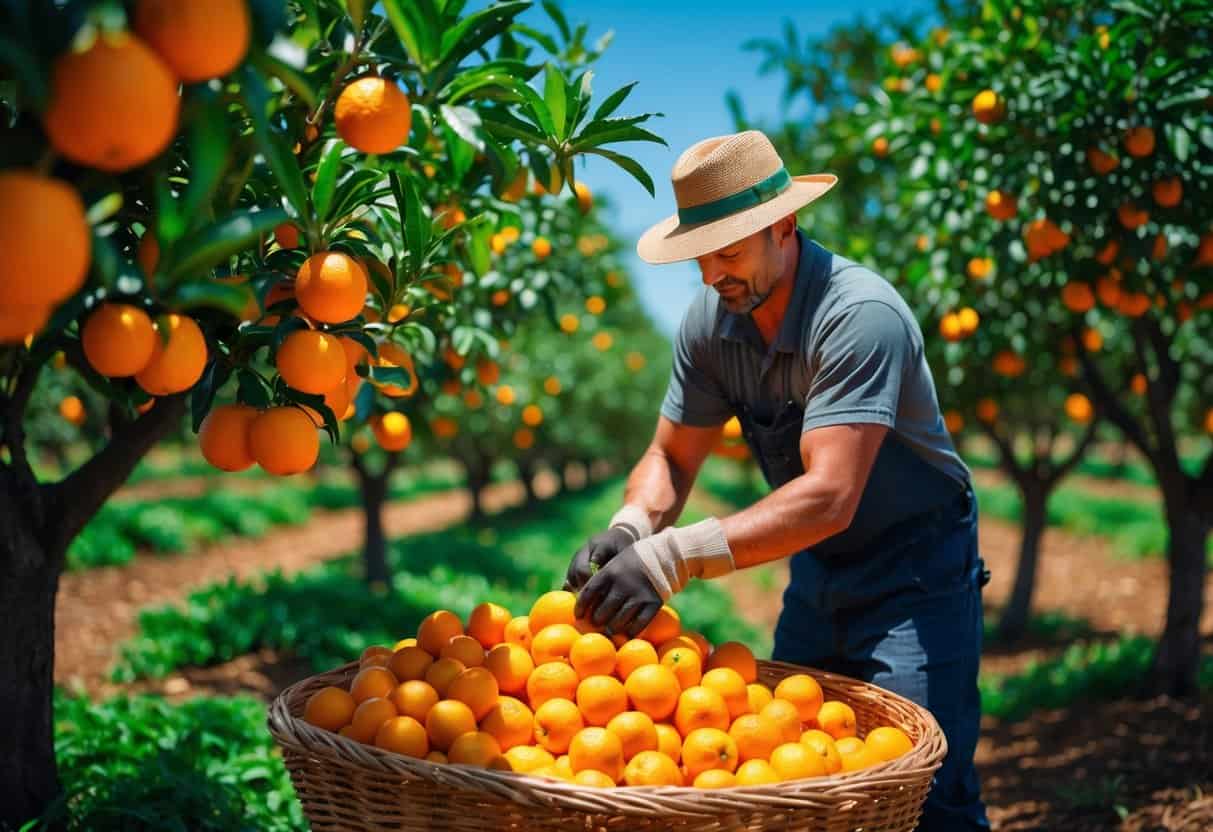
Figuring out when to pick your oranges is half the fun—and it’s the best way to get fruit that actually tastes good. Timing and a gentle touch will help you get the most out of your tree.
When To Harvest
Oranges ripen right on the tree. They won’t get sweeter after you pick them, so only harvest when they’re fully ripe. Most oranges are ready sometime between late fall and early spring, depending on your climate and the variety.
Here’s what to look for:
- The orange feels heavy for its size.
- The skin is bright orange, with hardly any green.
- With a gentle twist, the fruit comes off easily.
Sometimes color can fool you—some types look ripe before they’re actually sweet. If you’re not sure, just pick one and taste it. If it’s juicy and sweet, go ahead and harvest the rest. Oranges can hang out on the tree for weeks after they ripen, so no rush.
How To Harvest
Be gentle when you pick oranges to avoid hurting the fruit or the tree. Use clean, sharp shears or scissors if the stem is stubborn. For low fruit, just cup the orange and twist until it pops off.
If you need to reach higher up, use a sturdy ladder—no need to risk it. Sometimes, you can lay a blanket down and gently shake the branch so ripe oranges drop.
Storing Oranges
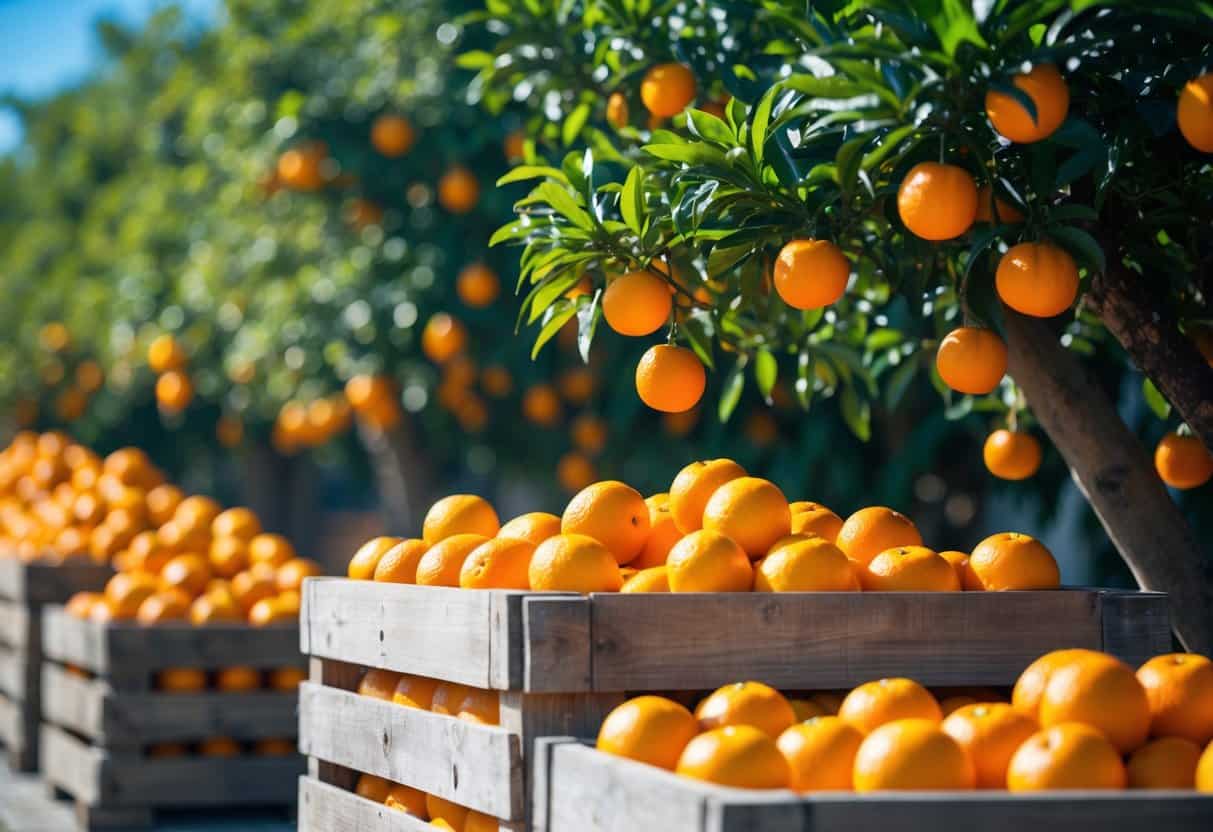
After you’ve harvested your oranges, how you store them makes a big difference in how long they stay tasty. Store-bought ones are usually washed, waxed, and chilled, but homegrown fruit is a bit different.
Here’s how you can keep your oranges fresh at home:
On the Tree
2–3 months (depends on climate and variety)
Great if you want to pick as you go, especially while the weather’s mild.
Room Temperature
1–2 weeks
Perfect for keeping a bowl on the counter. Just keep them out of direct sun and check for soft spots.
Refrigeration
3–4 weeks
Helps them stay juicy for longer. Store loose or in a mesh bag in the fruit drawer.
Freezing (Segments or Juice)
Up to 6 months
For smoothies or baking, peel and separate segments or squeeze juice. Freeze in airtight containers.
Preservation Tips
Dried orange slices keep in a jar for up to 6 months—handy for tea, baking, or crafts.
If you want to save seeds, dry them on a paper towel and stash them in a sealed container in the fridge.
Benefits and Uses of Oranges
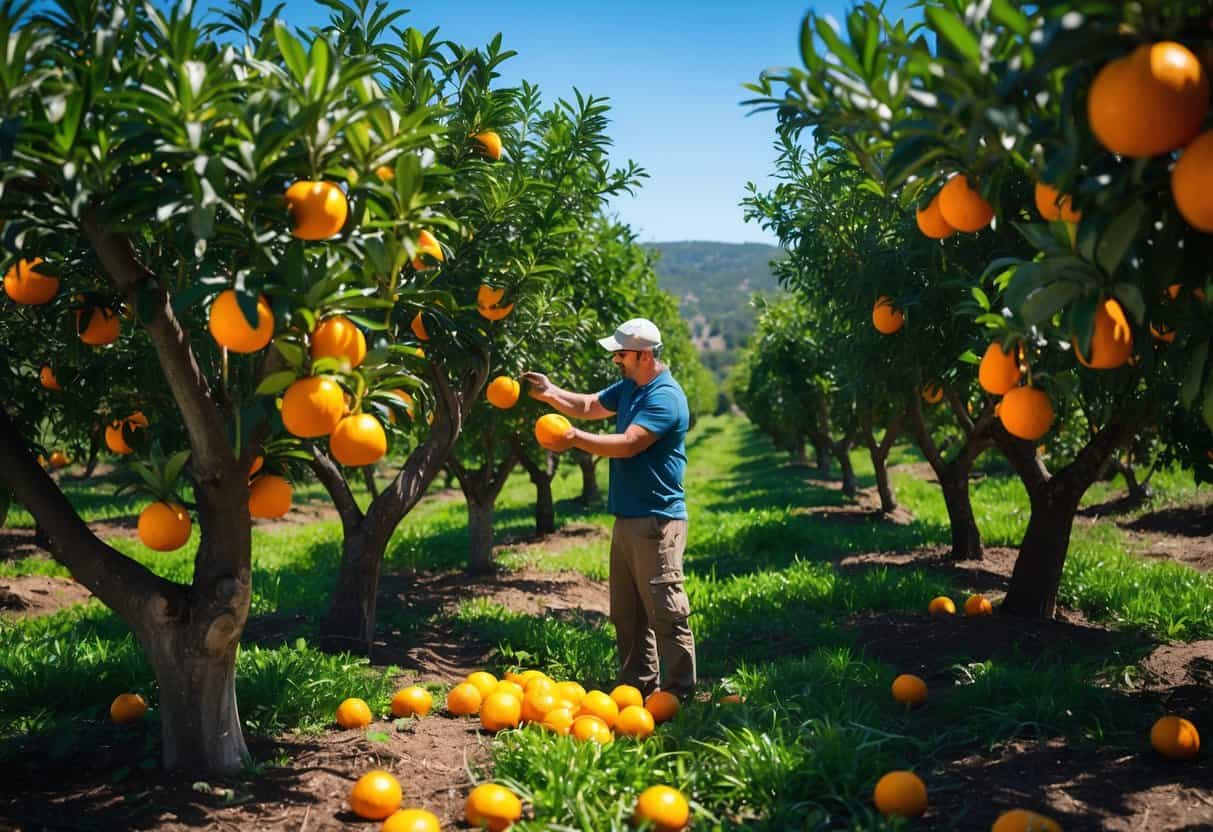
Oranges aren’t just for eating out of hand. They’re super versatile in the kitchen, great for crafts, and even handy for homemade remedies.
Cooking With Oranges
Oranges bring a fresh, sweet kick to all sorts of recipes. The juice and zest brighten up salads, dressings, and baked goods. Fresh segments are awesome in fruit salads or just as a snack.
Try pairing orange with chicken, duck, or fish for a citrusy main dish. It also goes well with cinnamon, honey, ginger, and almonds. Orange zest makes muffins, cakes, and even savory grains taste special. Keep whole oranges in the fridge for up to two weeks, or freeze zest in little bags for later.
Orange slices work as a garnish for sweet and savory dishes. Squeeze fresh juice over roasted veggies or mix with sparkling water for a refreshing drink.
Family Recipes
There are so many ways to use oranges in family recipes. Here are a few favorites to try:
Orange Poppy Seed Muffins
Moist breakfast treats with zest and a sweet glaze.
Classic Aussie Orange Cake
Buttery cake made with whole oranges—great for lunchboxes or tea.
Simple Orange Chicken Stir-Fry
Quick dinner with orange juice and honey in the sauce.
Old-Fashioned Marmalade
Tangy spread made from whole oranges, peel and all.
Orange and Fennel Salad
Fresh side dish with orange slices, fennel, and light vinaigrette.
If you’ve got leftover peels, simmer them with sugar and water for a simple syrup—perfect in lemonade or iced tea. It’s a good way to use up every bit and cut down on waste.
Frequently Asked Questions
Growing oranges starts with picking the plants and making sure they get plenty of sun and warmth. A bit of attention to care and timing goes a long way, whether you’re growing indoors or out.
Can you grow an orange tree from a cutting
Yes, you can grow an orange tree from a cutting, but it’s tricky and not very reliable for most home gardeners.
Orange cuttings often rot or fail to root unless you can provide steady warmth and humidity—think greenhouse conditions. That’s why most orange trees you see in nurseries are grafted onto special rootstock, which gives a stronger, healthier plant and fruit much sooner.
If you want to try, take a healthy stem, use rooting hormone, and keep it moist and warm under a plastic bag or dome. Just keep your expectations realistic and consider planting a grafted tree as well for the best chance of enjoying homegrown oranges.
What is the estimated time for an orange tree to bear fruit when grown from a seed?
If you’re starting an orange tree from seed, you’re probably in for a bit of a wait—usually somewhere between 7 and 10 years before you see any fruit.
Grafted trees or young nursery saplings are a different story; you might get fruit in just 3 or 4 years, which honestly feels a lot more rewarding.
Just remember, patience is key here. Orange seedlings really need time and steady care to get strong enough to produce anything.
How can I speed up the growth of my orange tree?
Give your tree as much sun and warmth as you can, especially in spring and summer. Use a slow-release, balanced organic fertilizer during the growing season.
Make sure the soil drains well and don’t overwater. Trim weak branches in spring so the tree can focus energy on healthy growth.