

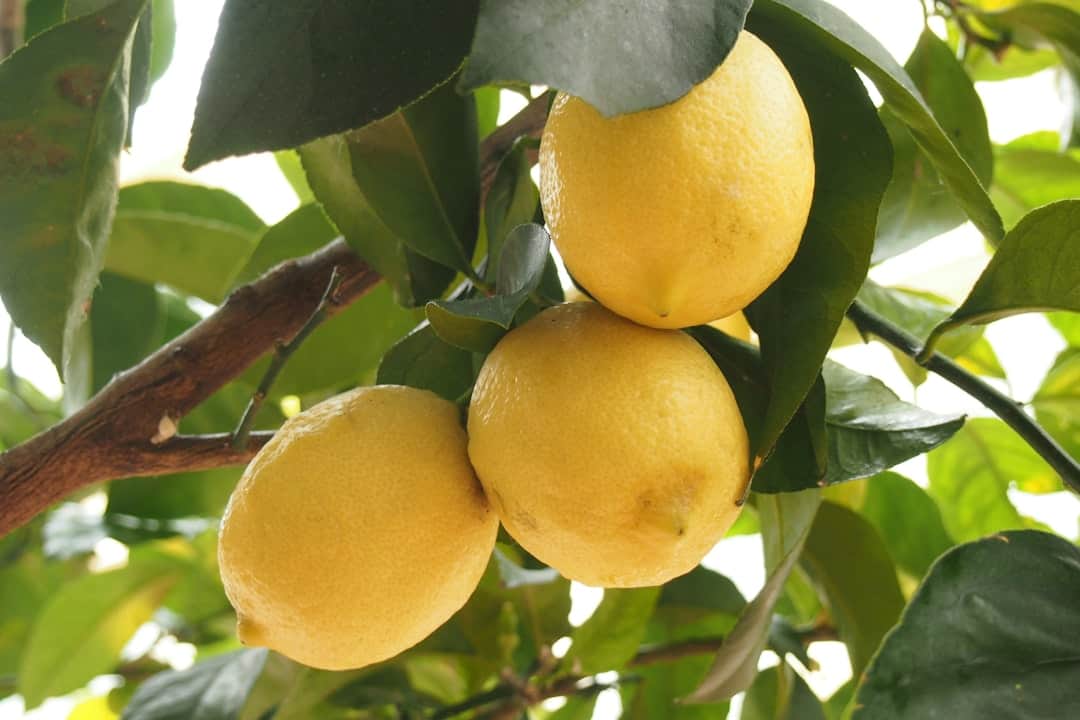
Got a sunny windowsill, balcony, or backyard? You can grow your own lemon tree.
With a few key steps, you’ll get healthy leaves, fragrant flowers, and eventually, your very own lemons. Indoors or outdoors, lemons just need some warmth, sunlight, and a bit of care.
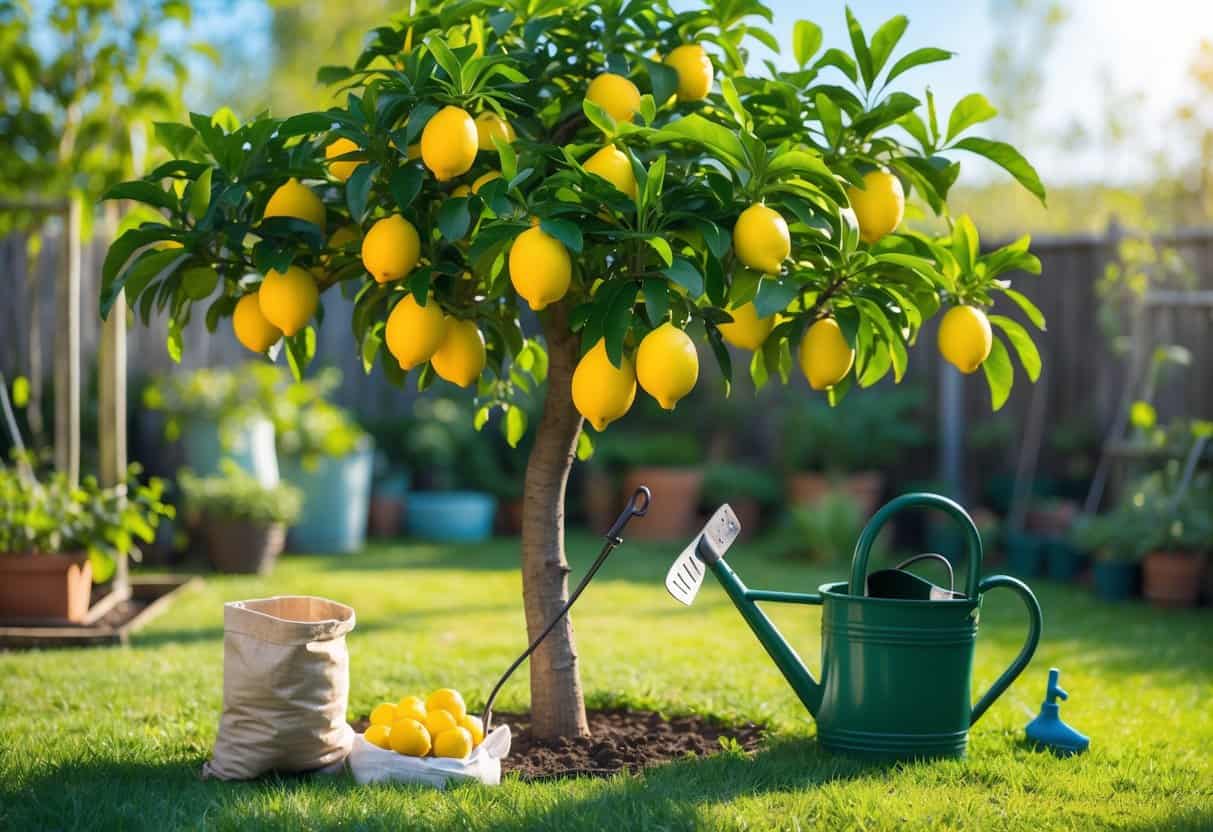
Lemons are one of the most satisfying fruits to grow at home, even if you’re just starting out. You can begin with seeds or young trees, in pots or straight in the ground.
Homegrown lemons have a flavor that’s just different—brighter, more vibrant—than anything you’ll find at the store. Plus, that cheerful yellow fruit always looks good in the kitchen.
Quick Tips for Lemons
Best Time To Plant
Spring or early summer, when nights stay above 55°F (13°C)
Sun / Lighting
Full sun, 6–8 hours daily; indoors, use a bright sunny window or grow lights
Spacing
10–15 ft (3–4.5 m) outdoors; pots at least 2–3 ft (60–90 cm) apart
Soil Type / PH
Well-drained, sandy loam; pH 6.0–7.0
Container Info
Minimum 10–15 gal (40–60 L), 16–20 in (40–50 cm) wide; good drainage, avoid clay pots
Propagation
Grafted trees (fastest, reliable fruit); seeds (slow, not always true to type, 5+ years to fruit)
Crushed eggshells mixed into potting soil add calcium and help prevent yellow leaves and blossom drop.
I still remember the first time my lemon tree flowered on my apartment balcony —the scent was unreal, and it made my kitchen feel alive. Even in a small apartment, a little citrus tree can really brighten things up.
About Lemons
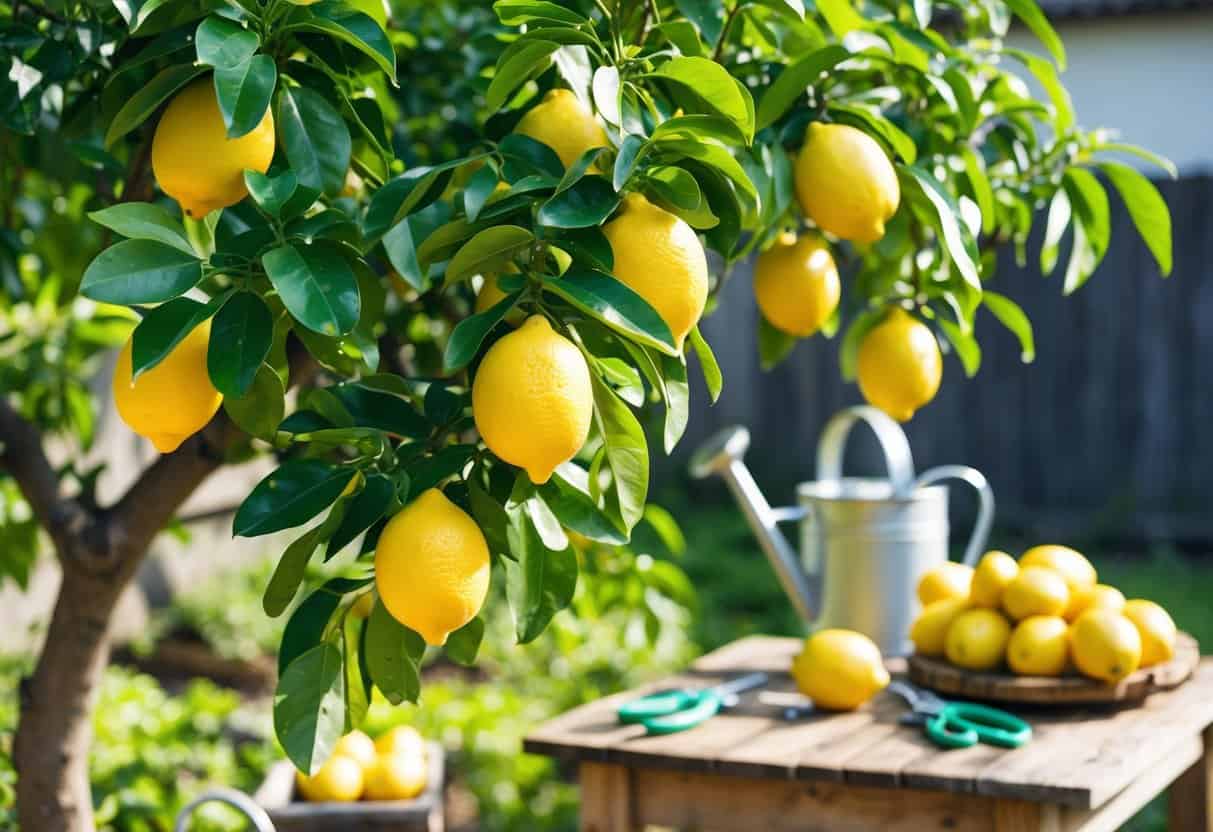
Lemons are citrus trees famous for their bright yellow fruit and bold, tart flavor. The fruit and the tree both bring something special to your kitchen and garden—great for cooking, drinks, and even homemade cleaners.
Lemon Growth Habits
Lemon trees (Citrus limon) are evergreen, keeping their leaves year-round in warm places. They do best where winters are mild and the sun is strong.
If you live somewhere cold, you can still grow lemons by bringing them indoors for the winter or growing them in containers. The trees bloom with white or pale pink flowers, which turn into small green lemons that slowly ripen to yellow.
Lemon trees need regular water and like slightly acidic soil. Dry air can slow their growth or damage flowers, so misting helps—especially inside.
Most citrus trees take three to five years before you’ll see lemons. Once mature, a single tree can give you hundreds of lemons every year. Not a bad deal for a little patience.
Growing Zones for Lemons
USA:
- Zones 9–11 as perennials, 8 as annuals
- In cool areas, use containers and bring inside before frost; outdoors in warm zones
Australia:
- Subtropical, tropical, temperate
- In cool climates, grow in pots and protect from frost; water more in hot areas
Varieties Of Lemons
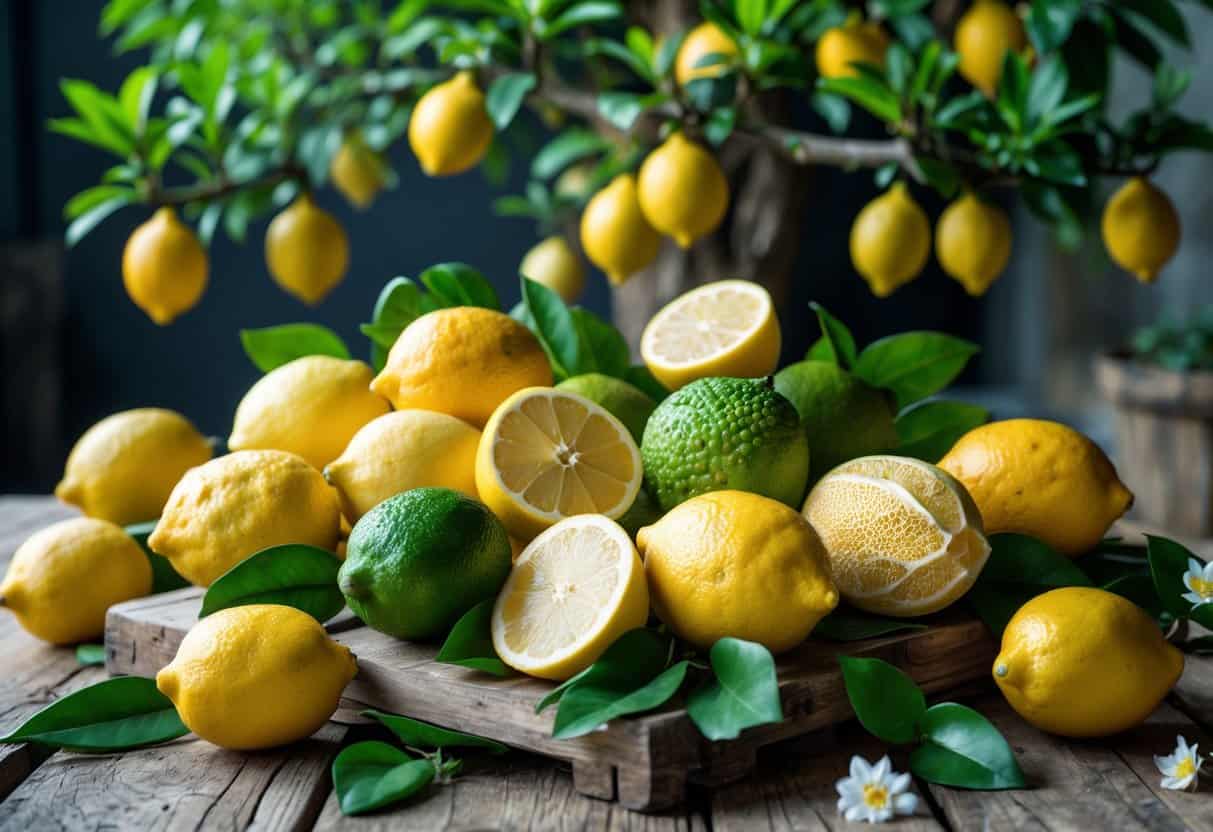
Picking a lemon tree? It’s good to know what makes each type unique. Lemons come in different sizes, flavors, and uses.
Some are great for snacking or desserts, while others really shine in recipes. Here are a few classic types:
Meyer Lemon
Appearance: Small to medium, more round, thin deep yellow skin.
Flavor: Sweet-tart, less acidic, with a gentle floral taste.
Best Use: Nice for fresh eating, desserts, and drinks.
Lisbon Lemon
Appearance: Medium to large, classic lemon shape, thick bright yellow skin.
Flavor: Tart, strong acidity, full lemon aroma.
Best Use: Great for cooking, juicing, and preserving.
Eureka Lemon
Appearance: Medium, a bit elongated, pale yellow, not many seeds
Flavor: Very tart, classic lemon flavor.
Best Use: Solid for everyday kitchen use and zesting.
Variegated Pink Lemon
Appearance: Green and cream stripes when unripe, pink flesh inside.
Flavor: Milder acid, subtle sweetness.
Best Use: Fun in drinks and for color.
Meyer lemons are a favorite for growing indoors or in small spaces. They’re a bit more forgiving with cool temps. Lisbon and Eureka types fruit almost all year in warm climates and handle heavy kitchen use
Quick Tips For Variety Selection
Meyer lemons: sweeter, easier indoors.
Lisbon or Eureka: classic tartness, bigger crops.
Variegated pink: looks cool, great in drinks.
Always check if it fits your climate and space.
Grafted trees fruit faster and are more reliable.


Planting Lemons
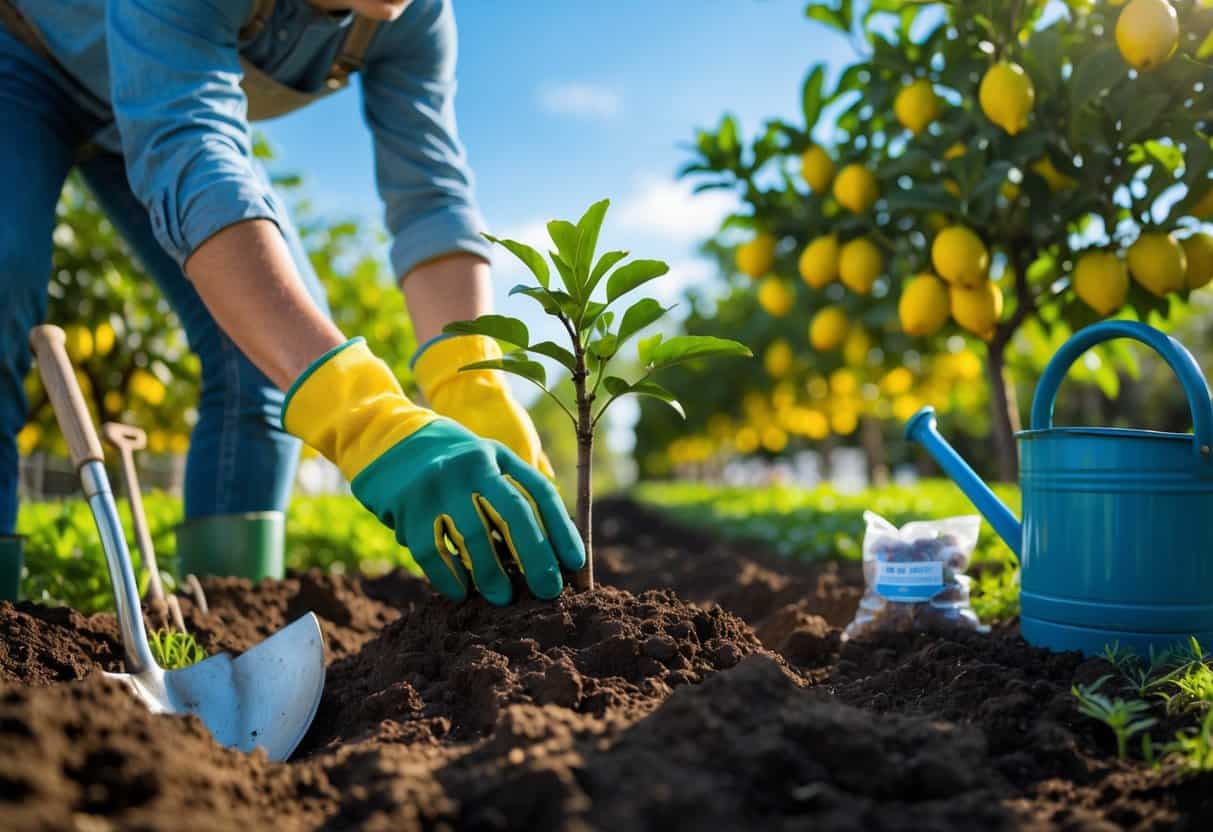
Growing lemons is totally doable if you get the basics right: timing, spot, and how you plant. Lemons love warm, sunny places with good soil, and you can even grow them indoors in pots if you pick the right type and pay attention to their needs.
When To Plant
Plant lemon trees in late winter or early spring. This gives them time to settle before the heat kicks in.
In warm places with little frost, fall can also work. If you’re starting lemons from seeds, start indoors whenever you want—they need warmth, so keep them inside until they’re sturdy.
Grafted trees should go in the ground after frost risk is gone. For seedlings, early spring is safest. Warmer days (but not blazing hot) give the best start.
Where To Plant
Lemons need full sun—at least 6–8 hours a day. Well-drained soil is a must. Avoid any spot where water collects, since lemons hate soggy roots.
If your soil is heavy clay, consider a mound or raised bed for better drainage. Test your soil if you can; lemons like it a bit acidic (pH 5.5–6.5).
Space trees 10–15 feet (3–4.5 m) apart outside so they have room to grow. Keep them away from strong wind or frost pockets, and plant near a wall or fence if you can.
Container/Small-Space Growing
Lemons do great in pots, which is perfect for patios, balconies, or small gardens. Pick a big container—at least 18 inches (45 cm) wide and deep—with drainage holes.
Use potting mix made for citrus or fruit trees. Put the pot where it’ll get lots of sun, like a south-facing window indoors.
Potted lemons need water more often, since soil dries out faster. Make sure there’s no standing water in the saucer below, and don’t let roots sit in water. In cold areas, bring pots inside before frost.
How To Plant
Soak seeds for a few hours before planting. For grafted trees or seedlings, dig a hole twice as wide as the root ball, but not deeper.
Pull out any weeds and mix in compost. For seeds, plant one per small pot, about half an inch (1.3 cm) deep, root side down.
Water well and cover with plastic to keep in moisture until they sprout. For grafted trees, set the tree in with the graft above the soil line, back-fill, and gently firm the soil.
Water deeply right after planting, and mulch around (but not touching) the trunk. Skip fertilizer at planting—wait until you see strong growth before feeding.
Propagation
Most folks grow lemons from grafted trees. They produce fruit faster—usually in 2–3 years—and you know what you’re getting.
Seed-grown lemons can take 5–15 years to fruit, and the results are a bit of a gamble. It’s fun for an indoor experiment, but not the best route if you’re after quick fruit.
Cuttings are another option. Take a healthy 6-inch (15 cm) cutting from new growth, strip the leaves from the bottom half, dip in rooting hormone, and plant in moist, well-draining soil. Cover with a plastic bag or dome until roots form.
Grafted plants are your best bet for a reliable, early harvest. Seedlings and cuttings are great for experimenting or if you’re not in a rush.
Care And Maintenance Of Lemons
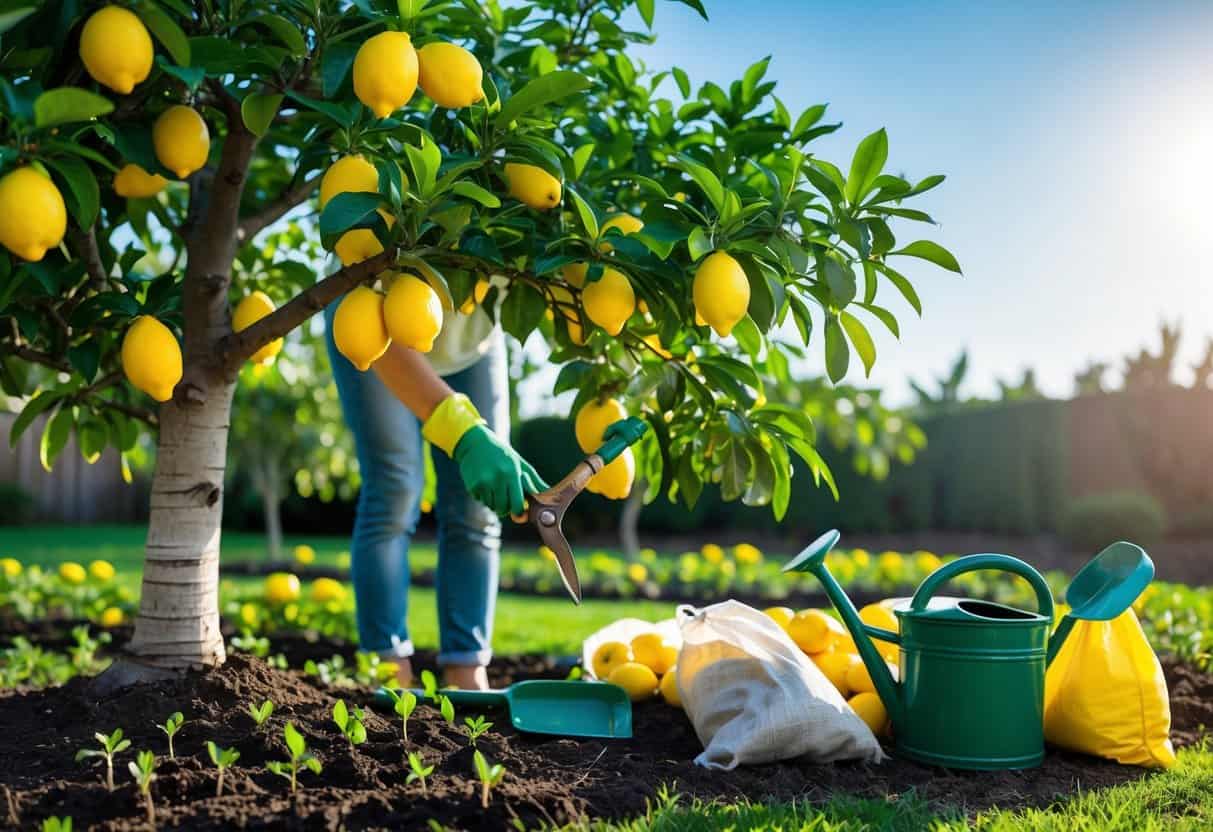
Keeping a lemon tree happy isn’t complicated, but it does need regular attention. Watch your watering, feed it the right fertilizer, and prune as it grows.
These basics go a long way—more fruit, stronger trees, and less trouble whether you’re growing in the ground or a pot.
Watering Needs
Lemon trees want their soil to stay moist, but not soggy. Letting roots sit in water is a fast way to get problems.
Check the soil about 2 inches (5 cm) down. If it feels dry, go ahead and water.
In hot or dry weather, you might need to water every 3–5 days. When it’s cool or humid, once a week is usually enough.
If you’re growing lemons indoors, watch out for dry air. Try setting your pot on a tray of pebbles with water below (but not touching the pot) to boost humidity.
Fertilizer
Lemon trees are hungry, especially when they’re growing fast in spring and summer. Pick an organic, slow-release fertilizer made for citrus—something with an NPK ratio close to 6-3-3 or 5-2-6 works well.
These blends help the tree grow healthy leaves and plenty of fruit. Feed your tree every 4–6 weeks in the growing season.
If you like, seaweed or fish emulsion is a gentle organic liquid feed. It’s especially nice for potted trees or if you want to add trace minerals.
Pruning
Pruning keeps lemon trees healthy and in good shape. The best time is late winter or early spring, before new growth starts.
Try to keep the center of your tree a bit open, almost like a vase. That way, air and sunlight can reach every leaf. It’s a simple trick that helps keep pests and diseases away, and it lets your tree focus on fruit.
Lemon Problems And How To Fix Them
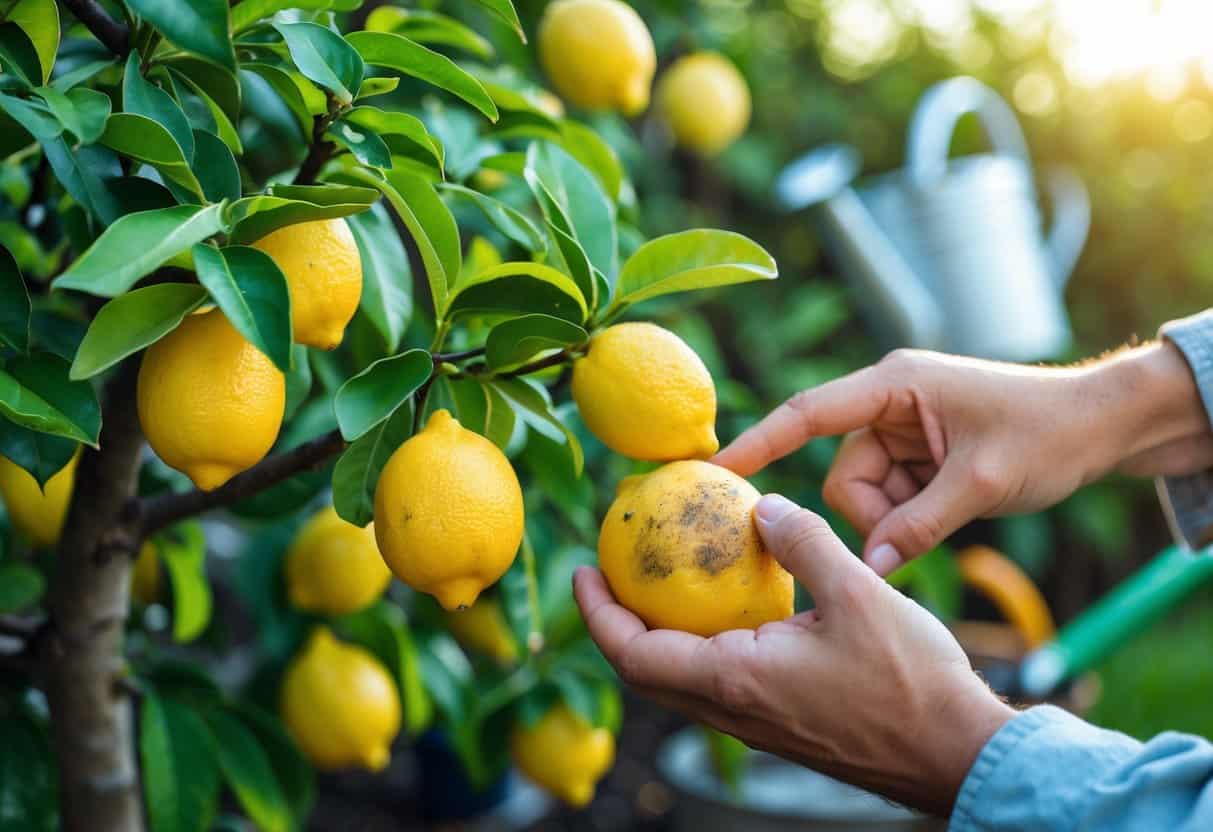
Lemon trees can run into issues with insects, diseases, or just slow growth. Catching problems early is the best way to keep your tree happy.
Pests
Lemon trees attract a few specific pests that can cause trouble. Some bugs are tiny and sneaky, so check your leaves and stems often.
Aphids
Symptoms: Sticky leaves, curled edges, and small green or black bugs on new shoots.
Solution: Spray with a strong jet of water or use insecticidal soap. Ladybugs are great allies if you can attract them.
Scale Insects
Symptoms: Little round bumps on stems or under leaves, plus sticky sap.
Solution: Wipe them off with a soapy cloth, or use horticultural oil if they’re stubborn.
Leaf Miners
Symptoms: Silvery, winding trails inside leaves and some yellowing.
Solution: Snip out affected leaves and use neem oil early on.
Caterpillars
Symptoms: Chewed leaves and tiny brown droppings.
Solution: Pick them off by hand. If things get out of control, try Bacillus thuringiensis (Bt) - safe and organic-approved
Birds, rats, and possums sometimes snack on ripening lemons—especially in Australia and the US. Netting is a simple fix if you start losing too much fruit.
Diseases
Fungal infections and root rot can hit lemon trees hard. Keeping things airy and avoiding soggy soil are your best defenses.
Root Rot
Symptoms: Wilting, yellow leaves, a sour smell, and mushy roots.
Solution: Improve drainage, let the soil dry between waterings, and trim out any bad roots.
Botrytis (Gray Mold)
Symptoms: Brown, moldy spots on fruit or branches.
Solution: Prune away infected areas, toss fallen leaves and fruit, and use copper-based fungicide if you need to.
Sooty Mold
Symptoms: Black, powdery coating on leaves and stems.
Solution: Get rid of sap-sucking insects (like aphids or scale), then wipe the mold off with a damp cloth.
Canker
Symptoms: Sunken, rough patches or cracks on branches or fruit.
Solution: Prune out the bad wood with clean tools, and avoid watering from above.
Spot Fix Plant Problems
After rainy spells, check for fungus.
Mulching helps keep soil from splashing up on the trunk, which can spread spores.
Growing Problems
If your lemon tree isn’t thriving, it’s often a sign of missing nutrients or something off in its care. Look for these clues and act early.
Yellow Leaves
Symptoms: Leaves turn yellow, sometimes with green veins.
Solution: Use a citrus fertilizer high in nitrogen and magnesium in spring. Watch your watering, too.
No Fruit
Symptoms: The tree flowers but doesn’t set fruit.
Solution: Make sure it’s getting full sun, shelter it from wind and cold, and feed it regularly.
Leaf Drop
Symptoms: Leaves suddenly fall off, often after moving indoors.
Solution: Boost light if you can, avoid big temperature jumps, and remove fruit so the plant can recover.
Slow Growth
Symptoms: Barely any new growth, small pale leaves.
Solution: Check the roots for disease, feed with a balanced citrus fertilizer, and make sure the tree isn’t root-bound in its pot.
Lemon trees need steady humidity, sunshine, and nutrients to keep going strong. Keep an eye out, and you’ll usually catch issues before they get out of hand.
Harvesting Lemons
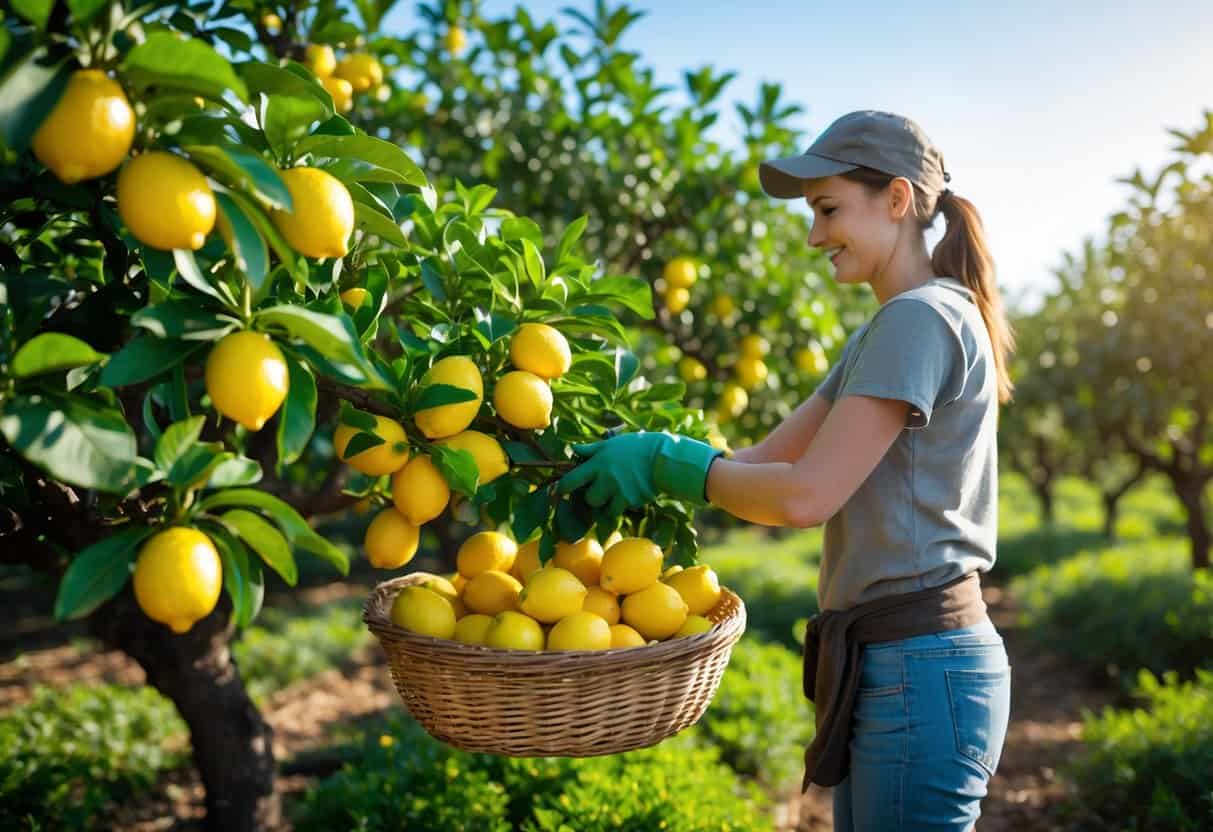
Lemons let you know they’re ready by turning yellow and feeling firm and plump. Picking at the right time means better flavor and more fruit down the line.
When To Harvest
You’ll know lemons are ready when they shift from green to a bright yellow or sometimes yellow-green, depending on the variety. The skin should be smooth and the fruit should feel firm and heavy.
Most lemons are best at about 2 to 3 inches (5–7.5 cm) across. Depending on your climate, they usually ripen from late winter through early summer.
In warm places, lemon trees might give you fruit twice a year or more. Lemons don’t ripen much after picking, so wait for that full color change.
Check your fruit every week as it gets close. Overripe lemons lose sweetness and can go puffy or dry.
Signs to Harvest:
• Skin is bright yellow (or yellow-green for some types)
• Fruit feels firm and heavy
• Lemons come off easily with a gentle twist
How To Harvest
Take lemons off the tree gently—don’t yank or tear. Grip the lemon and twist it until it pops free.
If it won’t budge, use clean garden scissors or pruners to snip the stem close to the fruit. Try not to bruise or cut the lemons.
Only pick what you’ll use soon. Lemons will stay fresher if you leave them on the tree until you need them.
Storing Lemons
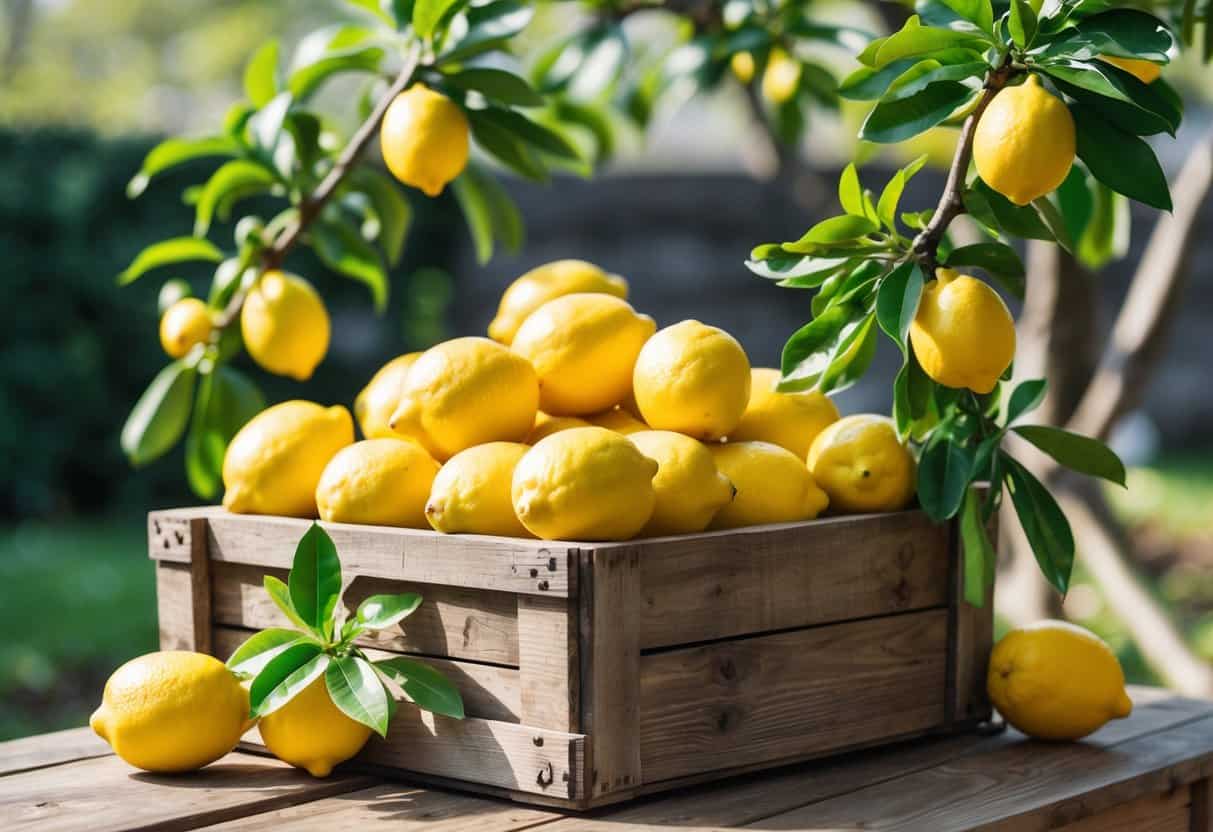
Once you’ve picked your lemons, you’ll want to keep them fresh as long as you can. Lemons can spoil quickly if left out on the counter or exposed to air.
There are a few ways to store lemons at home, depending on how fast you use them.
Airtight Container in the Refrigerator
Lasts up to a month.
Great for keeping whole lemons juicy and ready for anything.
Sealed Plastic Bag in the Refrigerator
Also lasts about a month.
Good if you’ve got a lot of lemons and not enough containers. It keeps them from drying out.
Room Temperature (Not Recommended)
Only 1–2 weeks.
Fine if you use lemons fast, but they’ll dry out sooner.
Freezing Lemon Juice or Zest
Juice lasts up to 4 months, zest up to 3.
Perfect for baking, drinks, or if you have way too many lemons at once.
Dehydrating Zest
Keeps up to a year if airtight.
Nice for adding a punch to muffins, sauces, or spice mixes.
Preservation Tips
Always wash lemons before storing.
For freezing, use ice cube trays for easy portions.
Label everything with the date—trust me, it helps.
Don’t leave cut lemons sitting out—they dry out fast.
Store lemons right, and you’ll get that homegrown flavor for weeks, maybe even months, after harvest.
Benefits and Uses of Lemons
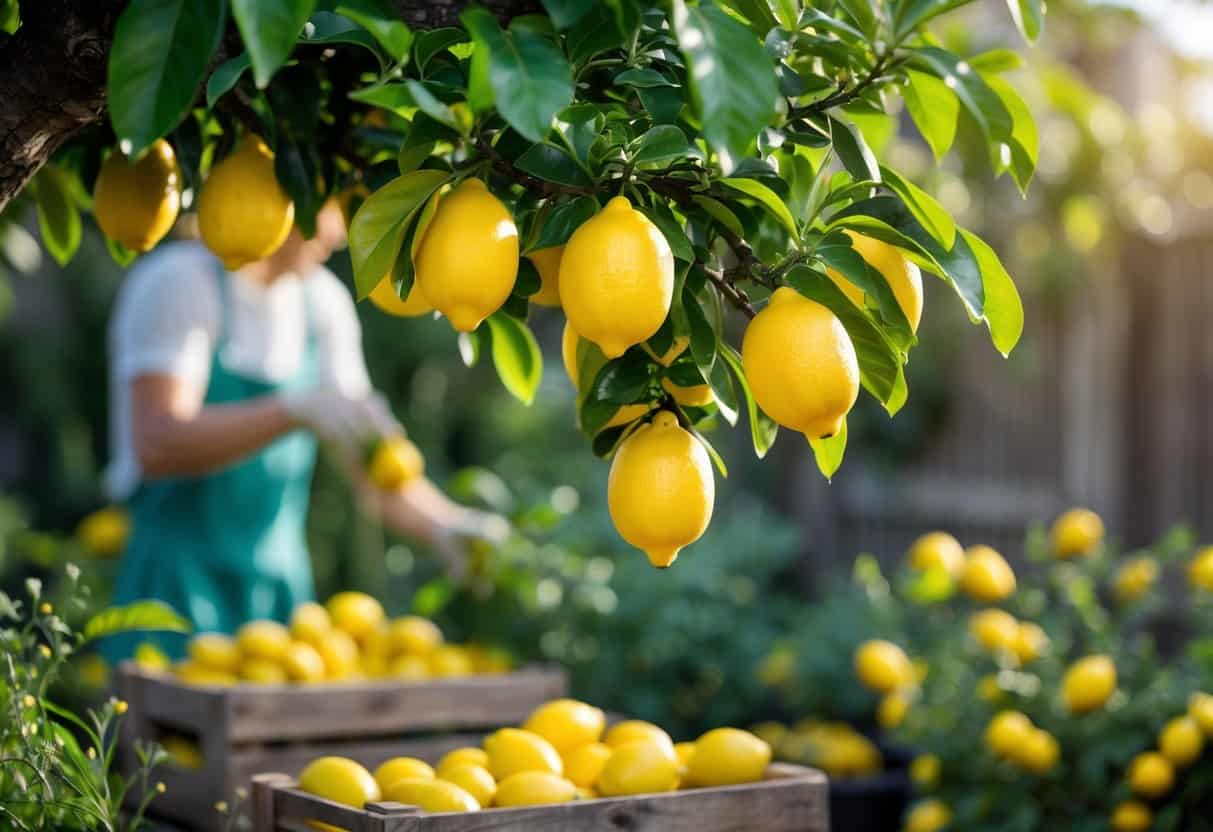
Lemons are so much more than just juice. Their zest, scent, and bright flavor bring a fresh kick to food and even homemade cleaning products.
Cooking With Lemons
You can toss lemons into drinks, desserts, or savory dishes. Fresh lemon juice lifts up salad dressings, marinades, and sauces for fish or chicken.
Lemon zest packs a punch of citrus flavor in baked goods, and you don’t even have to add more liquid. In Mediterranean and Southeast Asian cooking, both the juice and zest often show up for extra aroma and depth.
Slice lemons for water or tea—it’s an instant upgrade. Try freezing lemon slices to use instead of ice cubes; they keep drinks cool and add a gentle lemon hint.
You can also preserve lemons by salting and aging them in jars. This method creates a tangy ingredient that pops up in plenty of Middle Eastern recipes.
Lemon works well with herbs like mint, parsley, and thyme. It’s great for balancing out salty, spicy, or oily flavors.
Store fresh lemons at room temperature for about a week. For longer storage, pop them in the fridge and they’ll last up to a month.
Family Recipes
Lemons find their way into everyday meals and special desserts at home. Here are a few favorites worth trying:
Classic Lemon Bars
Tangy filling on a buttery crust. They’re simple to make and always a hit at gatherings.
Lemon Roast Chicken
Stuff chicken with lemon halves and herbs. The result? Juicy, fragrant meat every time.
Aussie Lemon Slice
A no-bake Australian treat—crushed biscuits, coconut, and condensed milk come together under a sweet-tart lemon icing.
Homemade Lemonade
Mix up fresh lemon juice, water, and sugar. It’s classic, refreshing, and just right for hot days.
Lemon Myrtle Syrup Cake
A light, zesty cake featuring native Australian lemon myrtle plus fresh lemon juice.
If you want a brighter salad, swap out the vinegar in your dressing for lemon juice. It’s a small change, but the flavor really pops.
Growing lemons takes patience and regular care. Each step is rewarding in its own way.
Watching seeds or young trees turn into healthy plants is pretty satisfying. Eventually, you’ll spot bright fruit among the leaves—always a nice surprise.
Lemon trees really do their own thing, growing at their own pace. Some days, it feels like nothing’s happening, but then you notice a new leaf or maybe your first flower.
It’s fun to share progress with friends or family. Swapping recipes or gardening tips makes the whole process more enjoyable.
Honestly, every lemon you pick is a little badge of pride. It’s proof of your patience and care.
Frequently Asked Questions
Lemon trees are best started from grafted plants, which produce fruit faster and more reliably than seedlings. That said, you can grow lemon trees from seed — it’s a fun project, especially for home gardeners.
Just keep in mind that seed-grown trees take much longer to mature (often 5–10 years), and they may not produce fruit that’s true to the original lemon. Still, if you're patient and curious, it’s a great way to learn and enjoy the process.
What steps should I follow to successfully grow lemon trees from seeds?
Pick seeds from a fresh, organic lemon. Rinse off the pulp and let them dry for a few hours.
Plant each seed about half an inch (1.2 cm) deep in a small pot with moist, well-draining mix. Keep the pot in a warm spot with indirect light.
Mist the soil to keep it damp, but not soaked. Sprouts usually show up in two to four weeks.
Once the seedlings have a few leaves, move them to a brighter area. That’s when they really start to take off.
Can you provide tips for cultivating lemons in containers?
Start with a large pot that has drainage holes. Use a citrus mix or add sand to regular potting soil for better drainage.
Put your lemon tree where it’ll get at least 6-8 hours of sunlight daily. Water when the top inch (2.5 cm) of soil feels dry.
Feed with citrus fertilizer during the growing season. Give the pot a turn every couple of weeks so all sides catch some sun.
Is there a special technique for germinating lemon seeds effectively?
Soak your lemon seeds in warm water overnight. This helps soften them up and gets things moving.
If you’ve got a minute, try peeling off the thin, outer layer from each seed. It’s a little fiddly but can make them sprout faster.
Once you’ve planted the seeds, cover the pot with clear plastic wrap to keep in warmth and moisture. Just remember to pull the cover off each day for a bit—otherwise, you might end up with mold.
When you spot sprouts, ditch the plastic and move the pot somewhere with bright, indirect light. That’s when things start to get interesting.
Wrap Up